
Dieters are frequently encouraged to eat until they are content or full. However, the problem is that different foods have highly diverse effects on appetite and fullness levels. For example, 200 calories of the chicken breast may be enough to satisfy you, yet 500 calories of the cake may not be enough to please you. Therefore, losing weight requires more than just eating till you’re satisfied to be effective. It all boils down to eating the right things in the right proportions to keep you satisfied while consuming the fewest number of calories possible to achieve your weight loss goals.

45+ Foods You Can Eat a Lot of and Still Not Gain Weight
What Food Can Do to Make You Feel Satisfied
When it comes to food, there are several variables that determine its satiety value, or how satisfying it is in relation to its calorie count. The calorie/satiety ratio is calculated using a scale based on the satiety index. It assesses a food’s ability to fill you up, keep your hunger at bay, and encourage you to consume fewer calories throughout the day. Some foods are simply superior to others when it comes to satisfying hunger and preventing overeating.

What Food Can Do to Make You Feel Satisfied
Characteristics Of A Properly Prepared Meal
Foods that are filling have the following characteristics:
- High volume: Studies suggest that the amount of food consumed has a large impact on satiety. Foods with a lot of water or air have their volume raised without adding calories.
- High protein: Studies demonstrate that protein is more fulfilling than carbs and fat. In comparison to low-protein diets, protein-rich diets induce satiety and result in decreased overall calorie consumption.
- Fiber offers weight to your meals and makes you feel satiated. It also causes you to feel fuller for extended periods of time by slowing the transit of food through your digestive tract.
- Low energy density: When a food’s calorie content is low in relation to its weight, it’s said to have a low energy density. Foods having a low energy density may help you feel full while ingesting fewer calories.
Without further ado, here are some meals that you may eat without worrying about your weight!

Characteristics Of A Properly Prepared Meal
Oatmeal
Oatmeal, which is a hot cereal or porridge, is traditionally offered for breakfast. Despite the fact that it’s pretty full, it only ranks third on the satiety scale. The high fiber content and capacity to absorb water making it a popular breakfast option because of these factors.

Oatmeal
What The Research Says About Oatmeal
By increasing insulin synthesis, beta-glucan, a soluble fiber found in oats, improves digestion and glucose absorption while decreasing cholesterol levels. When compared to ready-to-eat breakfast cereals, the researchers discovered that oatmeal was more effective at suppressing appetite, increasing fullness, and lowering calorie intake throughout the day.

What The Research Says About Oatmeal
The Final Word On Oatmeal
Because it is high in fiber and absorbs a large amount of water, oatmeal is a very satisfying food. It can help you feel filled for longer periods of time than standard breakfast cereals, allowing you to eat less throughout the day. It’s excellent for both a “heavy” breakfast and a light dinner, depending on your preference.

The Final Word On Oatmeal
Broth-Based Soups
Solid foods are frequently believed to be more filling than liquid foods. Alternatively, a recent study found that soups may be more full than solid meals with the same ingredients. Several studies have found that when the soup is served first, participants consume 20 percent fewer calories overall at the dinner table. Following the findings of several research, it has been discovered that eating soup on a daily basis can help you lose weight by decreasing your caloric intake while simultaneously improving your satiety.

Broth-Based Soups
Observations On Broth-Based Soups Based On Research
When compared to soups made with cream, broth-based soups often offer fewer calories per serving. Consider the following: broth-based soups are a healthier alternative to cream-based soups if you’re trying to cut back on calories.

Observations On Broth-Based Soups Based On Research
Finally, The Final Word On Broth-Based Soups
Soups are filling and keep you full for a long time. Soup at the beginning of a meal can help you feel fuller longer, cut your calorie consumption, and lose weight over time. In addition, who can say no to soups made with chicken broth? The best part is that they are not only filling but also delicious!

Finally, The Final Word On Broth-Based Soups
Legumes
Fiber and protein content in legumes, such as beans, peas, and lentils, are well-known benefits of these foods. This, combined with the fact that they have a low energy density, makes them a satisfying snack that may even aid in weight loss in some individuals.

Legumes
What The Research Says About Legumes
Studies have discovered that beans, peas, chickpeas, and lentils are 31 percent more filling than pasta and bread. Aside from that, legumes are rich in nutrients such as folate, potassium, iron, and magnesium, as well as being low in fat and cholesterol. As well as being high in fiber, they also contain beneficial lipids and are low in fat. Beans, which are high in protein and low in fat and cholesterol, can be a nutritious alternative to meat, which is high in fat and cholesterol.

What The Research Says About Legumes
The Final Say On Legumes
Because of their high protein and fiber content, legumes are a very satisfying food. They’re also low in calories, making them a terrific choice for anyone wanting to lose weight or maintain a healthy weight. They’re also quite tasty, to boot! They can be consumed at any location and at any time!

The Final Say On Legumes
Apples
Fruits are an important part of a healthy, well-balanced nutritional plan. A number of research studies have found that eating fruit is associated with lower calorie intake, which may ultimately aid in weight loss over the long term. Apples, for example, have a high satiety index compared to other fruits. Apples include pectin, a soluble fiber that aids in the feeling of fullness by naturally delaying the digestion process. Also, because they contain more than 85 percent water, they provide additional volume and satiation without adding calories.

Apples
What The Research Says About Apples
The fact that eating full, solid fruit rather than puréed or juiced fruit, which is less filling, promotes satiety should not be overlooked either. One study looked into the effect of eating solid apple segments, applesauce, or apple juice at the beginning of a meal on blood glucose levels. According to the findings of the study, participants who ingested solid apple segments consumed 91 fewer calories than those who consumed apple sauce and 150 fewer calories than those who consumed apple juice. When compared to other fruits, eating apple segments resulted in a greater sense of fullness and a decreased desire to eat more food.

What The Research Says About Apples
The Final Say On Apples
Apples are high in water and soluble fiber, and they have few calories compared to other fruits. Consuming whole, solid apples may assist you in consuming fewer calories and losing weight over a longer period of time. Furthermore, apples are a delectable “dessert” after a hearty dinner! What more could you possibly want? They’re sweet, nutritious, and absolutely tasty.

The Final Say On Apples
Citrus Fruits
Citrus fruits, such as apples, are high in pectin, a type of fiber that can help with digestion and make you feel fuller for longer. They also contain a significant amount of water. Oranges and grapefruits are both high in water content, thus they can provide a substantial amount of filling nutrition while being low in calories. Grapefruit has long been considered to be beneficial for weight loss. An obese individual who consumed grapefruit lost much more weight than an obese person who consumed a placebo, according to one study. According to the results of another study, consuming half a grapefruit at mealtimes three times a day for six weeks resulted in modest weight loss and a considerable reduction in waist circumference.

Citrus Fruits
What The Research Says About Citrus Fruits
When combined with calorie restriction, eating grapefruit or grapefruit juice before meals result in a 7.1 percent weight loss, as well as a significant reduction in body fat and circumference. However, these results could not be attributed to grapefruit alone, as consuming water before meals produced results that were similar to those obtained with grapefruit.

What The Research Says About Citrus Fruits
The Final Say On Citrus Fruits
Citrus fruits, such as oranges and grapefruit, are also known to help in weight loss. They’re heavy in fiber and water, which may help you feel fuller for longer periods of time and consume fewer calories. They’re also sweet and tasty when eaten immediately after a meal, much like apples are!

The Final Say On Citrus Fruits
Fish
Fish that are high in omega-3 fatty acids may help overweight or obese persons feel more satisfied. They also include a lot of high-quality protein, which is known for keeping you satisfied for a long period of time. Fish, in fact, is ranked second on the satiety index, placing it ahead of all other protein-dense foods in the process.

Fish
What The Research Says About Fish
According to one study, fish had a significantly larger effect on satiety than either chicken or beef. In another study, it was shown that participants who ate fish consumed 11 percent fewer calories at their next meal than persons who consumed beef, indicating that fish is a healthier option than chicken or beef.

What The Research Says About Fish
The Final Say On Fish
Because fish is high in protein and omega-3 fatty acids, it may help you feel satiated for a longer period of time. Fish, along with chicken and beef, may deliver greater satisfaction than other protein sources, according to some studies. One disadvantage is that you may have to remove all of the fishbones by hand, which can be time-consuming.

The Final Say On Fish
Lean Meats
Lean meats that are high in protein provide a substantial amount of calories. As a matter of fact, when compared to low-protein diets, higher-protein diets lead to a reduction in total calories consumed. The results of one study showed that participants who had a high-protein meat lunch consumed 12 percent less food at supper than those who had eaten a high-carb dinner.

Lean Meats
What The Research Says About Lean Meat
On the satiety index, beef came in second place out of all protein-rich foods; however, other lean meats such as chicken and pigs are also beneficial for weight loss. Lean meats, on the other hand, are high in protein and low in calories when compared to non-lean beef and pork.

What the Research Says About Lean Meat
The Final Say On Lean Meats
People who follow low-calorie, low-fat diets choose lean meats since they have fewer calories and fat. Poultry is high in selenium, vitamins B3 and B6, and choline, among other nutrients. They’re not only filling, but they’re also high in protein content. It is possible that each meal with high-protein lean meat will help you consume fewer calories at the following meals.

The Final Say On Lean Meats
Cottage Cheese
Cottage cheese is low in calories yet high in protein, making it a good choice for dieters. Minerals such as B vitamins, calcium, phosphorus, and selenium are contained in them, as well as B vitamins. Because of these characteristics, cottage cheese is considered a weight-loss-friendly food, which is why so many individuals eat it on a regular basis.

Cottage Cheese
What The Research Says About Cottage Cheese
Cottage cheese is a mild-flavored curd cheese with a smooth texture and a mild flavor. There is a lot of protein in this cuisine. It also has a lot of vitamins and minerals like calcium, selenium, and phosphorus. Cottage cheese is one of the most effective foods you can consume if you’re trying to shed weight or gain muscle strength.

What The Research Says About Cottage Cheese
The Final Say On Cottage Cheese
Cottage cheese is a low-calorie, high-protein food that is rich in calcium. It is possible that it has a satiety effect comparable to that of eggs. When you’ve had your fill of eggs and are looking for a substitute that has roughly the same characteristics as eggs, cottage cheese is a fantastic choice.

The Final Say on Cottage Cheese
Vegetables
A great volume of vegetables is consumed but just a small number of calories are consumed. They also have a high concentration of essential nutrients and plant components, making them a crucial component of a balanced diet. They’re also high in water and fiber, both of which contribute to a sensation of satiety after eating them.

Vegetables
What Research Says About Vegetables
In studies, salads have been shown to help with hunger satiation, especially when ingested before a meal. Those who ate a salad before a meal consumed 7–12 percent fewer calories throughout the meal, according to one research study. According to another study, eating a salad before the main course increased vegetable consumption by 23 percent when compared to eating it after the main course, according to the findings. Avoid high-calorie items and dressings in order to keep your salad’s calorie count under control.

What Research Says About Vegetables
The Final Say On Vegetables
Water and fiber-rich vegetables may help you feel satiated for extended periods of time since they are high in water and fiber. Salads with few calories can encourage you to consume more vegetables while simultaneously lowering your calorie intake. Furthermore, everyone is aware that eating vegetables is helpful to one’s health in several ways. It’s always a good idea to eat vegetables.

The Final Say on Vegetables
Popcorn
Popcorn is a whole grain that has far more fiber than many other foods. In addition, it has a huge volume, so even if it contains few calories, it takes up a lot of space in the stomach. According to studies, popcorn has a greater capacity to fill you up than other popular foods such as potato chips.

Popcorn
What The Research Says About Popcorn
Popcorn that has been air-popped is the healthiest sort of popcorn. It is possible that commercially produced popcorn, especially popcorn that has been microwaved, contains high levels of calories and potentially dangerous substances. Avoid adding a lot of fat to your popcorn if you want to cut the calories to a bare minimum.

What the Research Says About Popcorn
The Final Say On Popcorn
Despite the fact that popcorn is a complete grain, it is high in fiber and volume, thus it leaves you feeling satiated. It has been demonstrated in research that popcorn is more filling than potato chips. Popcorn is also really entertaining to consume! When it comes to watching movies, this is especially true! Consuming food while watching a movie is more fun when you aren’t concerned about gaining weight.

The Final Say on Popcorn
There Are Certain Things We Can Learn From These Foods.
Foods that are filling each have qualities that distinguish them from one another. They may include a significant amount of volume, protein, or fiber, yet they have a low energy density. It is possible that increasing the amount of these foods in your diet will help you lose weight over time. As a whole, if you’re trying to lose weight but aren’t sure where to begin, these foods are a wonderful place to begin.

There Are Certain Things We Can Learn From These Foods.
Broccoli
When your parents instructed you to consume your broccoli, they were absolutely correct! Broccoli is a brassica vegetable, similar to cabbage. It is one of the best green vegetables to add in your diet because of its nutritional value. One broccoli stem contains 4.3 g of protein and 51 calories, according to the USDA. Broccoli contains a high concentration of phytochemicals, making it a powerful anti-cancer food. Aside from the excellent nutrients found in broccoli, such as vitamin C and fiber, it also contains numerous other nutrients. Furthermore, broccoli is a delicious side dish that can be served with any meal.
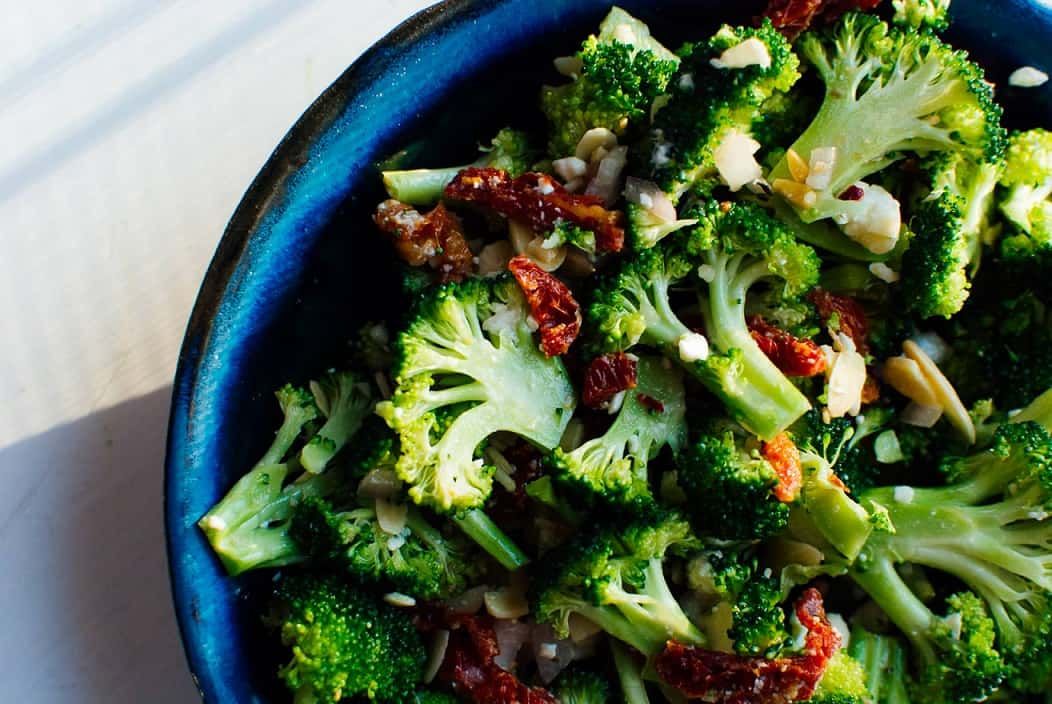
Broccoli
Quinoa
Quinoa is considered to be one of the world’s top superfoods, containing around 8 grams of protein per cup of cooked quinoa. This also contains 27 grams of fiber per cup, which is quite a lot. For vegetarians and vegans, it is a wonderful choice because it provides all of the amino acids that the body is unable to make on its own. Quinoa has a similar appearance to couscous and is quite adaptable, as it can be used in stir-fries, beans, chili, and curries, among other dishes. Quinoa can also be used as a substitute for rice in some recipes.
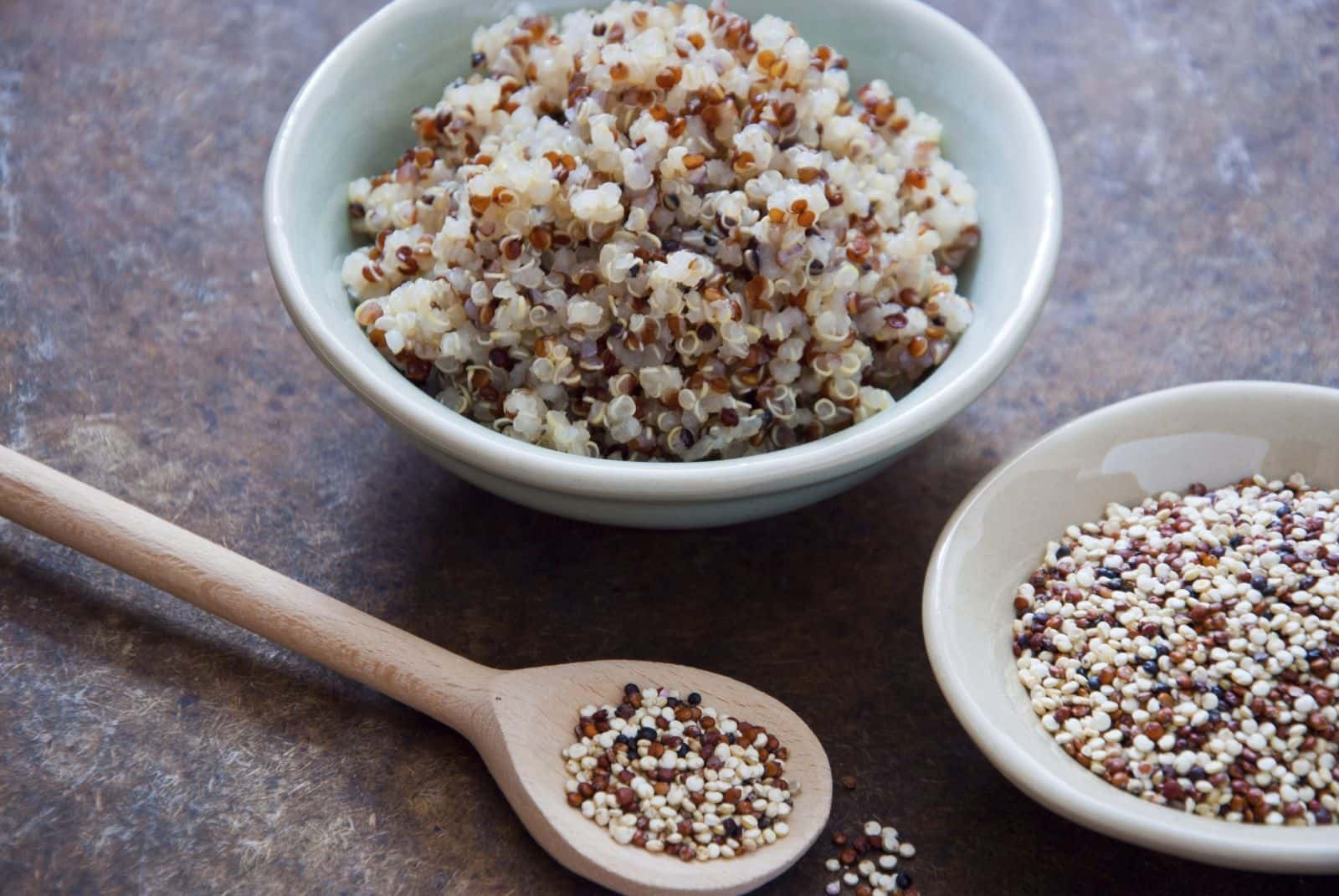
Quinoa
Grilled Salmon
Besides being delicious, salmon provides a plethora of health benefits. Salmon is high in protein, making it a slow-digesting food that keeps you feeling full for a long time. It’s packed with vitamins and minerals that will help to kickstart your metabolism. Salmon can be prepared in a variety of ways, but we recommend grilling it in order to preserve the most nutritional benefits for your overall health. While salmon may be more expensive than other protein sources, it may be used to replace meats that are high in harmful fats and hence hazardous for your cardiovascular health.
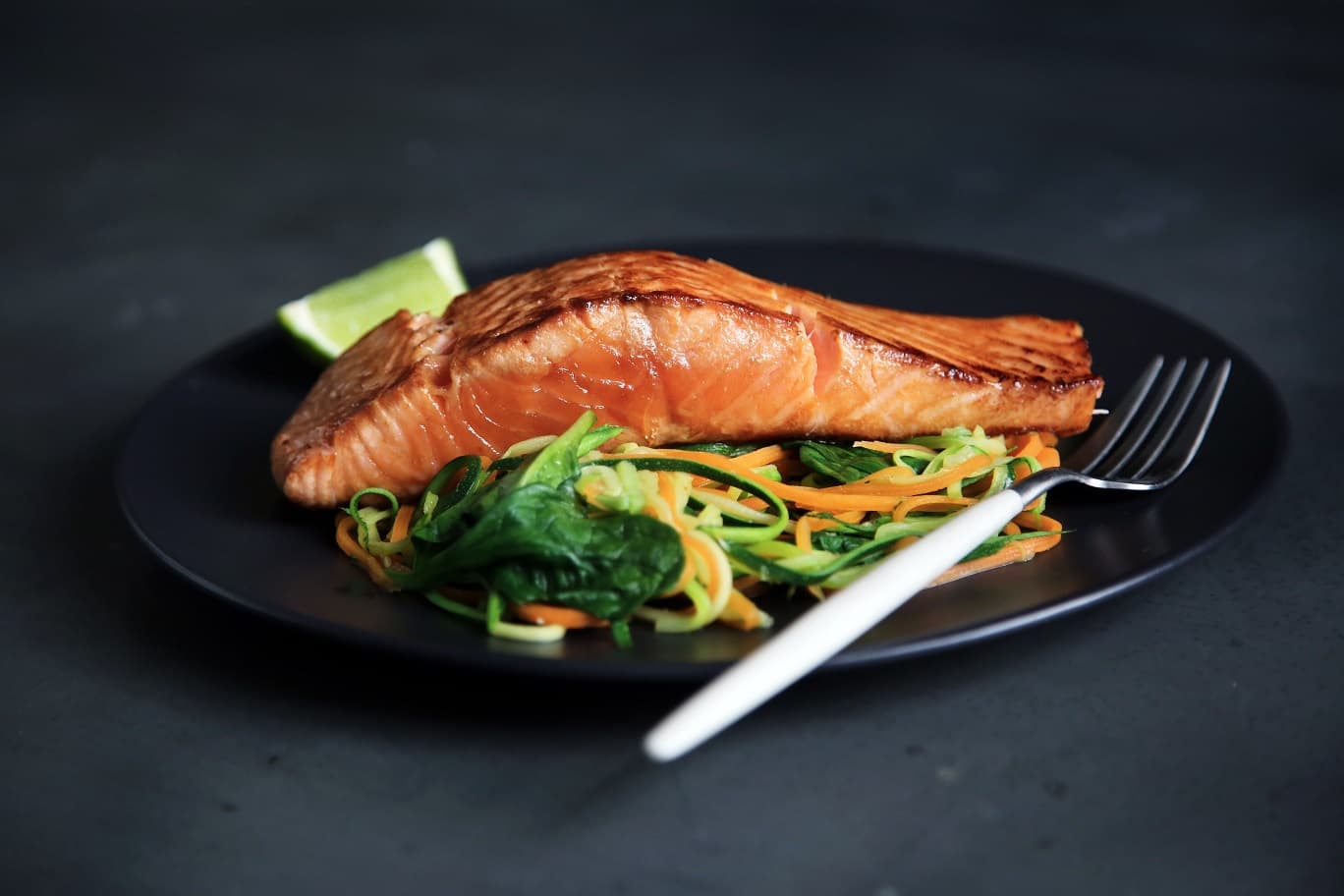
Grilled Salmon
Edamame
The following vegetable should be included in your vegetable rotation if you are serious about growing muscle. This Japanese appetizer is a delicious way to get some protein snacks in your diet. Edamame has around 18 grams of protein per cup of cooked edamame. It also contains a high concentration of minerals and vitamins. If you’re searching for a fun treat to enjoy on a cheat day, consider dipping these tasty bean pods in soy sauce or just adding them to a Japanese-inspired recipe.
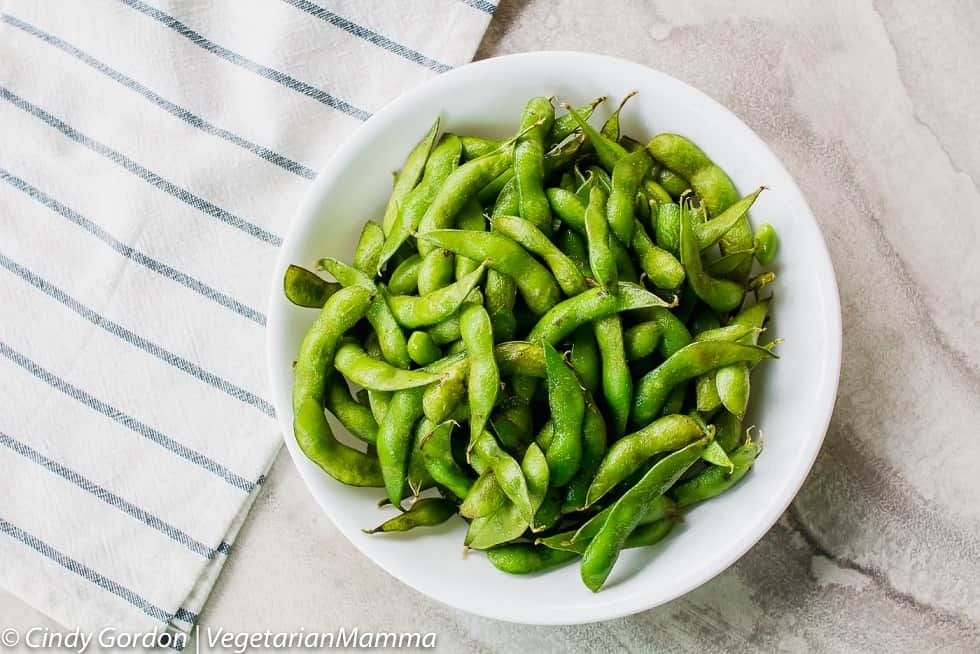
Edamame
Peanuts
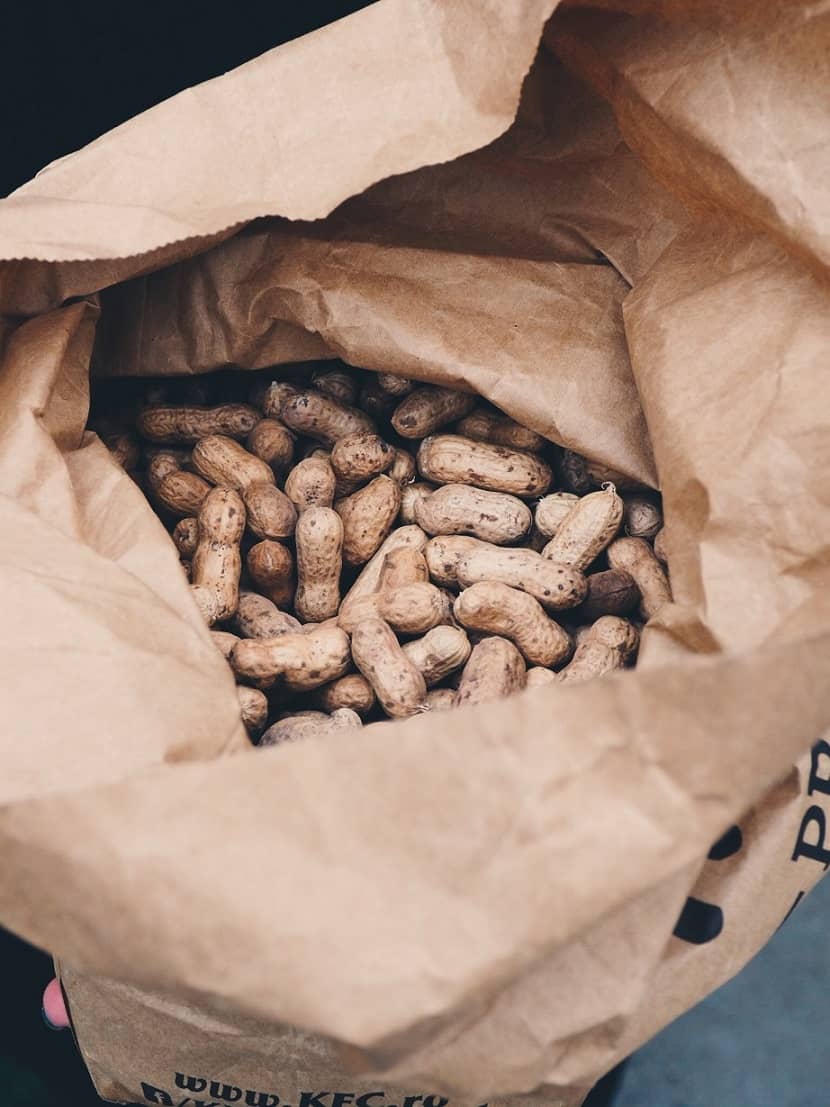
The use of peanuts is a healthy and convenient approach to improve your protein intake. Peanuts include a significant amount of healthful fats, making them more than just a source of protein. Both of these factors ensure that your body remains in a balanced state throughout the day. This can also help to reduce hunger in a short period of time.
Peanuts
Greek Yogurt
Grecian yogurt is a high-protein snack that may be mixed or blended with a wide variety of other ingredients. Greek yogurt provides up to 20 grams of protein per serving, depending on the brand. Traditionally, Greek yogurt is created by separating the whey out of normal yogurt. It enhances the creaminess and richness of the sauce. Additionally, it has healthy fats that, when combined with the protein, assist to keep you feeling full. It is also an excellent source of calcium. Because of the combination of protein and texture in Greek yogurt, you may get a feeling of satiety. However, if you have difficulty controlling your portion sizes, this is beneficial.

Greek Yogurt
Asparagus
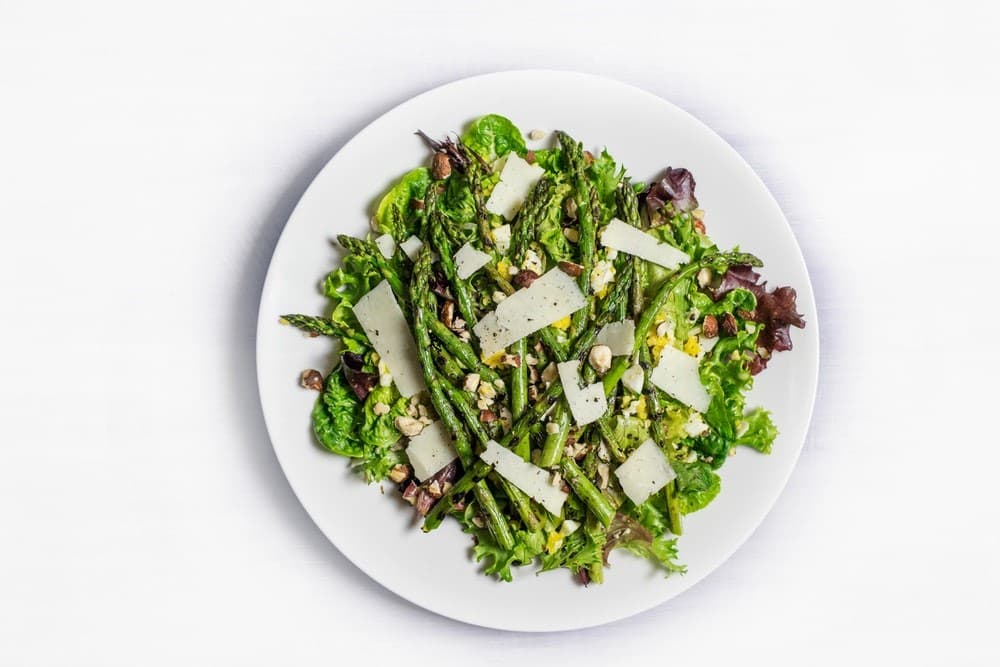
Asparagus is a wonderful accompaniment to any beef dish. It has a distinct flavor and is ideal for cooking in a variety of ways such as steaming, boiling, grilling, or pan-frying— To get the most flavor out of your food, cook or grill it with a little olive oil. There is nothing quite like asparagus on the grill to evoke images of summertime health and fitness. In general, a cup of asparagus includes 3 grams of protein, according to nutrition facts. Also included are vitamins B6, A, and K as well as minerals such as phosphorus and magnesium as well as trace amounts of manganese, copper, and zinc.
Asparagus
Chili Pepper
Despite the fact that spicy foods appear to have more fiber than protein, these chili peppers are a tasty source of protein if you enjoy a bit of spice in your life. One chili pepper can provide as much as 2 grams of protein, depending on the kind. Of course, you may experiment with various spicy foods to help you control your massive appetite, but chilis are a particularly healthy spicy option that provides a substantial amount of protein to add to your meal or hot snack without making you feel bloated. Brightly colored foods also help to keep you fuller for longer periods of time, preventing you from overindulging.

Chili Pepper
Pumpkin Seeds
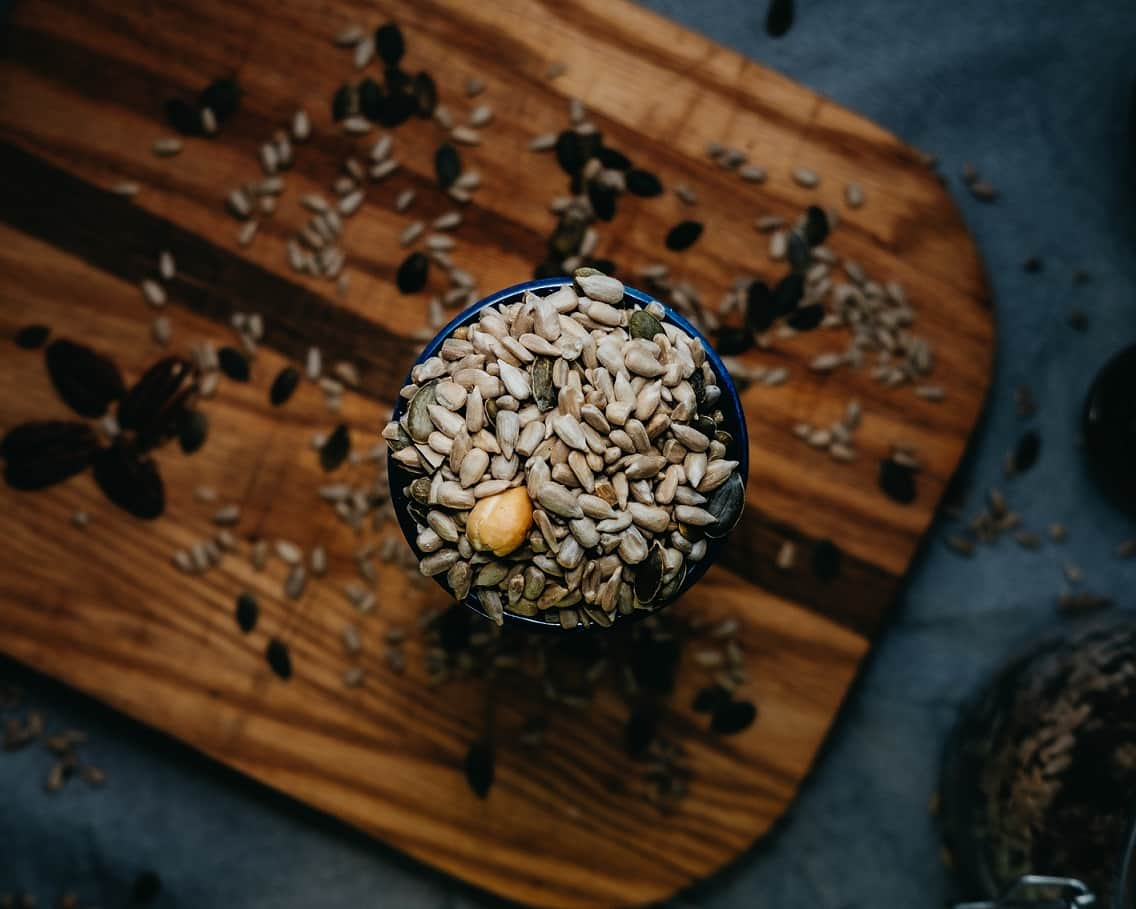
Who doesn’t enjoy a handful of toasted pumpkin seeds on a lazy Sunday afternoon while watching a movie? The discovery of pumpkin seeds as a high-quality protein source has been confirmed. Pumpkin seeds contain 12 grams of protein in a single cup serving. As a snack, pumpkin seeds can be eaten raw, mixed into Greek yogurt, or added to salads, cereals, or soups as a garnish. While you’re carving your pumpkins, take advantage of the health benefits!
Pumpkin Seeds
Whey Protein
Protein consumption is increasing, which is beneficial to your health because protein lowers hunger and keeps you feeling full. Whey protein does not require that you go to the gym in order to reap the benefits of the protein. However, combining whey protein beverages with a little weight lifting is recognized as a rapid fat burner. You may include whey protein in many different cuisines and meals, including soups and salads.

Whey Protein
Artichokes
Artichokes are usually easy to come by in most grocery store aisles. One artichoke has 4 grams of protein in its flesh. Artichokes are considered to be beneficial to the digestive system. They include insoluble fiber, which absorbs water and allows the digestive track to move things around more swiftly than other foods. Serve as a dip, a warm dish, or separately prepare the ingredients.

Screenshot 25
Almonds
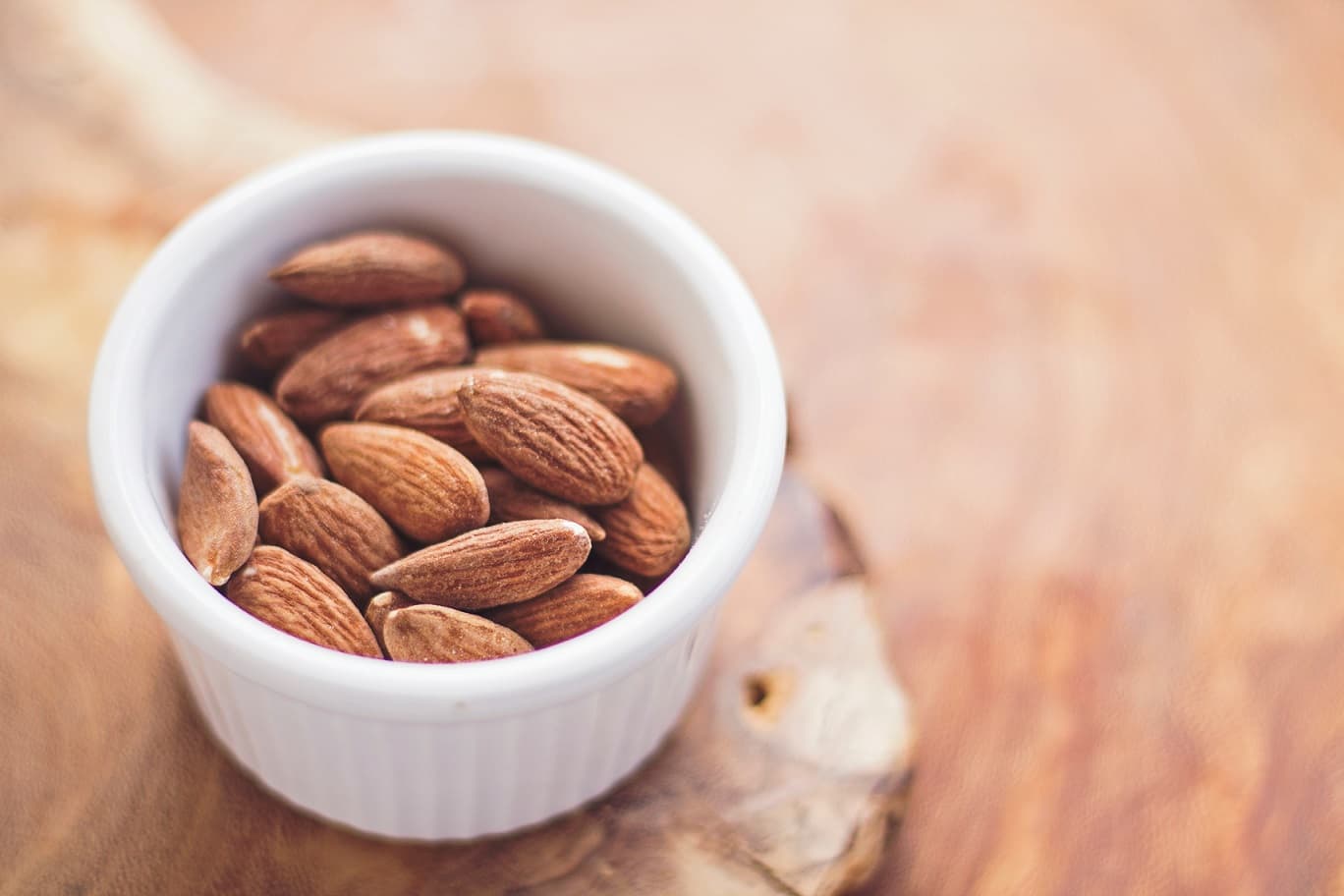
Almonds are a healthy snack that will help you maintain your weight loss goals. Almonds are a fantastic natural source of protein, as well as a source of some critical vitamins. The protein content of ten almonds is around 2.5 grams per serving. These tend to be one of the most fibrous nut options available, and as a result, they are a popular choice when looking for a nutritious snack to fill you up and provide you with an energy boost in the late afternoon.
Almonds
Shrimp
Your appetite for seafood can be satisfied with a nutritious diet that is high in protein and omega-3 fatty acids. Shrimp is a delectable dish that can be prepared in a variety of different ways. It is low in calories, with only 84 calories per serving, and over 90% of those calories come from protein! Shrimp has a protein value of approximately 18 grams per meal when eaten raw. It comes highly recommended!

Shrimp
Kale
Although it is true that kale is not a vegetable that is readily available, it is also true that it is one of the cabbage family’s wealthiest members, and this fact cannot be denied. Your efforts in tracking down this superfood will be more than worthwhile because it includes a high concentration of nutrients that are beneficial to the heart’s overall health. Antioxidants, fiber, and omega-3 fatty acids are among the heart-healthy qualities of this fruit. Because it is low in calories and fat, it is an excellent accompaniment to almost any meal you prepare. According to recent surveys, kale is becoming increasingly popular among millennials, and this age may actually know something that the older generation does not.

Kale
Garlic
Garlic is well-known for its capacity to repel vampires, but few people are aware of its heart-healthy characteristics, which include the potential to lower cholesterol. It is also well-known for its ability to enhance the flavor of many different types of dishes, but few people are aware of its ability to promote the health of the heart. It has proven to be highly efficient in decreasing blood pressure levels. It does this by first preventing plaque accumulation in the artery walls, so preventing blood vessels from becoming constricted. If you don’t care for the taste, you can take it as a pill instead!

Garlic
Sardines
Sardines are not a favorite of many people, and it is said to be an acquired taste. However, there is a very compelling reason why you should begin include this in your diet. First and foremost, this cold fish contains a high concentration of minerals that are beneficial to heart health. It has a high concentration of omega-3 fatty acids, which help to lower blood triglyceride levels, which are damaging to the blood vessels. Additionally, it contributes to the growth in levels of high-density lipoprotein (HDL). Sardines also have the added benefit of reducing inflammation, which is a great health benefit to have.

Sardines
Almonds
A snack that you and your family like is likely to be almonds. But did you know that almonds are rich with nutrients that can assist boost one’s cognitive skills while also decreasing the chance of developing heart disease and diabetes? Even a small handful of this superfood can make a significant difference in lowering cholesterol levels. Additionally, it aids in the prevention of the absorption of dangerous LDL cholesterol and the reduction of the risk of developing heart disease.

Almonds
Pomegranates
Adding pomegranates to your smoothie, shake, or salad is a delicious and healthful way to up the nutritional value of your meal. Its high concentration of antioxidants helps to reduce plaque accumulation in your arterial walls, hence decreasing your risk of developing cardiovascular disease. According to research, pomegranates can also assist to lower the risk of having a stroke, prostate cancer, diabetes, and Alzheimer’s disease, among other things. Furthermore, it is beneficial to the health of your liver, teeth, joints, and skin.

Pomegranates
Avocados
If you haven’t tried eating avocados yet, you’ve probably been living under a rock for the past few years. It has a delicious flavor and can be used in a salad, as a topping on toast, or as a savory dip, among other applications. Was it ever brought to your attention that there are even eateries that specialize solely in avocado products? As this superfood contains a high concentration of antioxidants, monounsaturated fats, and potassium, we are delighted to see that it is becoming increasingly well-known and loved. All of these contribute to lower cholesterol levels, lower risk of cardiovascular disease, and a variety of other heart-healthy benefits.

Avocado
Eggplant
Eggplant is a delicious vegetable that can be prepared in the oven or on the grill with equal success. Not only is it delicious, but it is also packed with flavonoids, antioxidants, vitamins, minerals, and the antioxidant Nasunin. Another reason to include eggplant in your diet is the fact that it offers a variety of health benefits, including lowering cholesterol, boosting blood circulation, preventing blood clots, and generally improving the health of your cardiovascular system. This superfood also aids in the improvement of cognitive function, the prevention of cancer, and the mending of cell membranes that have been damaged.

Eggplant
Figs
This delectable superfruit is also extremely beneficial to your cardiovascular health. Figs, like raisins and dates, are beneficial in helping to keep your heart in good working order. This vegetable is frequently consumed raw or dry, and it contains a significant amount of fiber and calcium. It has been shown to successfully slow the progression of several heart illnesses and to boost heart health in general.

Figs
Mushrooms
Mushrooms are a fantastic meat substitute that both vegetarians and vegans will enjoy using in their cooking. Non-fat, but also high in vitamins, fiber, and minerals, they offer a healthy alternative to fatty foods. Antioxidants, potassium, and copper are also abundant in these vegetables. All of these things contribute to maintaining good heart health. As a result, make sure to properly stock your pantry.

Mushroom
Lemon
Our kitchens don’t always run out of lemons, which is a good thing. If this is also true for you, then feel free to consume it as a beverage or as an ingredient in your food because it contains a significant amount of vitamin C, fiber, and plant chemicals. This superfood has been shown to lower the risk of heart disease and to increase immunity.

Lemon
Cucumber
When it comes to vegetables, cucumber is a low-calorie option that works well with salads and other foods, but it can also be eaten as a snack on its own. Despite the fact that this superfood contains 96 percent water, it can still be a good source of protein, fiber, potassium, magnesium, and vitamins C and K, among other nutrients. All of these vitamins and minerals work together to maintain the body’s overall wellness. Cucumber is also beneficial to the heart because it includes a high concentration of antioxidants.

Cucumber
Barley
Barley is a type of grain that is high in fiber, potassium, and vitamin B6, among other nutrients. Because of its high fiber content, it has the potential to significantly lower cholesterol levels in the body while simultaneously improving heart health. You will almost surely need it if you want to improve your health, but you should keep in mind that it also contains gluten.

Barley
Whole Eggs
Aside from eggs, another meal that has been unfairly maligned is the omelet. For their part, eggs are extremely nutrient-dense and contain a significant amount of a number of essential elements. The yolk of an egg contains the majority of the nutrients as well as nearly half of the protein found in the egg white. Eggs are a complete protein, which means that they contain all nine essential amino acids in the proper proportions. In addition, they are reasonably filling in terms of calories.

Whole Eggs
What Studies Say About Whole Eggs
Many studies have found that eating eggs for breakfast made participants feel more satisfied and allowed them to consume fewer calories throughout the day than eating a bagel for breakfast. Those who ate eggs for breakfast lost more weight and had a lower BMI than those who ate a bagel, according to a study conducted by the American Journal of Clinical Nutrition.

What Studies Say About Whole Eggs
Final Verdict About Whole Eggs
Eggs are a good source of nutrients and high-quality protein, and they are also inexpensive. They may be able to assist you in eating less for up to 36 hours following a meal. You can’t go wrong with eggs if you’re looking for a quick and simple meal.

Final Verdict About Whole Eggs
Boiled Potatoes
Many individuals avoid potatoes while trying to lose weight because of their high carbohydrate content, but this is not a good idea. Compared to other vegetables, whole potatoes are high in vitamins, fiber, and other essential components. In addition, they include resistant starch, which is a form of starch. The calories in conventional starch are half those of resistant starch, and the calories in resistant starch are even lower (2 instead of 4 calories per gram). It has the same effect on you as soluble fiber does in your digestive tract in terms of making you feel full. Incorporating resistant starch into meals to make people feel full results in them indulging in fewer calories.

Boiled Potatoes
What The Research Says About Boiling Potatoes
It is recommended that potatoes be allowed to cool completely after they have been cooked in order to maximize the amount of resistant starch they contain. In fact, research has shown that repeatedly freezing and reheating potatoes increases their ability to reduce appetite. An investigation on the ability of 38 different foods to satisfy hunger discovered that boiling potatoes were the most effective. Boiling potatoes were found to be the most filling of the foods examined. Fried potato chips, on the other hand, were found to be three times less full.

What the Research Says About Boiling Potatoes
The Final Say On Boiling Potatoes
On the satiety index, the highest-ranking food is boiling potatoes, which are high in nutrients. For weight loss, it is not recommended to consume fried potato chips because they are three times less full than baked potatoes chips. So, if you’re on a diet and want to eat potatoes, make sure they’re fully cooked before you consume them.

The Final Say on Boiling Potatoes