
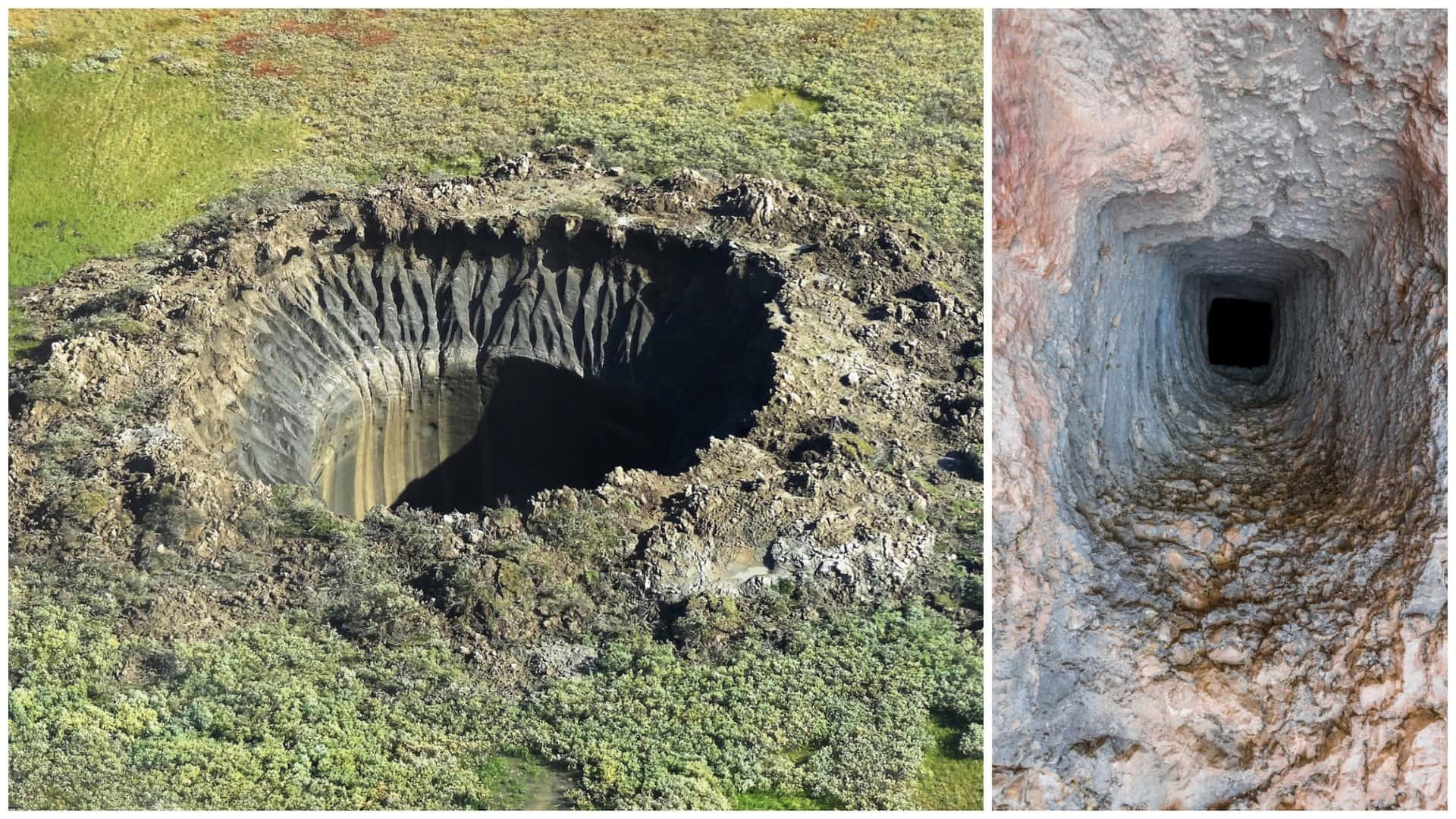
Finding out what the center of our world looks like has always been a question that a lot of us have thought of for years. In fact, there are a lot of films that were made to try and visualize what they think the center of the earth looks like! Of course, a lot of scientists also tried to discover what the center of the world looks like, digging deep into the earth until they no longer could, which leads us to a remote peninsula in northwestern Russia. Scientists have been working on drilling the area towards the planet’s center for decades. The borehole, which is more than 40,000 feet deep, has become known as the deepest man-made hole.
The Real Reason Experts Had To Seal Up The Deepest Hole On The Planet
The Unexpected
Something unexpected happened, throwing their plans into disarray. They appeared to have no choice but to close it permanently. What could have brought such a ferocious search to an end? You’d never guess what the answers are to these questions…

The Unexpected
Above And Below
We are unsurprised to learn that mankind is fascinated by what lies beneath the surface. It’s easy to understand why people are fascinated by the unknown. We have a fascination with the sky as well. We have since learned more about the universe than we have ever known, thanks to the efforts of private companies and international space agencies.
Above And Below
Interesting Discovery
Although the first artificial satellite was launched in 1957, we haven’t looked up at the sky since then. What’s beneath our feet is just as fascinating. In fact, we haven’t even fully explored our own world yet, which is why we’re still trying to discover a lot about our planet.

Interesting Discovery
The Cold War
Some even believe that we know more about space than we do about what exists beneath the earth’s surface. We’re sure you’ve heard about the space race between the United States and the Soviet Union during the Cold War. However, few people are aware of the quest to conquer the underground.
The Cold War
Race To The Depths
Beginning in the late 1950s, American and Soviet scientists began to plan experiments aimed at penetrating the earth’s surface. This is the area of the Earth that stretches up to thirty miles to the planet’s center.
Race To The Depths
The Mantle
The dense shell then gives way to the mantle, an unexplained inner layer. Nearly 40% of the Earth’s mass is contained within this deeper layer. As far as scientists and researchers are concerned, this led to an interesting journey.

The Mantle
Project Mohole
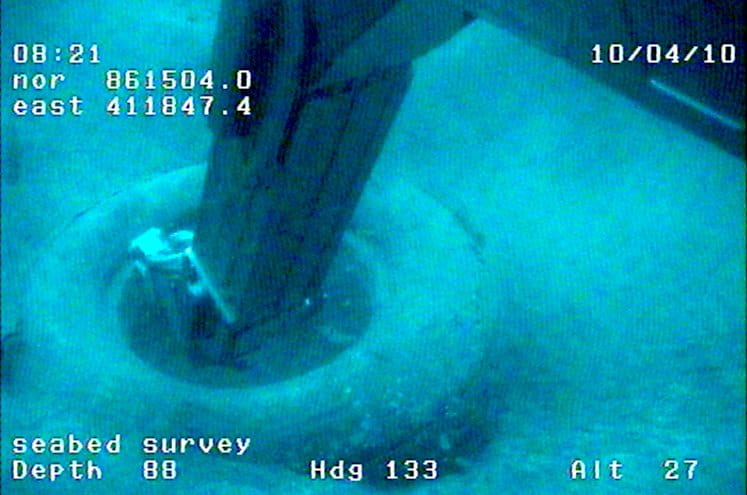
With the launch of Project Mohole in 1958, the United States took the lead. It is close to the Mexican city of Guadalupe. A team of engineers worked on the project, which involved drilling through the Pacific Ocean bed.
Project Mohole
Reaching The Mantle
They were able to reach a depth of more than 600 feet. Project Mohole, on the other hand, was eventually shelved eight years after its funding was cut. The Americans were unsuccessful in their search for the mantle.

Reaching The Mantle
The Soviets
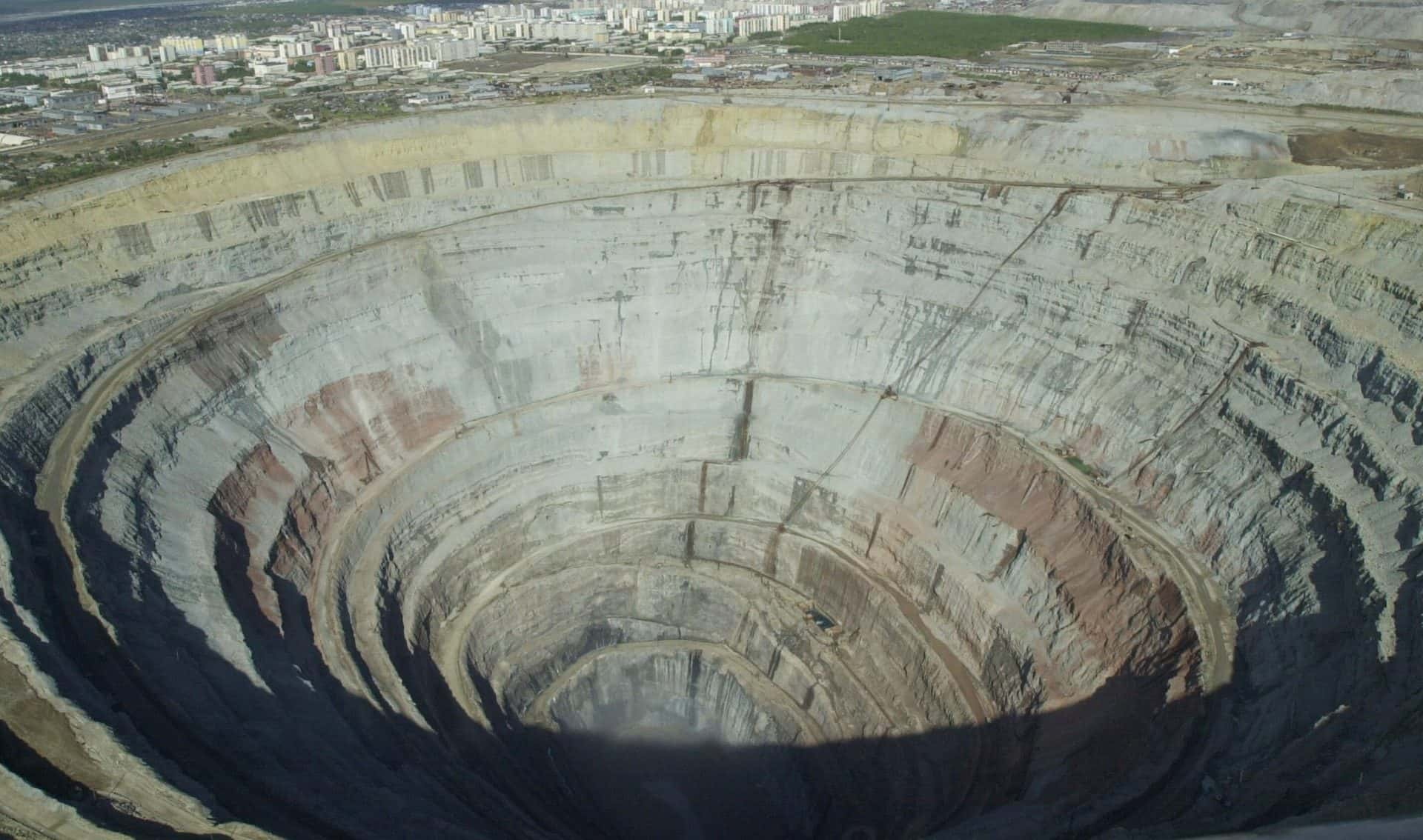
After that, it was up to the Soviets to try their luck. A team of scientists began drilling into the crust beneath the Pechengsky District. It was a different approach than what the original researchers had taken.
The Soviets
Digging Deep
On Russia’s Kola Peninsula, this is a sparsely populated area. The goal was easy to understand. They simply wanted to dig as deep into the crust as much as possible.

Digging Deep
What Their Goal Is
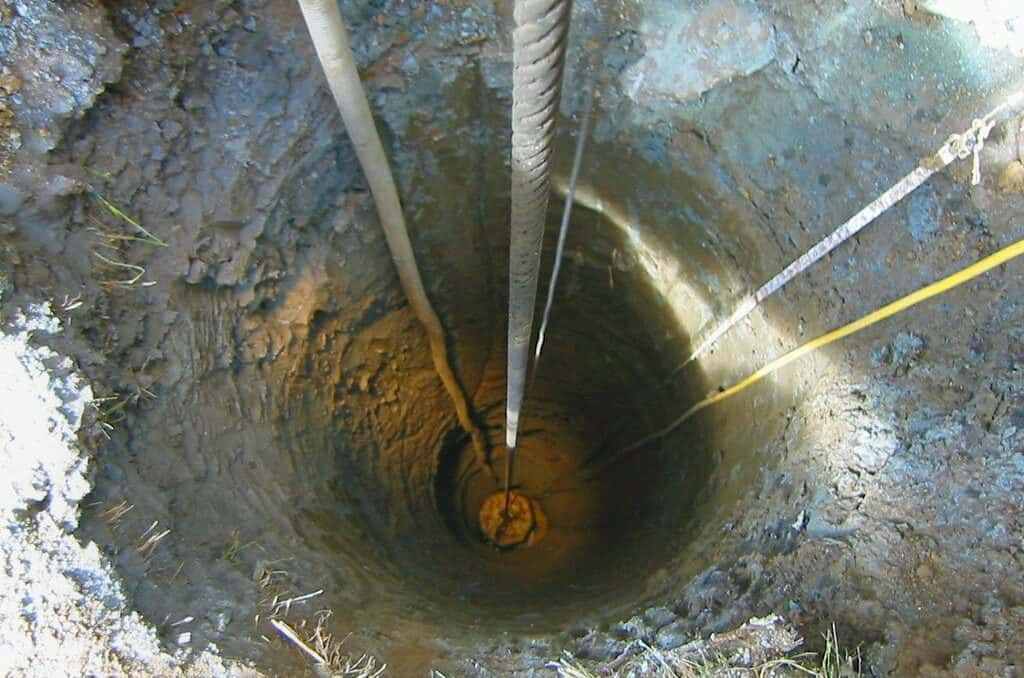
The Soviets also wanted to go as deep as 49,000 feet beneath the Earth’s surface. They began digging a series of boreholes that forked off from a single cavity with the assistance of specialized equipment. American prospectors made their own progress while working on this mission.
What Their Goal Is
Bertha Rogers Hole
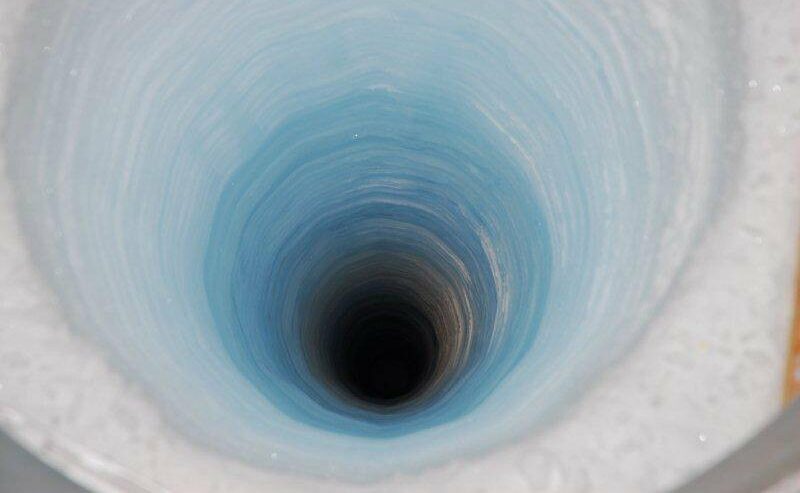
In 1974, the Lone Star Producing Company began oil drilling in western Oklahoma. The firm ended up creating the “Bertha Rogers hole” as a result of their work.
Bertha Rogers Hole
Where Is It Located?
The man-made wonder, which is located in Washita County, is more than 31,400 feet beneath the surface of the planet. That’s a distance of nearly six miles! It was extremely deep!

Where Is It Located?
Breaking The Record
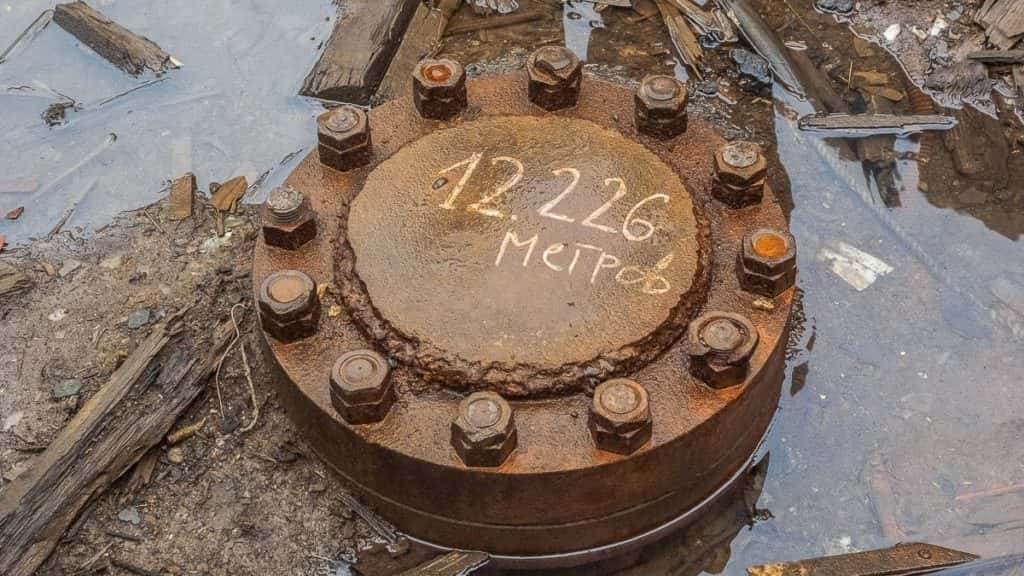
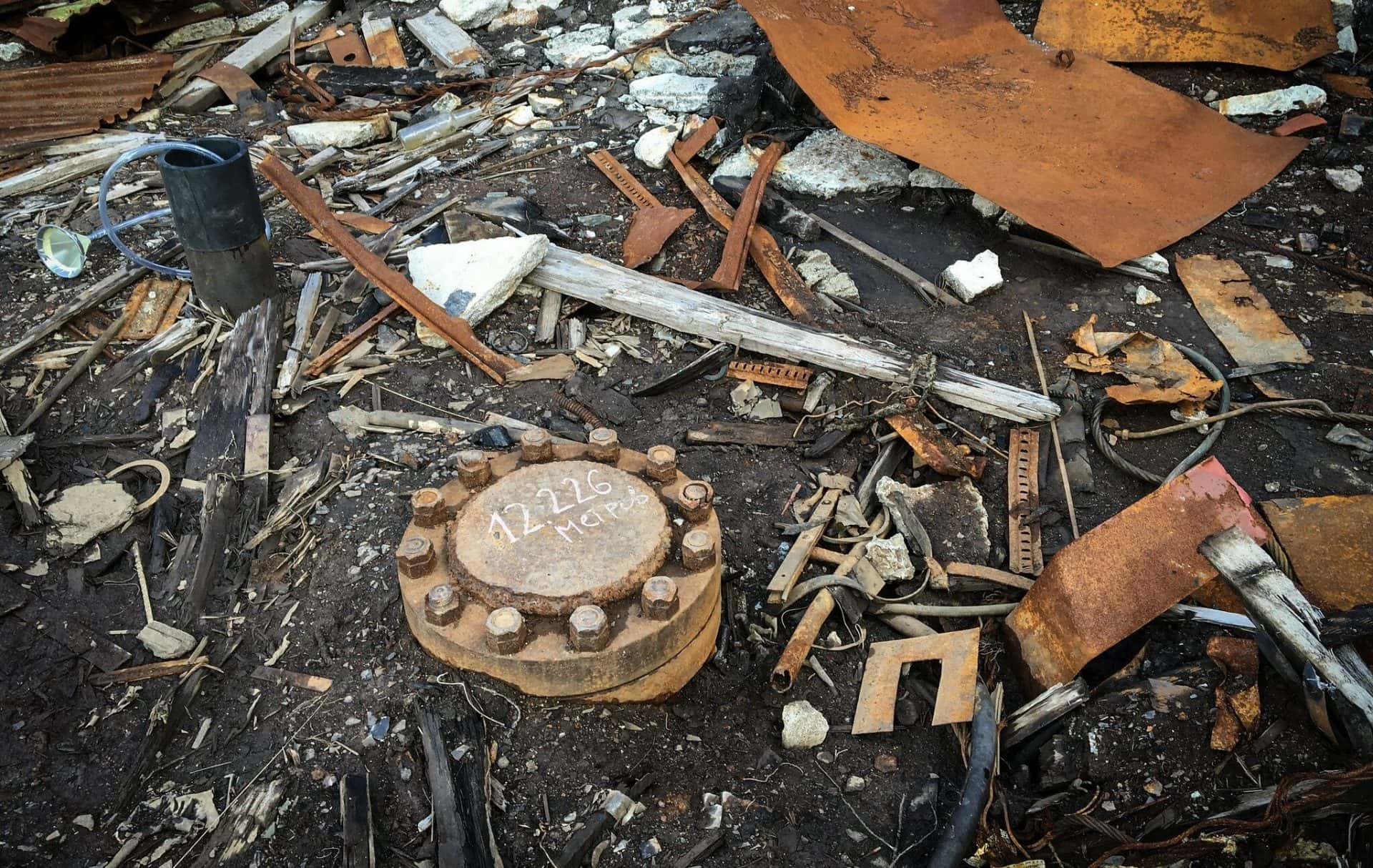
Despite the fact that Lone Star failed to find what it was looking for, it remained the world’s deepest hole for another five years. On June 6, 1979, one of the Kola boreholes known as SG-3 broke the record. By 1983, the nine-inch-wide hole had penetrated 39,000 feet into the planet’s surface.
Breaking The Record
After That Milestone
The Kola Peninsula researchers have temporarily put down their tools now that they have reached that milestone. They took a year off from working on it to allow various people to visit the incredible site.
After That Milestone
Technical Problems
However, when they attempted to restart after a year, they encountered a technical issue that forced them to pause once more. The project was put on hold once more. What were the researchers’ findings?

Technical Problems
Not Losing Hope
The researchers, on the other hand, did not give up. They decided to abandon the first borehole and begin again. They did it from a depth of 23,000 feet this time.
Not Losing Hope
Breaking The Record
They had sunk to a depth of 40,230 feet by 1989, breaking the previous record (7.5 miles). This increased their self-confidence. If all goes well, they should be able to go well beyond 44,000 feet by the end of 1990.

Breaking The Record
Something Down There
It was even more impressive when they predicted they’d reach 49,000 feet by 1993. Underneath the remote tundra, however, there was something unexpected. Something that would make them halt their plans for a while.
Something Down There
Something’s Wrong
They ran into something that made them reconsider their strategy as they got closer to the Earth’s core. For them, this was a game-changer. It had a significant impact on their research strategy. What did they come across?

Something’s Wrong
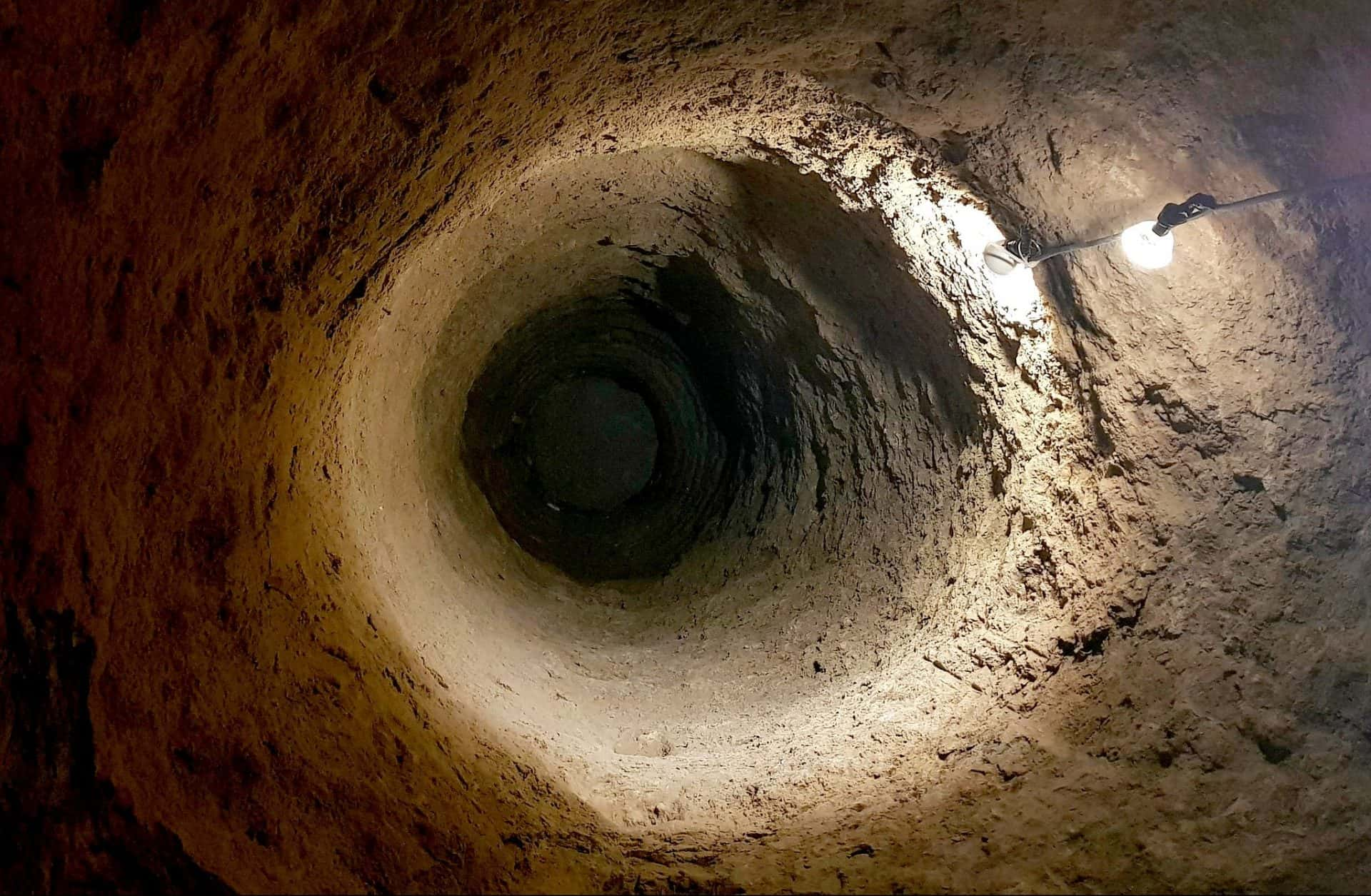
The Unexpected Temperature
The temperature in the borehole was roughly what the researchers had predicted; they couldn’t believe what the temperatures really were! For the first 10,000 feet of the dig, this was true. Things, however, changed after that.
The Unexpected Temperature
The Temperature Changed
They had underestimated how quickly the temperature would rise. By the time they got close to the target, the temperature in the hole had reached 180 °C (356 °F). This is an incredible 80 degrees Celsius (176 degrees Fahrenheit) hotter than they had anticipated!

The Temperature Changed
There Was More
That wasn’t the end of it. Furthermore, the researchers discovered that the rock at those depths was much less dense than they had previously assumed. As a result, it reacted to the higher temperatures in a variety of ways.
There Was More
Abandoning The Project
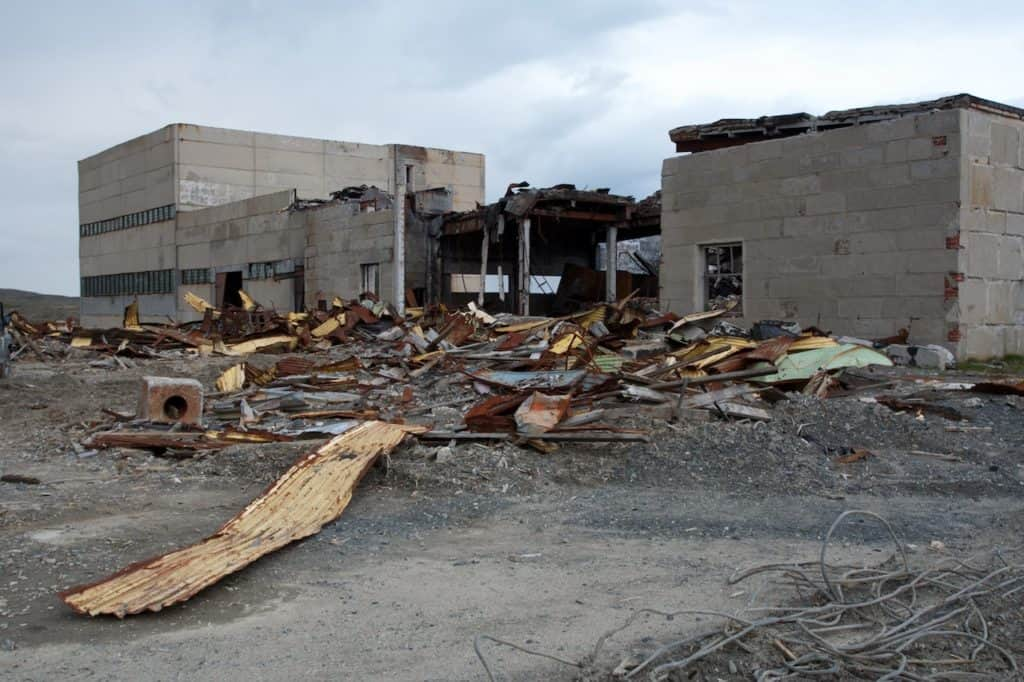
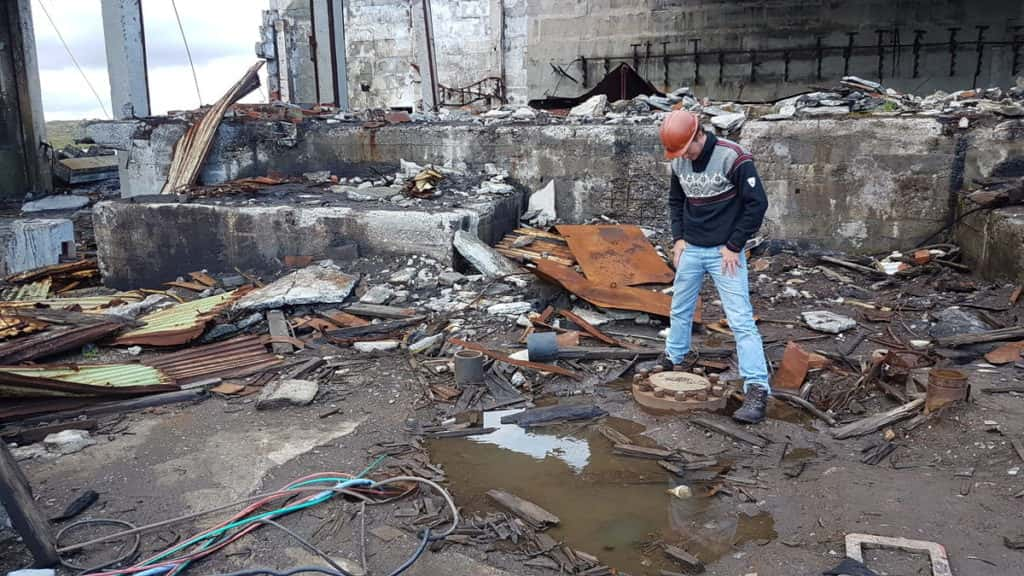
Because they knew the equipment would not last in those conditions, they decided to cancel the project. It had been 22 years since they had started digging at that point.

Abandoning The Project
The Kola Superdeep Borehole
Before sealing up what has become known as the Kola Superdeep Borehole, the researchers discovered a couple of fascinating facts. For one thing, they discovered small marine plant fossils at a depth of about four miles.
The Kola Superdeep Borehole
What Did They Find?
Considering how long they had been buried beneath miles of rock, the relics were in excellent condition. By the way, the rock itself was estimated to be over two billion years old! How cool is that?

What Did They Find?
Not What They Expected
They made an even more thrilling discovery at the Kola Superdeep Borehole’s furthest reaches! Experts previously assumed that the rock beneath our feet changes from granite to basalt at two to four miles below the Earth’s surface based on seismic wave measurements.
Not What They Expected
It Was Different
They quickly realized that they were mistaken. At the very least, this may not be the case on the Kola Peninsula. Following this revelation, they made a series of other discoveries that led them to discover something far more incredible than they had anticipated.

It Was Different
It Was Still Granite
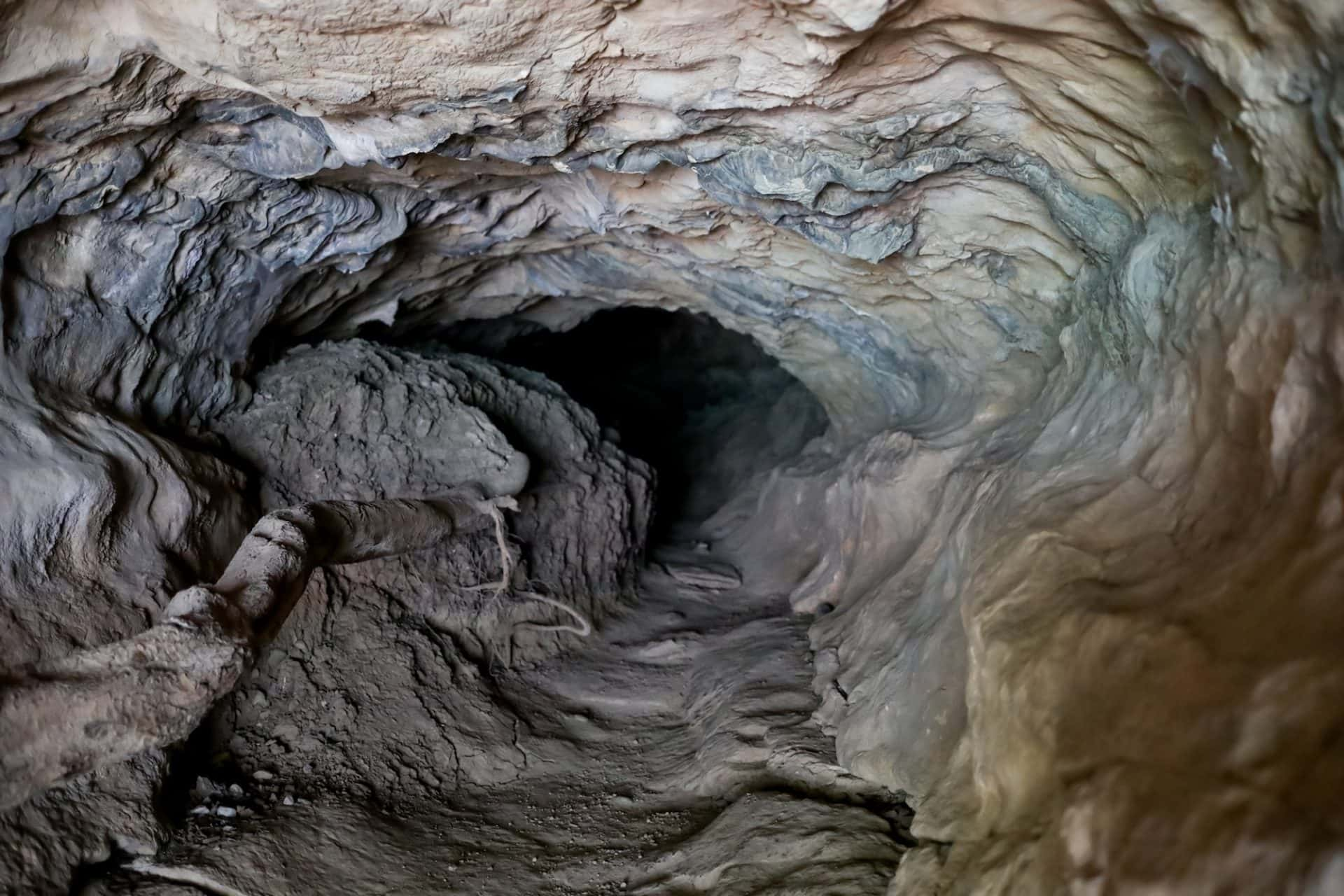
Even at the deepest depths of the borehole, scientists found granite! After some research, they discovered that the seismic wave shift was caused by metamorphic differences in the rock rather than a basalt shift.
It Was Still Granite
They Found Something Incredible
This is not the case at all. They also discovered flowing water a few miles below the surface, which was incredible. They weren’t expecting to find this down there!

They Found Something Incredible
Proof Of Biblical Flood
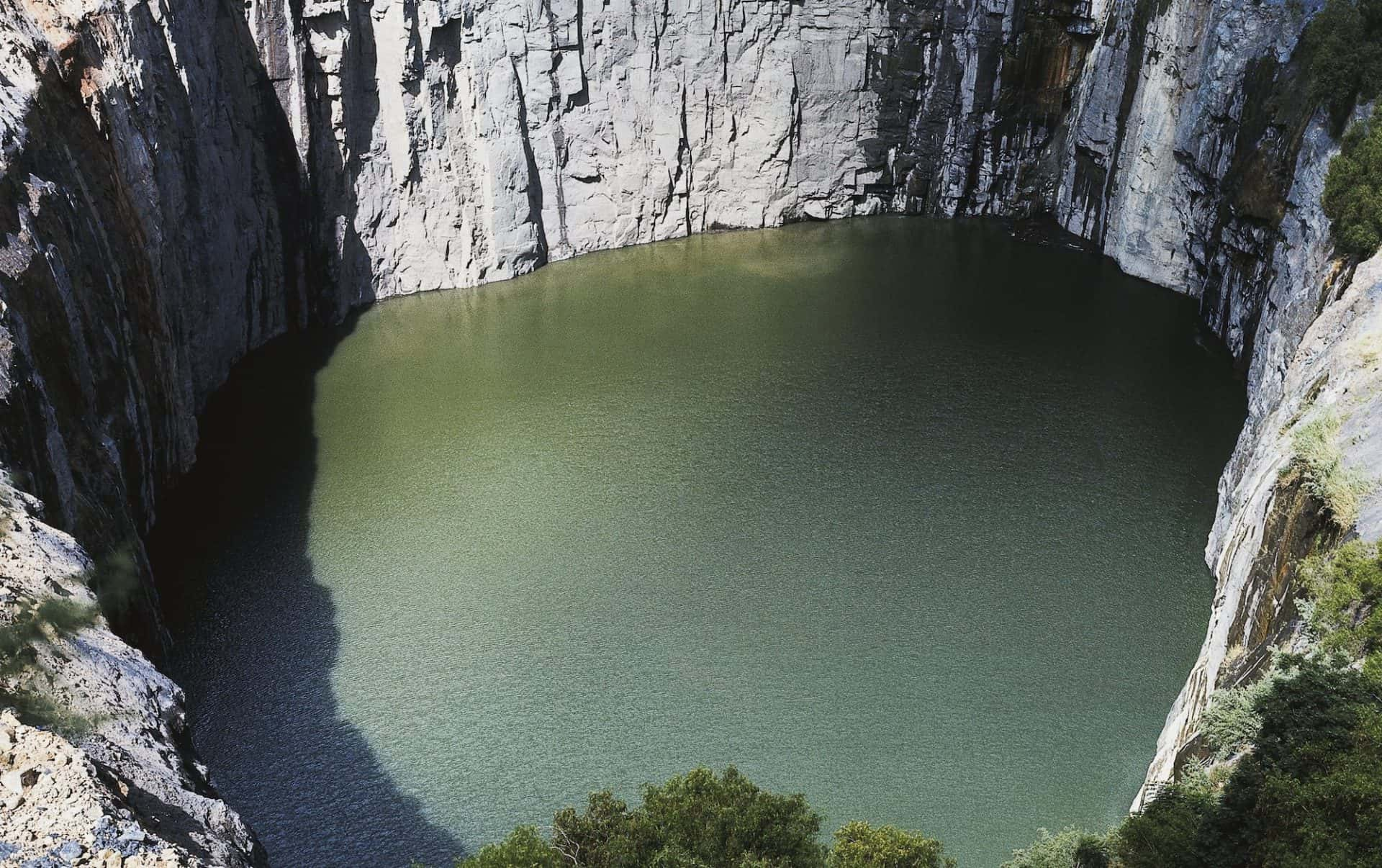
Some people were convinced that the discovery of water beneath the surface was proof of the biblical flood. On the other hand, strong pressure is thought to be causing the phenomenon by forcing hydrogen and oxygen atoms out of the rock.
Proof Of Biblical Flood
Trapped Beneath The Surface
After that, impermeable rocks stopped new water from forming beneath the earth’s surface. When the researchers discovered this, this was their explanation. What are your thoughts?

Trapped Beneath The Surface
Closure And Collapse
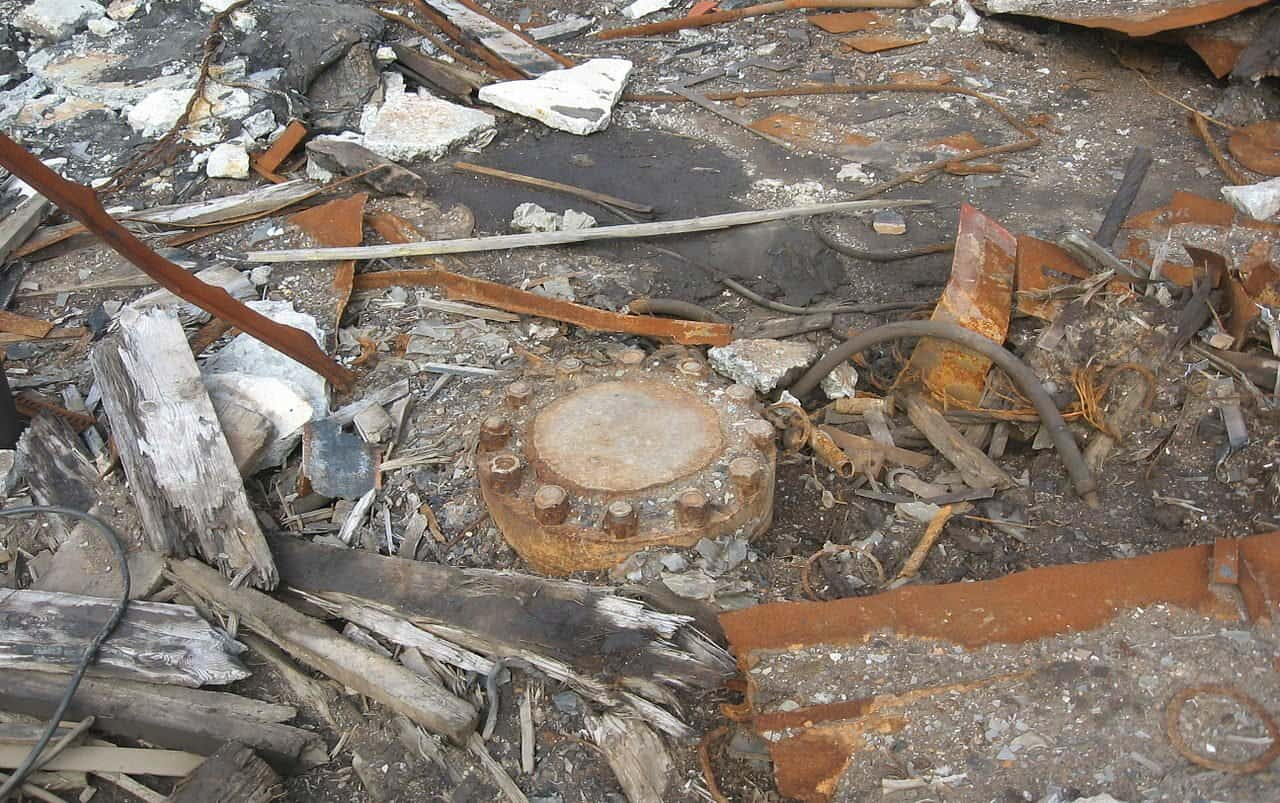
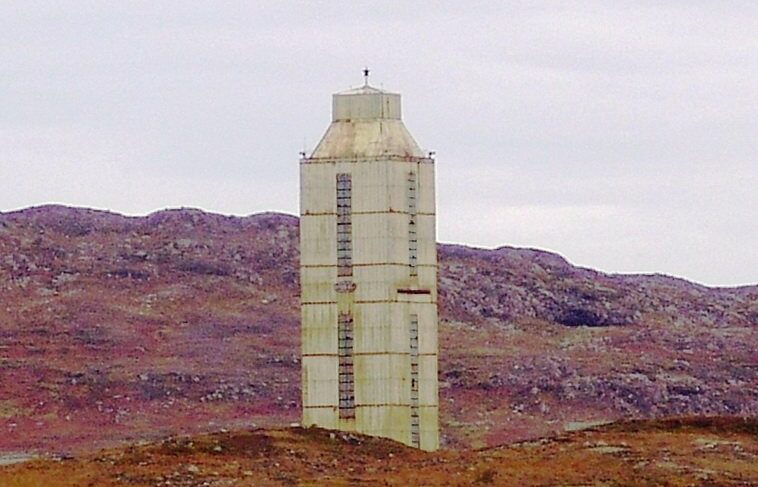
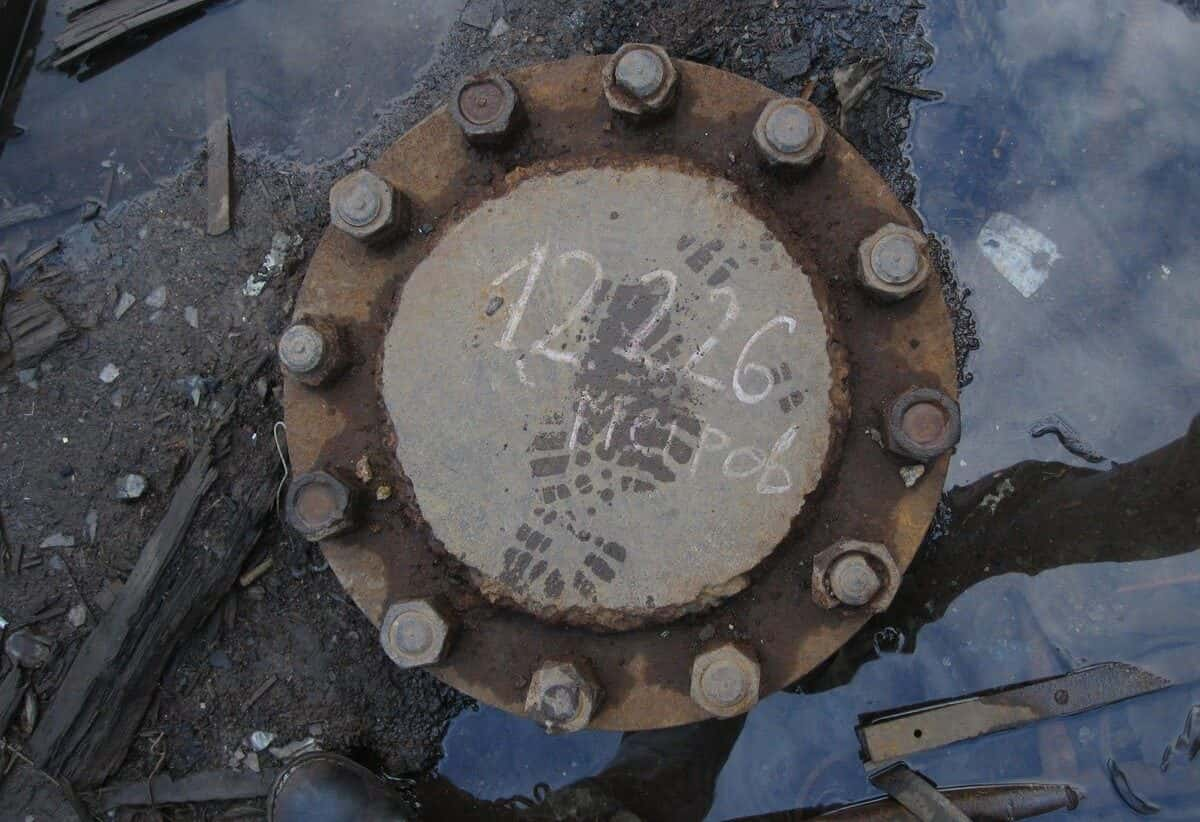
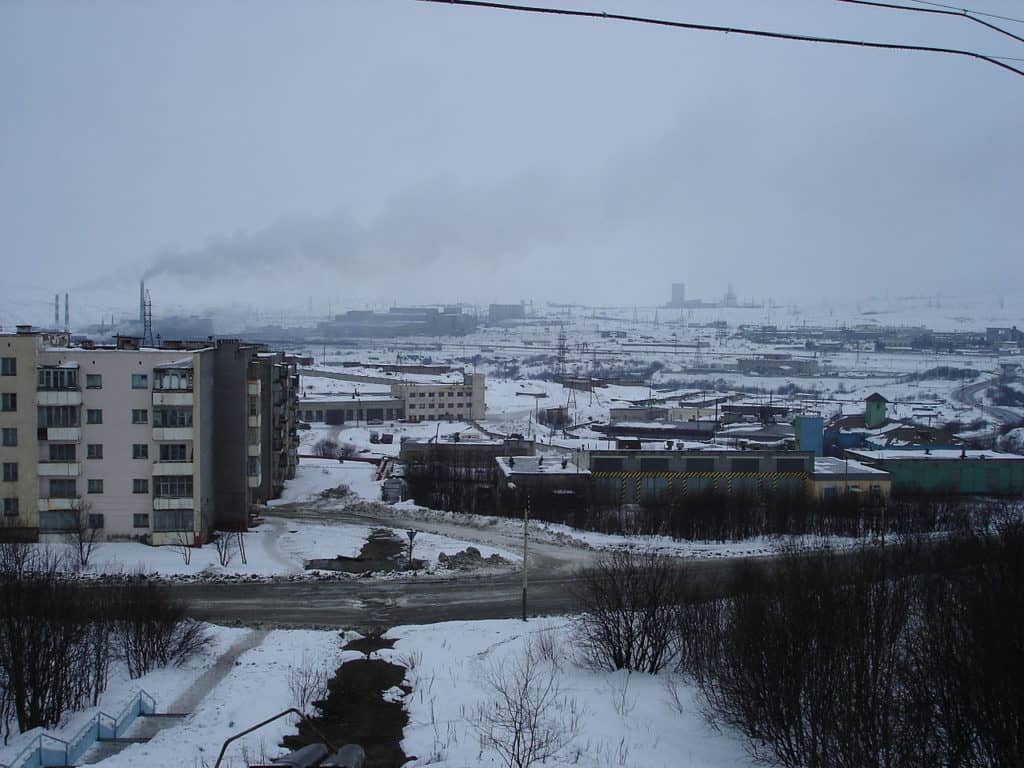
The collapse of the Soviet Union coincided with the closure of the Kola Superdeep Borehole. By 1995, the project had been permanently shut down. It is currently classified as an environmental hazard. Visitors can see relics from the operation in the nearby town of Zapolyarny. It’s about six miles away from the location. Isn’t it amazing that no one has ever broken the record? This means the borehole is still the world’s deepest man-made point!
Closure And Collapse
The Race To The Center
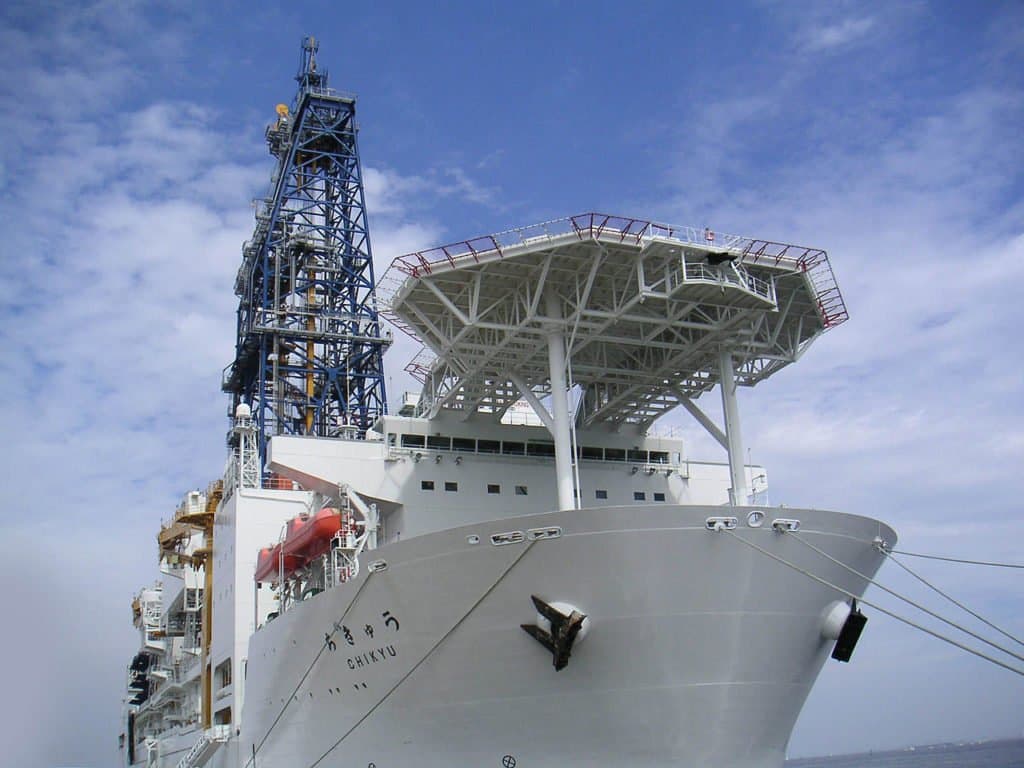
Just so you know, the race to the Earth’s center is far from over. Drilling platforms from the International Ocean Discovery Program are still exploring what lies beneath the seafloor in the oceans. They have to deal with extreme temperatures and failing equipment in order to discover what secrets are hidden within.
The Race To The Center
Below The Water
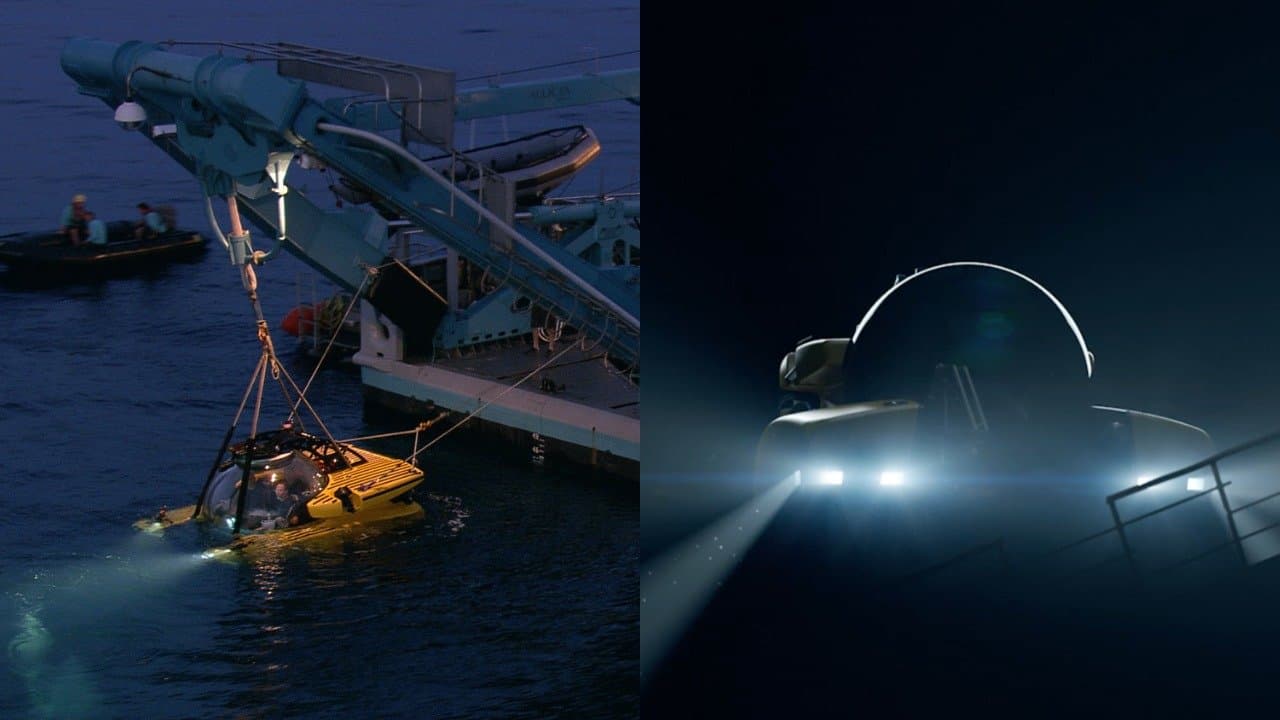
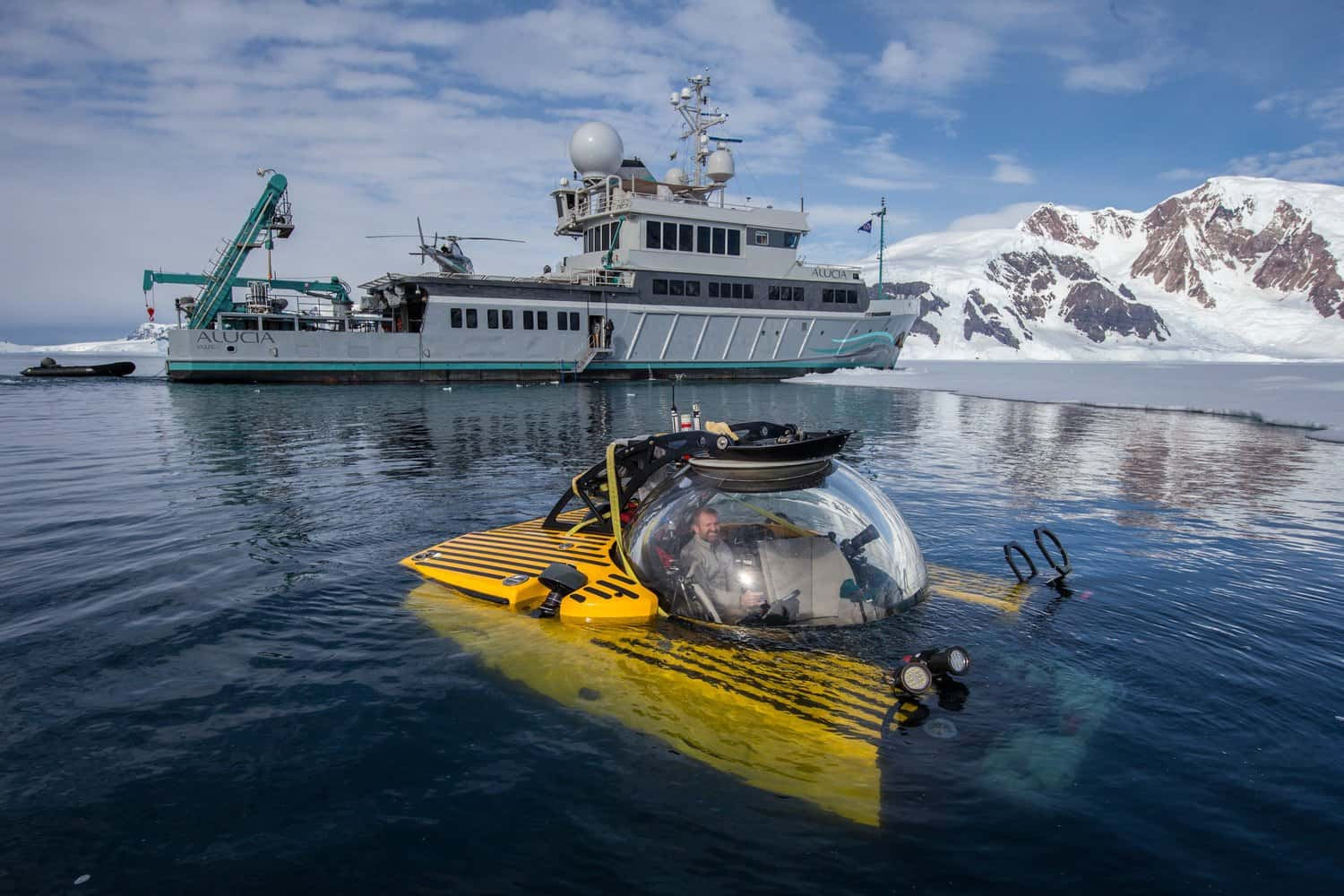
They do, however, go below the surface for reasons other than reaching the mantle. For one thing, when a two-man submersible was dropped into the Antarctic on a discovery mission, it plunged into the unknown. The crew members wanted to go deeper under the water near the South Pole than anyone had ever gone before. What did they discover down below? Well, let’s just say they got a glimpse of a world that no one else has ever seen before.
Below The Water
Years Of Careful Planning
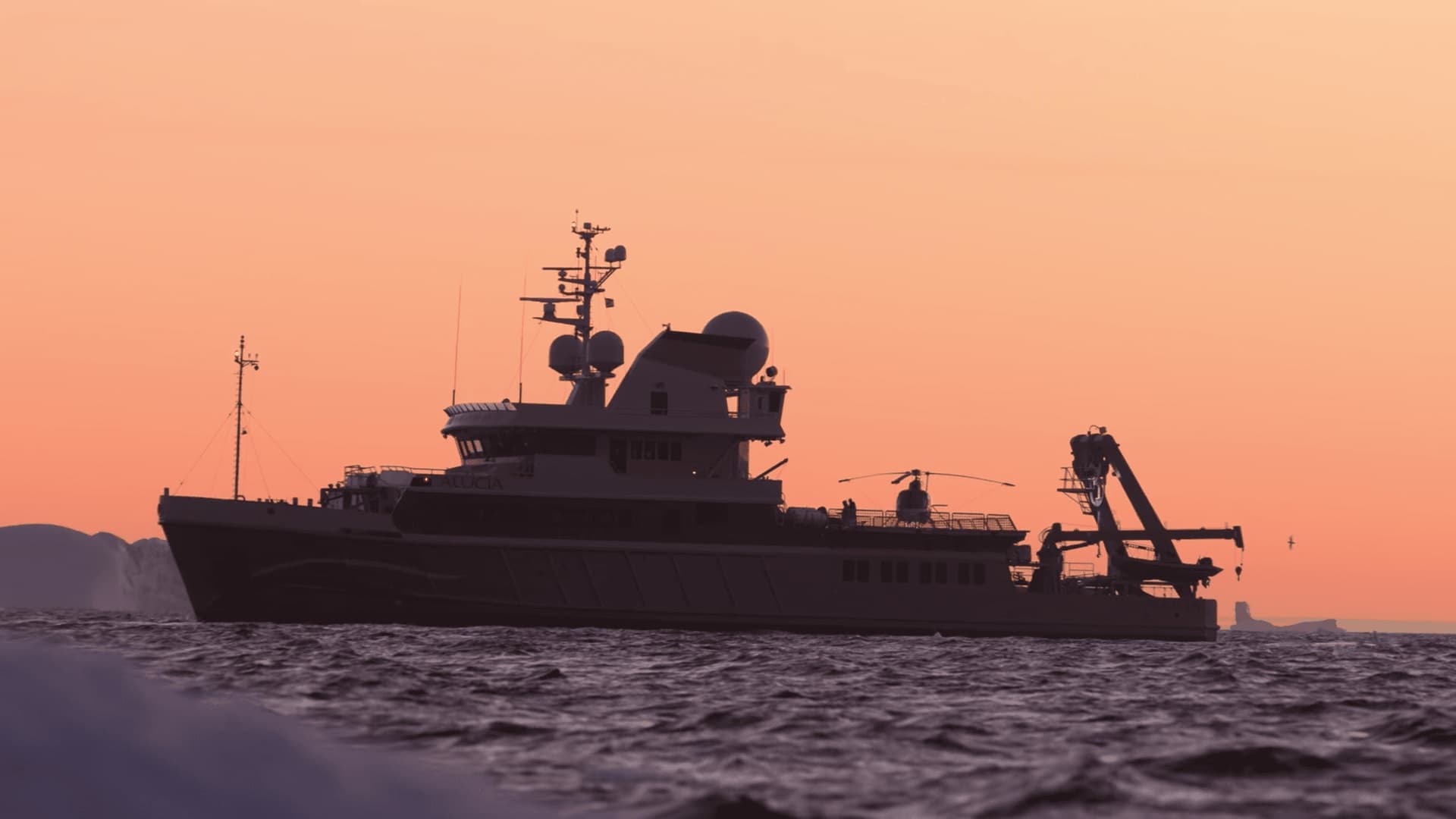
This wasn’t your typical spur-of-the-moment mission, either. In fact, they spent two years determining the best time and location for the dive. There’s a reason for the delay. The truth is that we know more about the skies than we do about our own planet’s ocean floor.
Years Of Careful Planning
We Know Little About It
We’ve learned more about the surface of Mars than we have about the ocean floors around us. Let’s take a look at things from a different perspective. Earth’s distance from its neighboring planet is 140 million miles. The average depth of the ocean, on the other hand, is less than 12,000 feet, or about two miles!
We Know Little About It
Not Easy At All
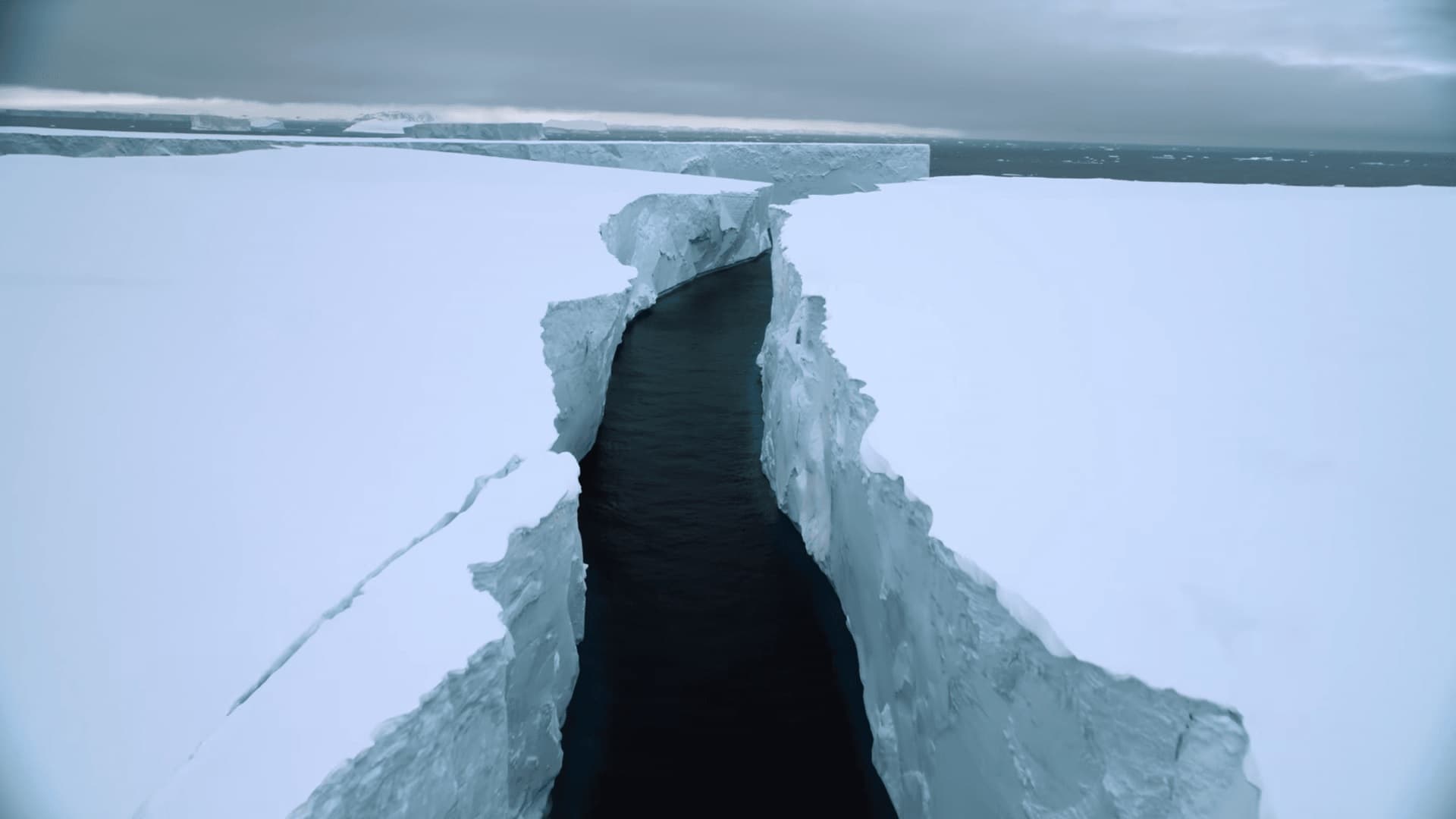
If you think diving beneath the Antarctic is simple, you’re mistaken. For starters, scientists had to determine where the descent would take place. They eventually settled on a location known as “Iceberg Alley.” The location did not get its name for no reason.
Not Easy At All
In The Antarctic
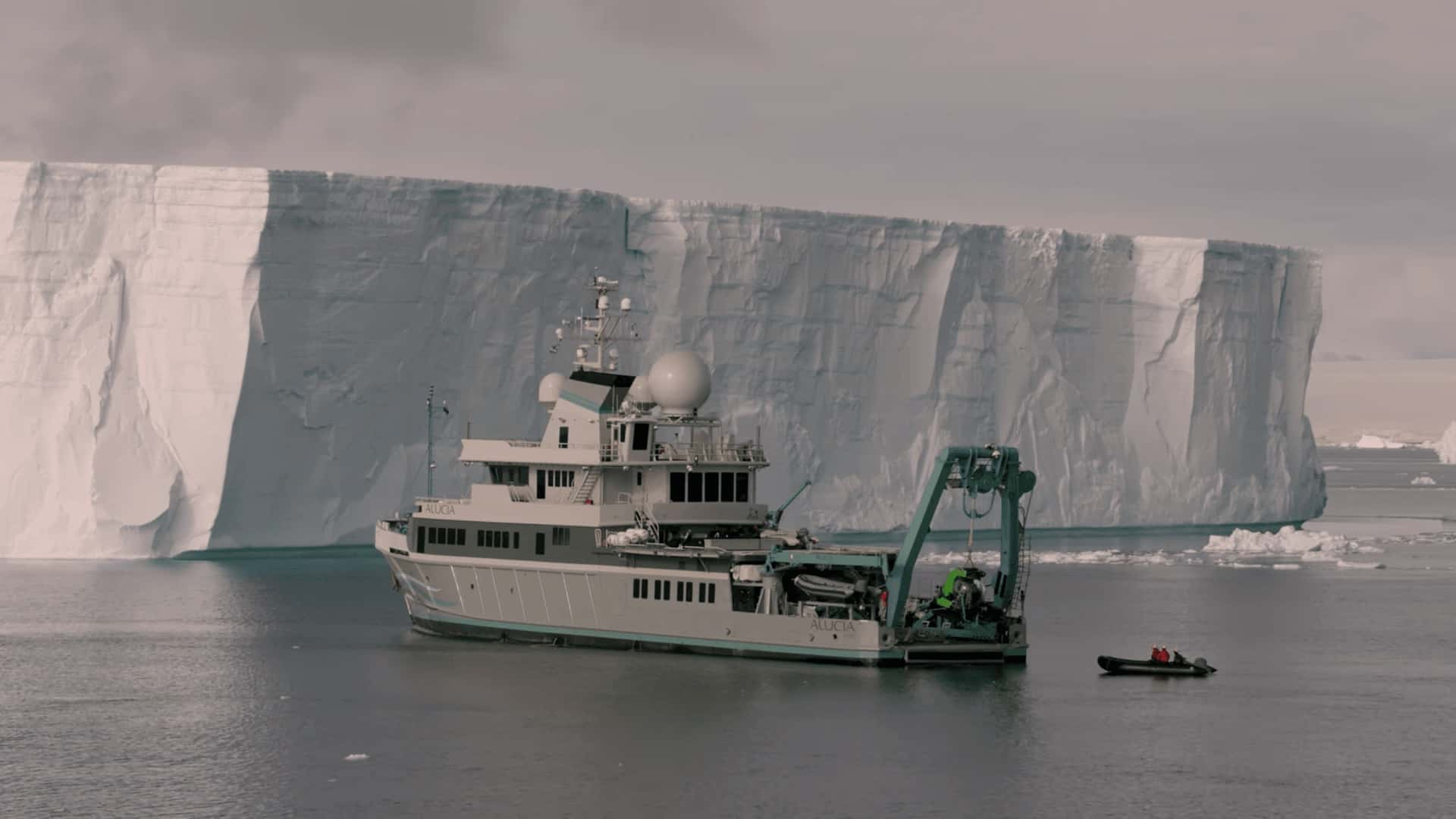
The alley forms a channel near one of the Antarctic Peninsula’s northernmost points. The sea is surrounded by ice chunks that are constantly shifting. Some of the pieces are about the size of a car, while others cover half a square mile. Simply getting the boat with the submersible there was a huge challenge.
In The Antarctic
Diving Into The Unknown
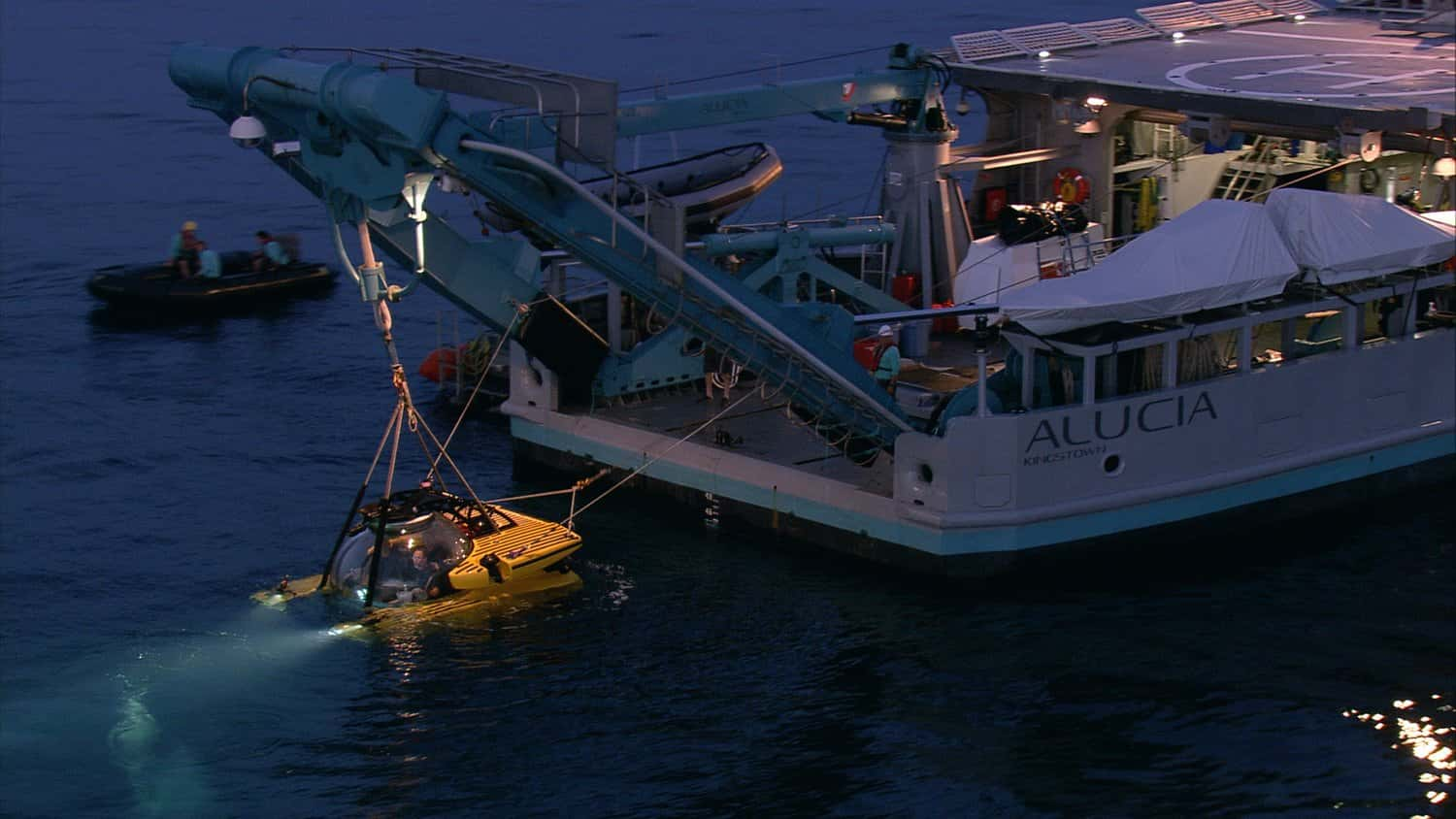
The crew was on a mission to explore the unknown. A documentary can tell you more about it! The executive producer, James Honeyborne, admitted that there were setbacks along the way. Reaching Iceberg Alley was like “a giant game of Space Invaders,” he told the BBC. It wasn’t just getting to the right place that was difficult for them. Other factors hampered their progress as well.
Diving Into The Unknown
So Many Unknowns
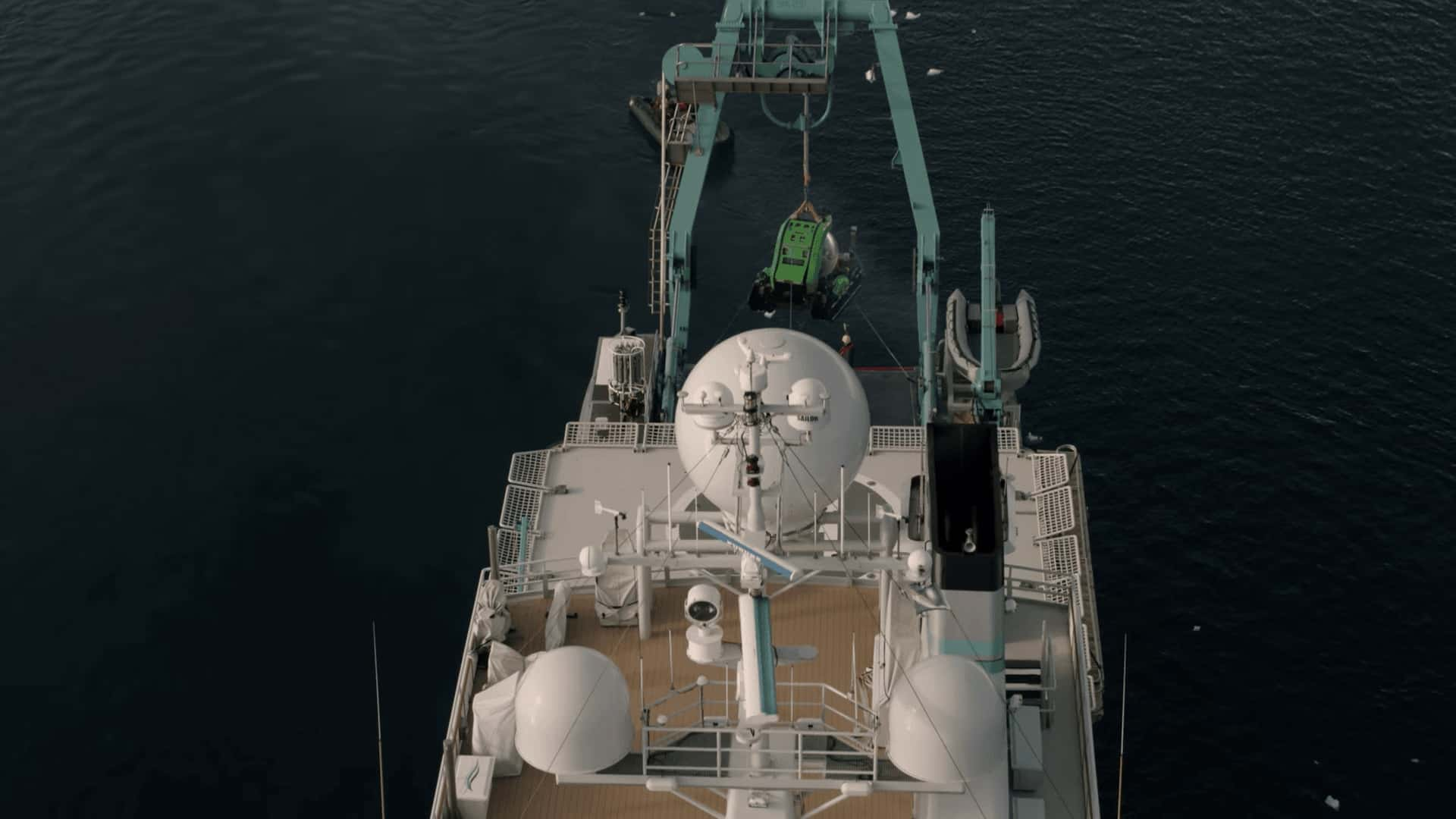
For one thing, the team had no idea how their submarines would perform in such a hostile environment. After all, the depth was going to put a lot of strain on it. However, as soon as they began to descend, these concerns faded. They discovered an incredible ecosystem of amazing creatures beneath the waves. Even better, the team discovered one that they named after a key character from the Star Wars saga!
So Many Unknowns
More Life There
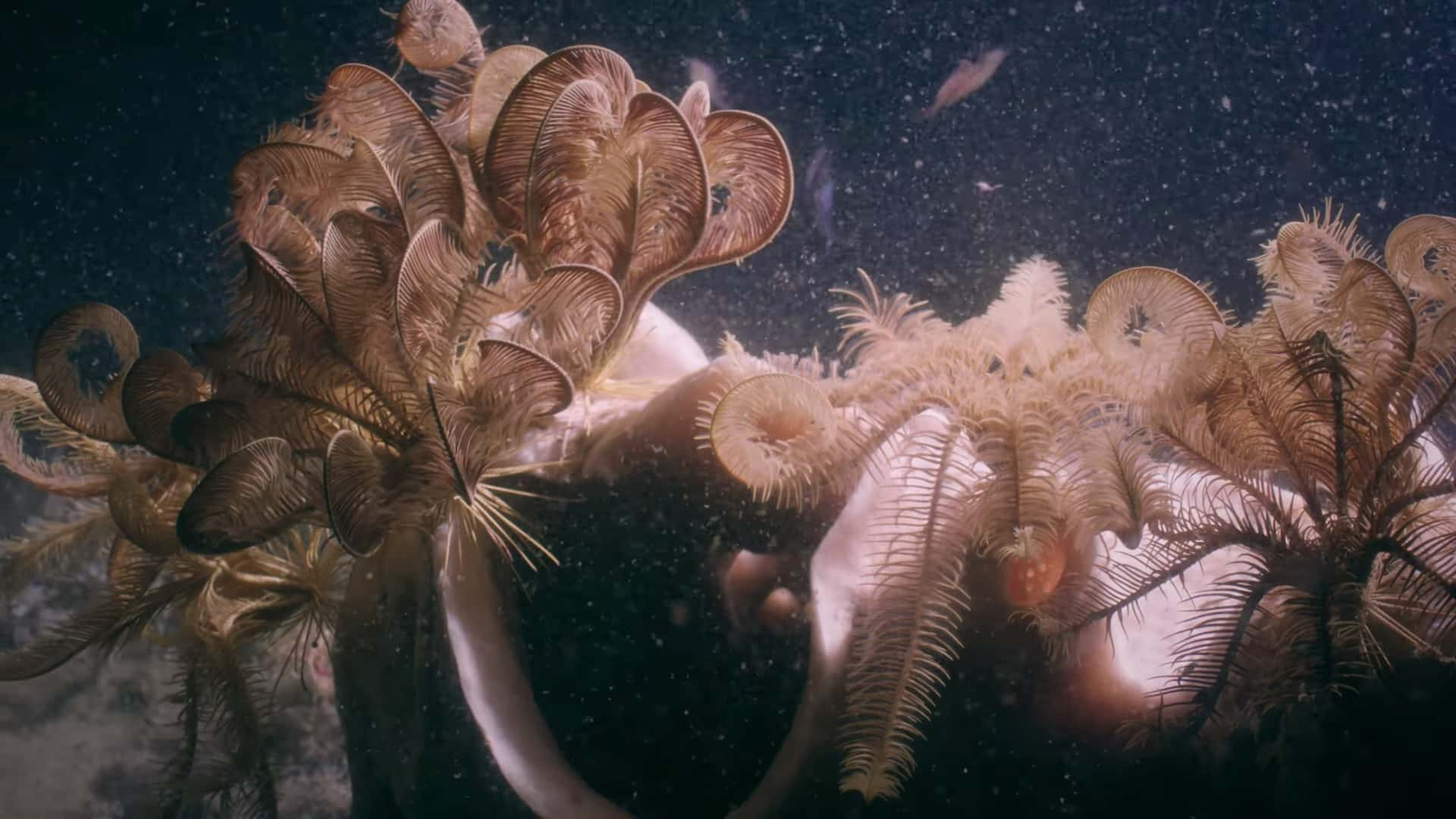
Even though life is often harsh above the waves, there are a plethora of strange and otherworldly sea creatures below. “Within a square yard, there is more life in the deep of the Antarctic than there is in the reefs of the Barrier Reef of Australia,” Mark Taylor told LADbible about it. He was a member of the dive team that was being investigated. There are several good reasons for this, as it turns out.
More Life There
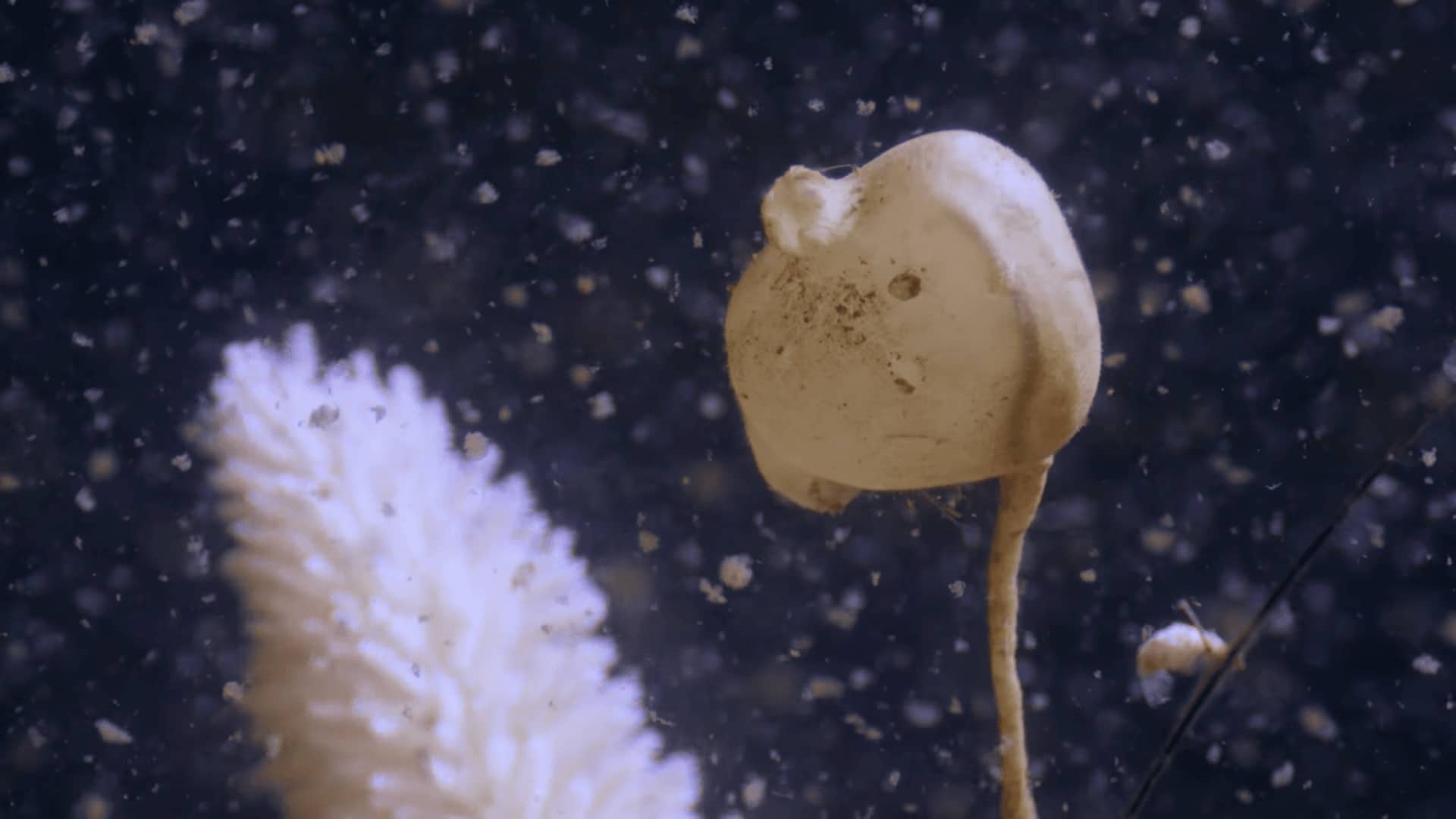
Thick Marine Snow
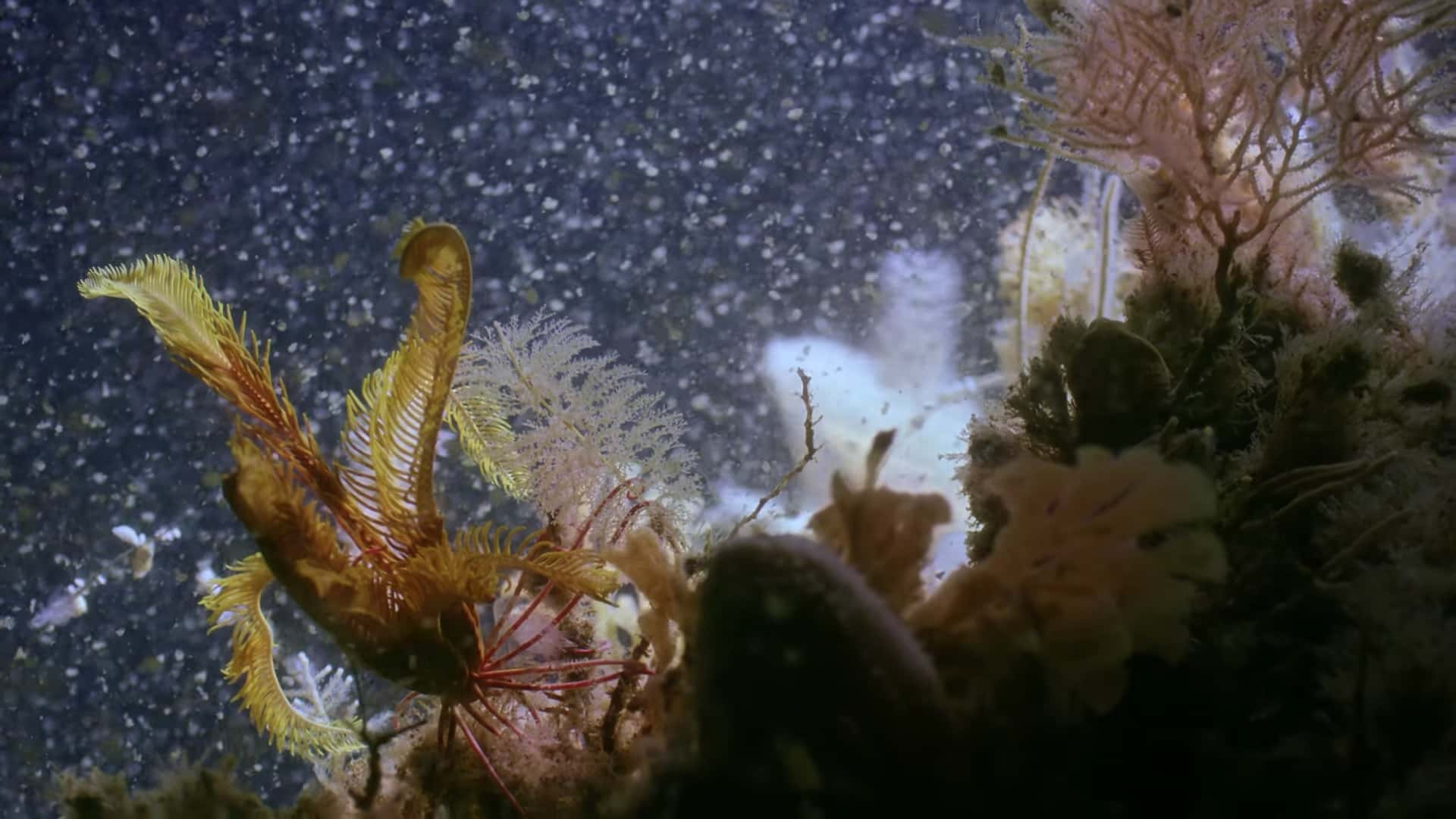
For one thing, the marine snow they discovered beneath the Antarctic waves was “thicker than [he’s] seen it anywhere else in the world’s oceans.” These are the words of the University of Southampton’s Dr. Jon Copley. But, exactly, what is marine snow? What is the significance of this to the seafloor?
Thick Marine Snow
Important Food Source
Is this your first time hearing about marine snow? It is organic material that flows down from the ocean’s surface to the ocean’s floor. It is a vital source of food for the creatures who live beneath the ocean’s surface. After all, it uses sunlight to transport energy and nutrients from different parts of the sea.
Important Food Source
Krill Poo Too
However, there is another important food source in the Antarctic Ocean. We’re talking about krill feces! Krill are small crustaceans that live all over the world and play an important role in the food chain. Their excrement, in particular, turns the seafloor into a muddy environment that is ideal for supporting life at that depth. It just so happens that the animals that thrive in the area are some of the strangest creatures you’ll ever see.
Krill Poo Too
The Antarctic Sunstar
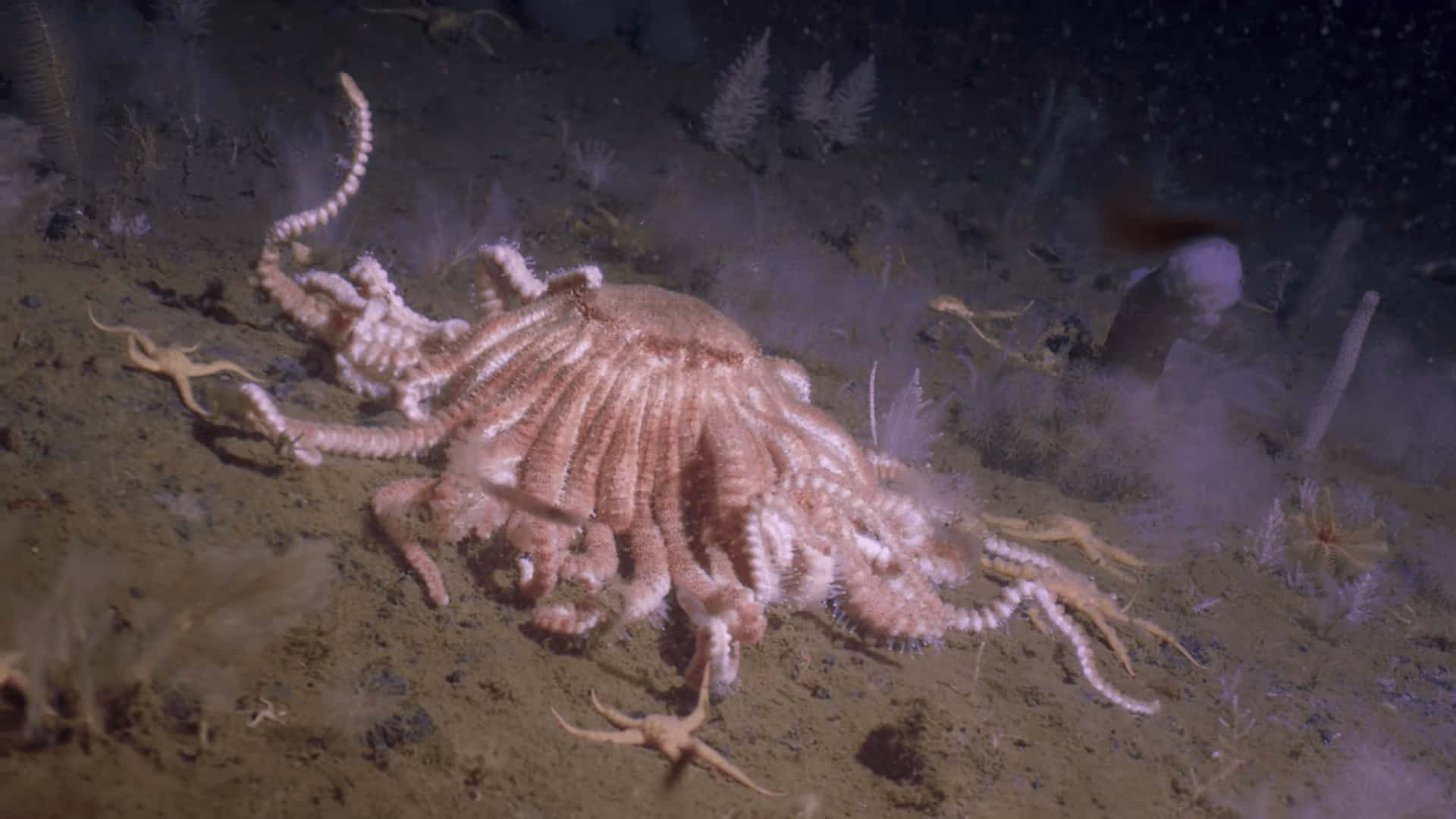
The Antarctic Sunstar was one of the strangest creatures the team discovered down there. The researchers, on the other hand, gave it a dreadful moniker. They dubbed it the Death Star, and we can see why they chose that name. Labidiaster annulatus is the scientific name for the animal. It is a cousin of the common starfish, but it is a very different creature.
The Antarctic Sunstar
Also Known As The Death Star
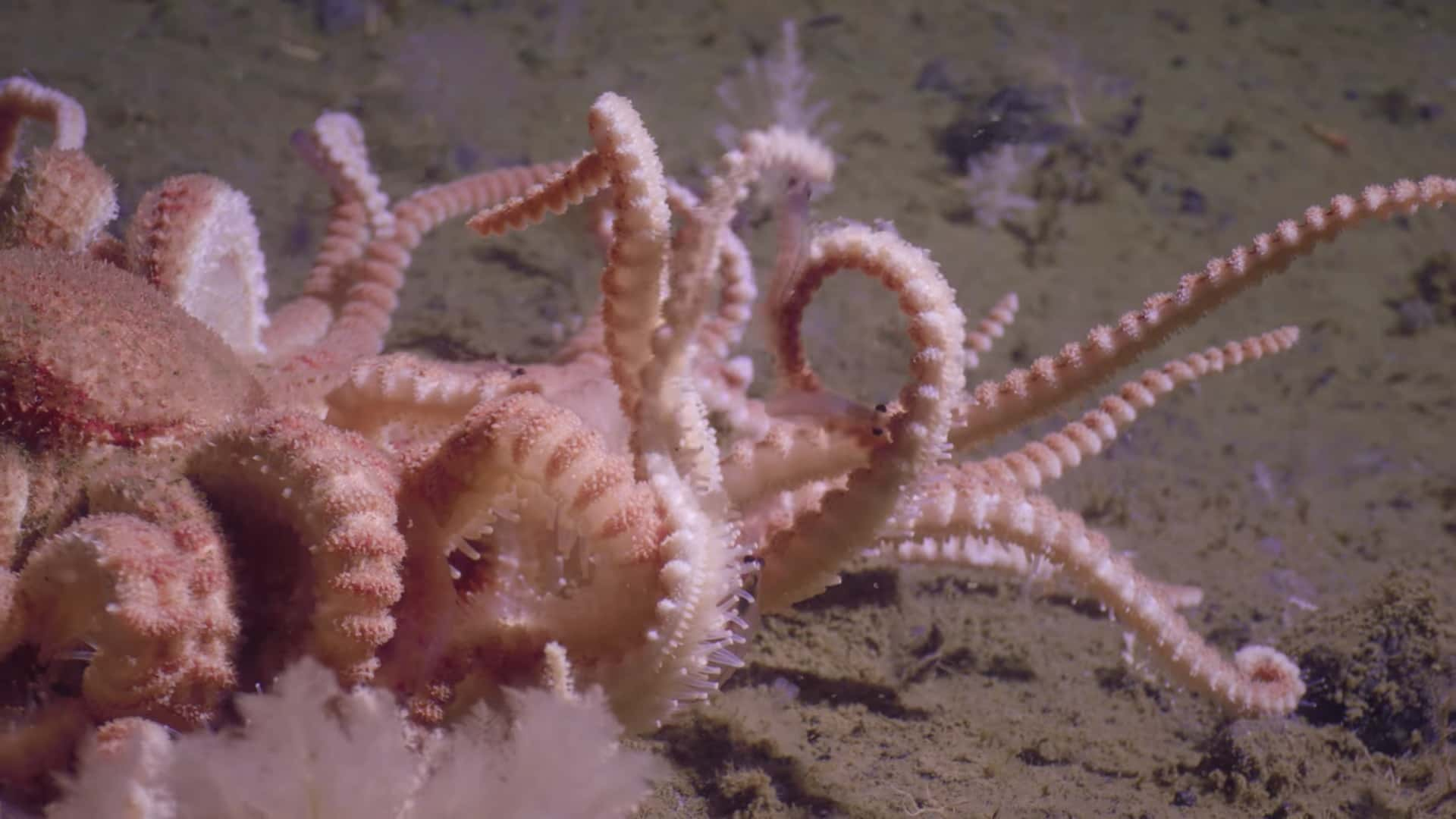
For starters, the Death Star has the potential to have up to 50 arms! It can also grow to the size of a hubcap. The skin on the arms is covered in tiny pincers that close when they come into contact with something. Most of the time, the unfortunate victim is a passing krill. This isn’t even the strangest thing about the Sunstar!
Also Known As The Death Star
How It Is Done
In other oceans, fish are the dominant predators, but the Death Star is here to show us how things are done in Antarctica. Because the water in the area is extremely cold, fish do not thrive there. As a result, invertebrates such as the Antarctic Sunstar occupy the top of the food chain.
How It Is Done
Diving Down There
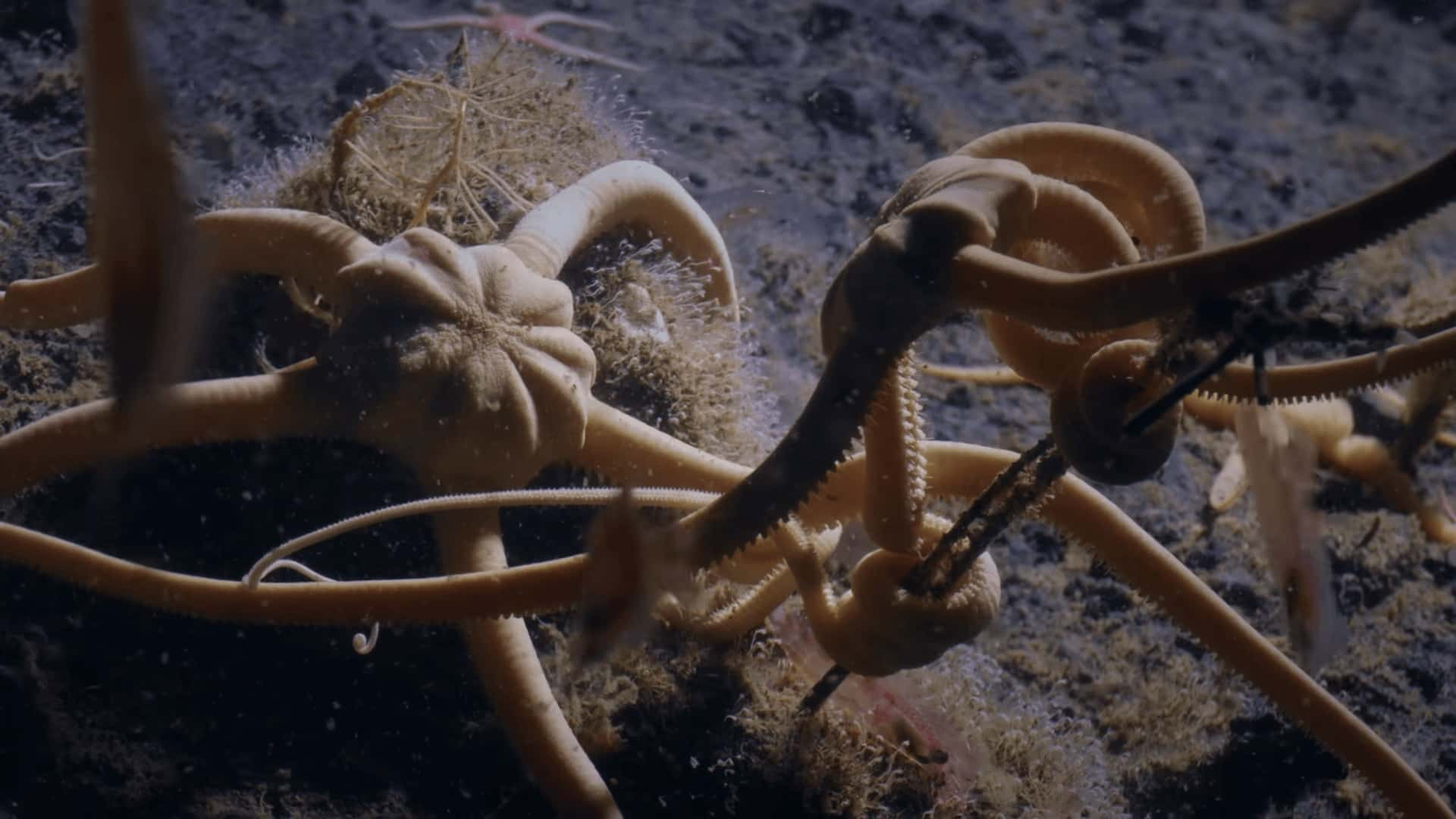
When you dive in Antarctic waters, it’s as if you’re peering through a window into what the oceans were like before humans arrived. “It’s the animals without backbones that dominate and that dominate as predators,” Dr. Copley said, “And that’s how the oceans were more than 250 million years ago.”
Diving Down There