

Look Out Because These Stores Might Close Down Before The End Of The Year
When it comes to the world of business, no company is safe. Just because it has been around for decades now does not mean it will never shut down. This list is here to prove exactly that. A lot of things have changed when it comes to consumer methods. For one thing, online shopping has rendered certain practices obsolete! This is not good news for the stores on the list. Read on to see if your favorite retailer will make it past 2019.
J. Crew
J. Crew might be a favorite of Michelle Obama, but it has been closing stores thanks to plummeting sales. On top of that, it had to let go of brilliant creative director Jenna Lyons and CEO Millard “Mickey” Drexler. According to the latter, the company made the wrong move by raising prices.
J. Crew
Sears Holdings
Sears Holdings hasn’t been doing so well in the past decade. Its sales keep going down. In an effort to keep its head above water, the company has tried various measures from laying off employees to shuttering stores. However, none of these helped very much. In October 2018, the company declared bankruptcy and shut down 142 stores. CEO Eddie Lampert tried to salvage the situation by taking out loans worth hundreds of millions from his own hedge fund. Things have yet to improve, however.
Sears Holdings
99 Cents Only
99 Cents Only is a retailer that offers products at a discount. Sadly, it has been unable to keep up with Walmart, Dollar General, and Dollar Tree. In December 2017, it reported that its net loss was $27.1 million. This was in addition to its Q2 losses of $33.6 million and Q1 losses of $8.8 million. The company was acquired by Ares Management then by Canada Pension Plan then by a private family. CEO Jack Sinclair replaced Geoffrey Covert. Despite its positive same-store sales, things are not looking good.
99 Cents Only
GNC
The gross revenue of GNC went down by 3.4 percent year after year. On top of that, it had a $1.3 billion debt to pay! The chief executive said that its e-commerce and Chinese sales were doing fine during Q2 of 2018. However, the company reported that the top-line sales experienced a decline in the same period. This is the reason the company sold 40 percent of shares to a Chinese company. They will now be the ones to promote, produce, sell, and distribute the products across the Asian country.
GNC
Fred’s Pharmacy
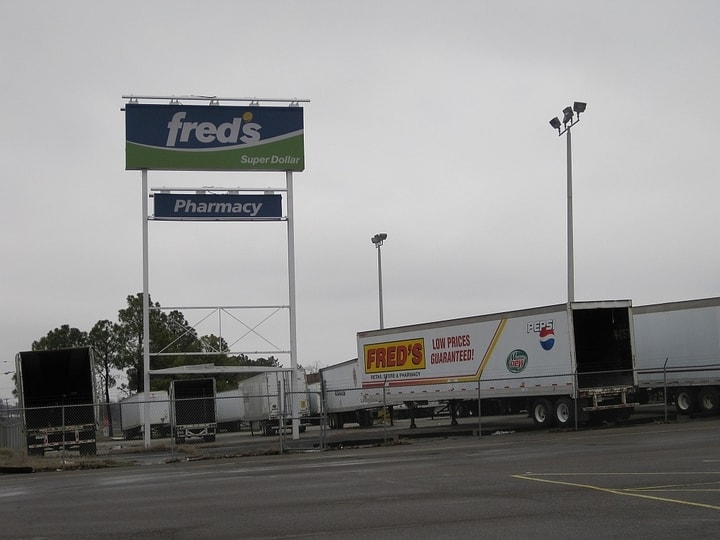
Fred’s Pharmacy reported a decline of 4.3% and a bottom-line loss of $139.3 million. The company initially wanted to raise its 600 stores to 1,000 stores, but the plan did not happen. In February 2018, the CFO of the company left, and the position went to a former media exec. Fred’s had no choice but to enact its Plan B, which was to go up for sale. It sold the specialty pharmacy CVS for $40 million.
Fred’s Pharmacy
Destination Maternity
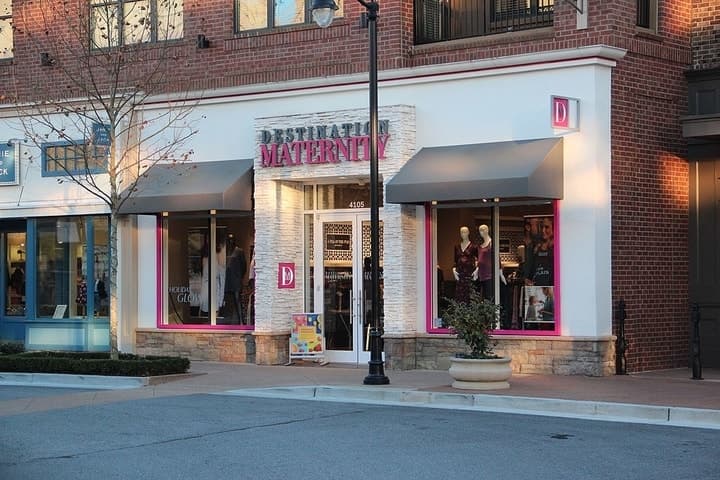
Destination Maternity is one of the biggest companies in the industry of maternity apparel. Last year, its CEO left after the gross sales dipped by more than 7 percent in one quarter. Now on a second interim CEO, the company asked Berkeley Research Group for help. The theory was that the relationship with Kohl’s is the root of the problem. In 2017, the total year over year sales dropped by 6.4 percent. Not all is lost, however, as the company saw a 40 percent increase in its e-commerce comps.
Destination Maternity
Ascena Retail
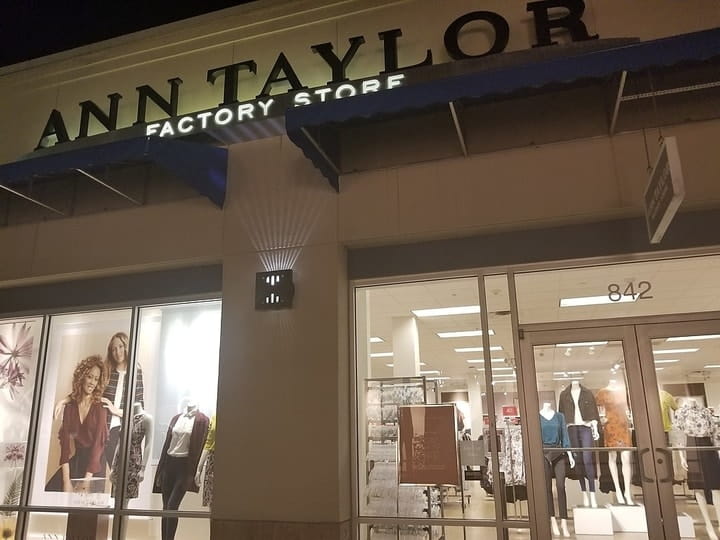
Ascena Retail is the owner of brands like Ann Taylor, LOFT, Lou & Grey, and Dress Barn. RetailDive explained that the situation with Dress Barn did not improve after getting a new chief. The brand will be closing a quarter of its stores by the end of the year to save the brand. Even though Ascena expected $1.7 billion sales in 2017, its top-line sales only declined. In May, Moody’s said the company “is on a path to developing a strong ‘backbone’ of retail capabilities.” There is still hope for it!
Ascena Retail
Stein Mart
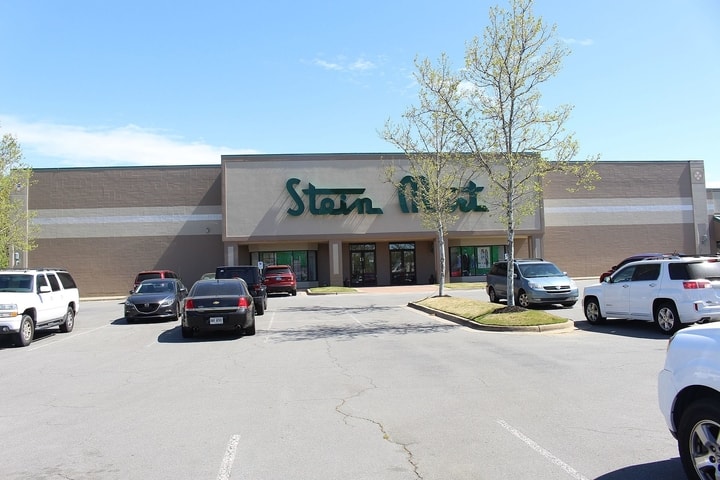
Stein Mart has been having troubles with sales, but it seems like things will get better for it soon. The Jacksonville-based department store managed to regain balance in sales. On top of that, its digital revenue went up by 47 percent in the second half of 2017. It reported a bottom-line loss of $23.4 million, but this has since decreased by a tenth. The store sought help from advisors and closed in on a $50 million loan as well. We’re glad to hear these developments!
Stein Mart
JC Penney
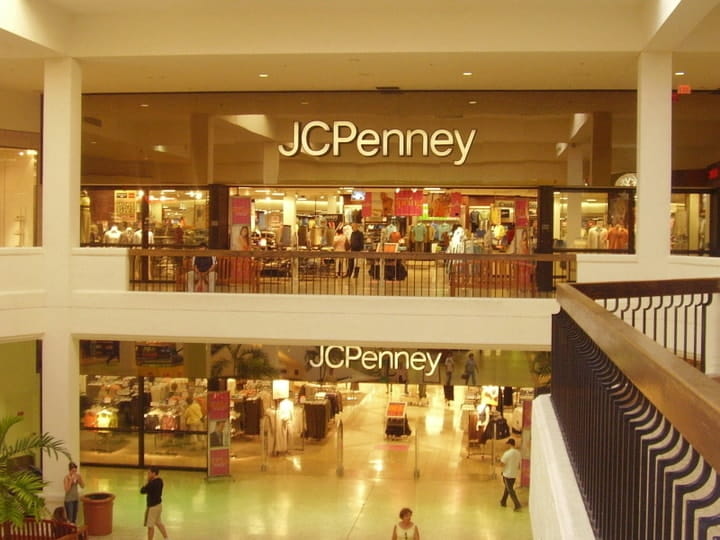
JC Penney has not been doing well despite laying off a thousand employees and closing a distribution center last year. The top-line sales went down by 0.3 percent in 2017. A big factor in its struggle would be its debt of $4.2 billion. The investors are feeling impatient with the lack of progress. The company recently changed its executive board, so perhaps the new chiefs can alleviate the situation.
JC Penney
Office Depot
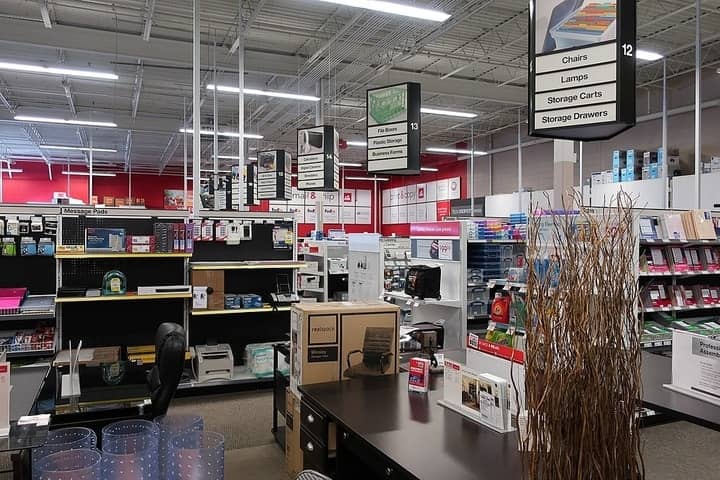
Office Depot struggled in 2017 when its sales went down by 7 percent. CEO Gerry Smith said they would introduce services to increase the company’s top-line sales. It now offers “BizBox”, a subscription program. On top of this, the office supplies retailer invested in an IT firm called CompuCom. We are keeping our fingers crossed that these things will help improve matters!
Office Depot
Vitamin Shoppe
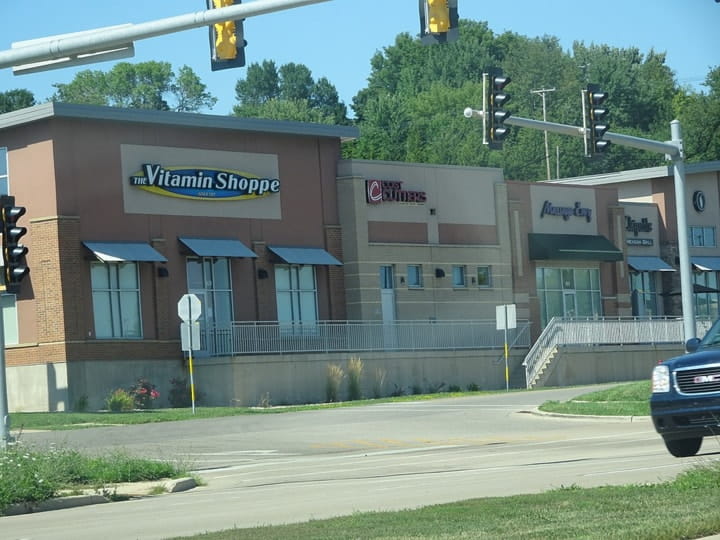
Vitamin Shoppe has been facing a number of challenges as well. It has started to focus more on e-commerce and came up with a subscription service. Despite these efforts, the company still faced a decline of 8.5 percent in the top-line sales in 2017. What makes the market so hard for the vitamin retailer would be the rising number of competitors and the low foot traffic in malls. It has tried to address the problem by offering delivery services, doing events, expanding categories, and more.
Vitamin Shoppe
Neiman Marcus
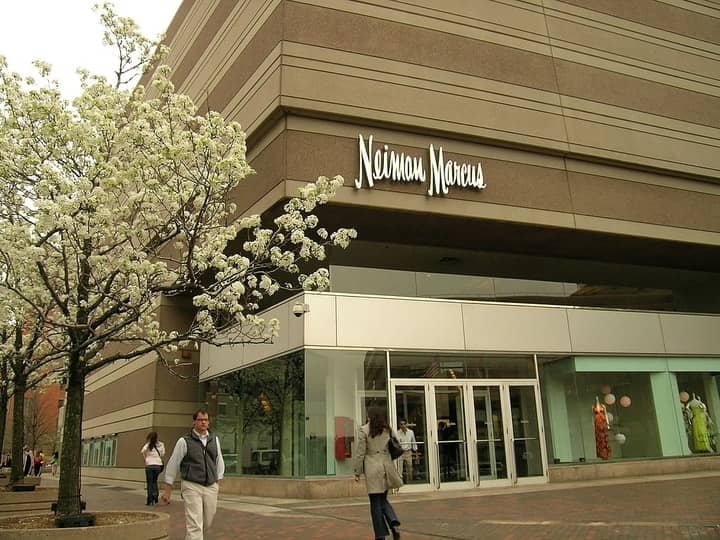
Neiman Marcus experienced a decline of 5 percent in its top-line sales during the 2017 fiscal year. It tried various things to improve the situation. According to RetailDive, it seems to be working! Still, the interest expenses of the company are taking a toll. It has been suggested that the company lay off employees and make a “Digital First” customer engagement plan. A Canadian company called Hudson’s Bay initially wanted to acquire it, but the plan fell through.
Neiman Marcus
Bebe
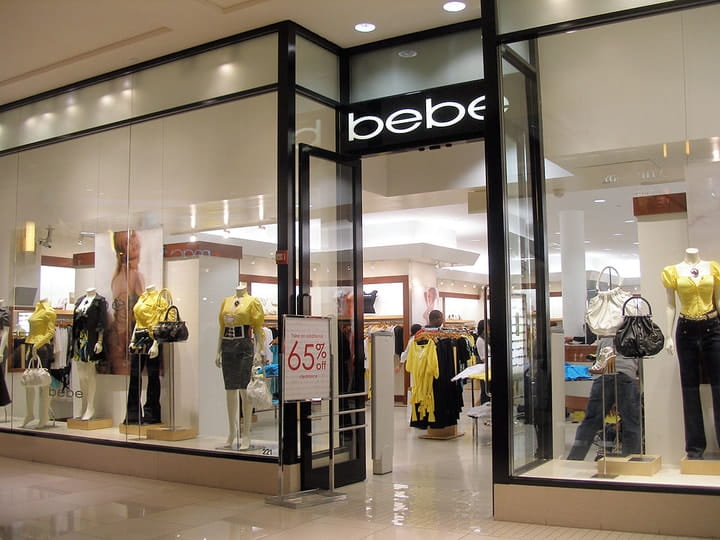
Where did things go wrong for Bebe? Some would say it started when Manny and Neda Masouf divorced. In 2007, the latter left the company after working as the longtime creative director. The fashion retailer also suffered from the fact that fewer people are going to the mall these days. It had a $4.6 million operating loss in 2017. The company decided to spend $65 million to shut down physical stores and focus exclusively on e-commerce. Will avoiding retail space work for this company?
Bebe
Pier 1 Imports
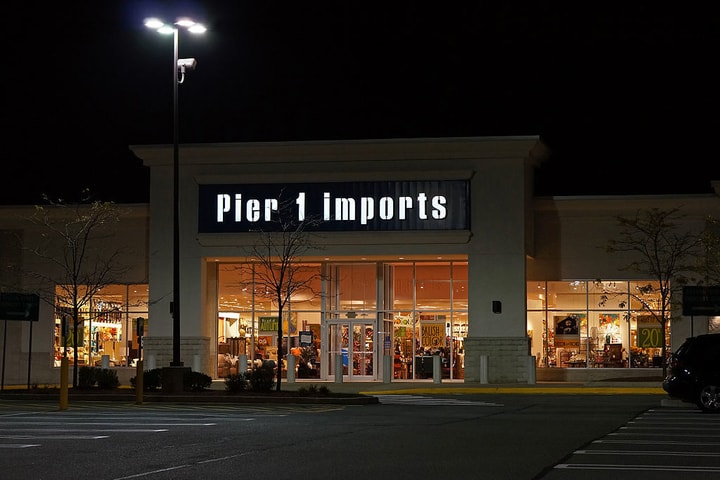
In 2018, Jeffries said that it was going to be a “heavy investment year” for Pier 1 since it was taking care of its “sourcing, merchandising, pricing, marketing, store ops, e-com, and supply chain.” The company saw its net sales go down by 9.2 percent in Q1 of 2018. Its credit rating also went down. We are sure that it suffered even more when Trump placed a 10 percent tariff against Chinese goods. After all, the company said that more than half of its products are made there!
Pier 1
Lands’ End
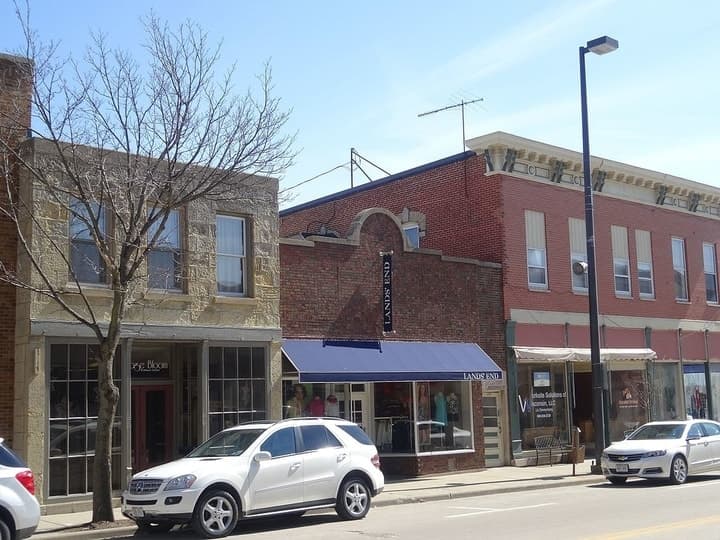
This retailer specializes in luggage, home furnishings, and clothing. It seems like its relationship with Sears is the root of its issues. In 2013, Sear’s decided to go in another direction. While the catalog items are selling just fine, ex-CEO Federica Marchionni made some bad calls. For one, she launched a fashion-forward and youthful brand called Canvas but failed to attract the target clientele.
Lands’ End
Guitar Center
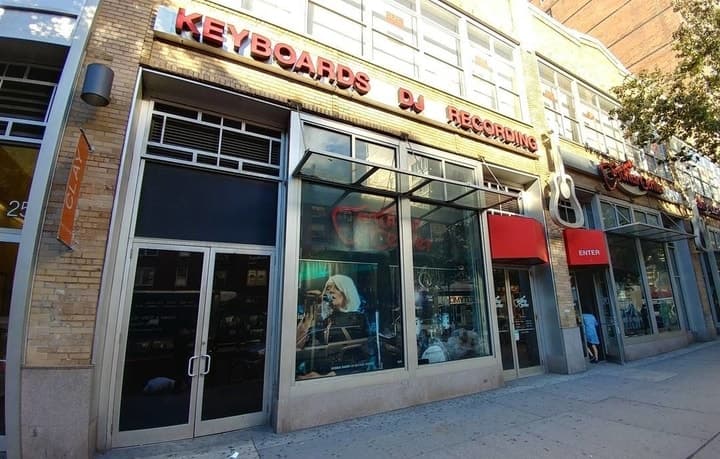
In 2018, Guitar Center had only one more year to pay off its debt worth $900 million. The instrument retailer has been in business for more than 50 years now, but this has not stopped sales from going down. The sales for electric guitars went down by 36 percent from 2005 until 2016. Despite these problems, it still wants to launch new stores! Emergency loans have come to its rescue. The EVP of merchandising and e-commerce told Forbes that it was merely in transition but still going strong.
Guitar Center
Southeastern Grocers
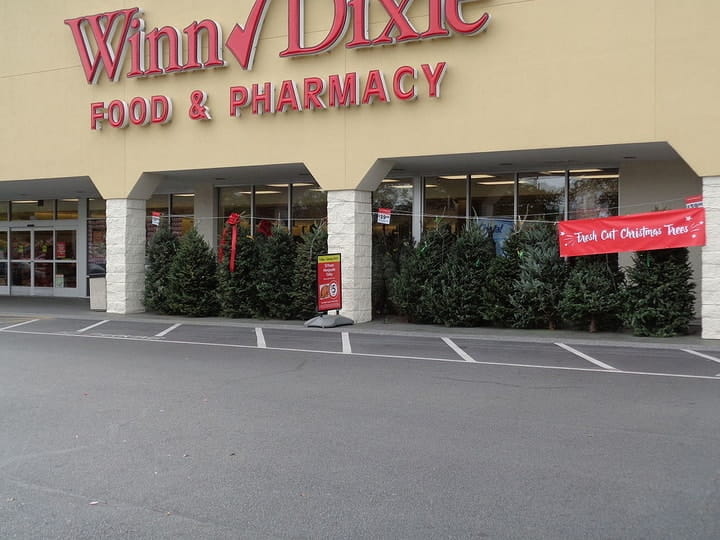
Winn-Dixie and Bi-Lo are both subsidiaries of Southeastern Grocers. The company applied for bankruptcy protection to restructure the debt it owes. It shut down nearly 100 stores and got rid of $600 million in debt. The company now wants to rebrand and remodel the stores still in operation. Hopefully, this will improve things even though the company is having difficulties coping with competition from other big-box stores and Amazon.
Southeastern Grocers
Nine West
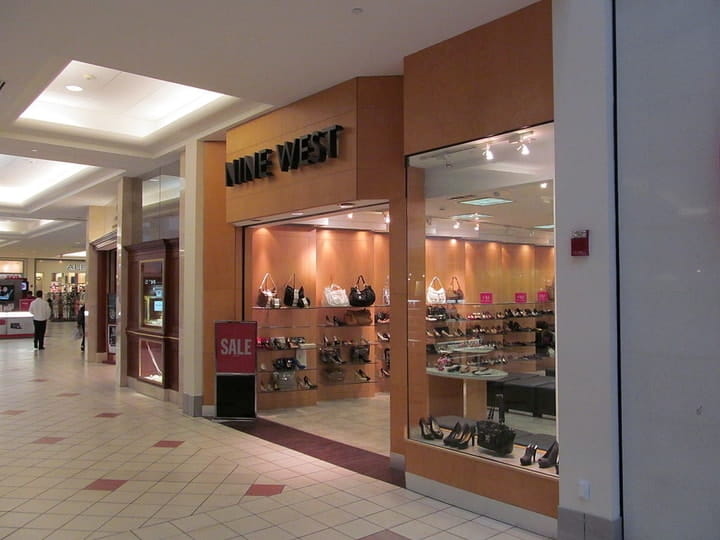
Nine West is a footwear retailer with a debt of $1.5 billion. It is currently trying to negotiate and restructure this. Among other things, the company filed for bankruptcy and sold a number of assets. It has let go of the brand Easy Spirit and ceased operations in nearly all stores but 25. The Washington Post says that it now plans to focus more on jewelry and clothing lines instead of footwear.
Nine West
David’s Bridal
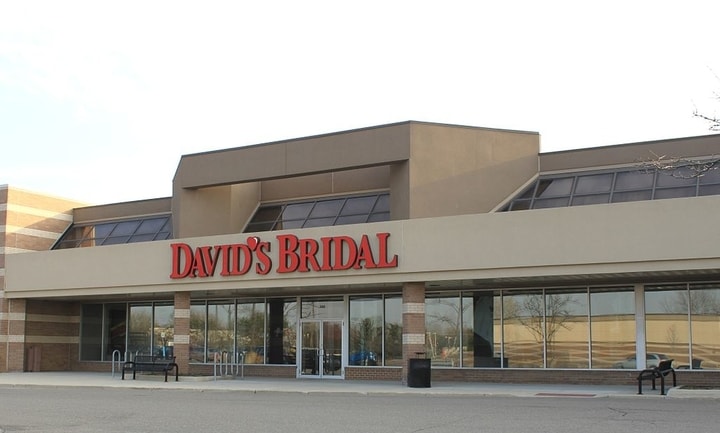
David’s Bridal is struggling with the fact that fewer brides are interested in traditional weddings. This has resulted in its sales decline. CheatSheet reported that the wedding gown retailer has a loan of $520 million due this year and then $270 million due in 2020. Current CEO Scott Key is likely planning to refinance the debts. Sadly, the credit rating of the company went down in June 2018 as well.
David’s Bridal
Bon-Ton
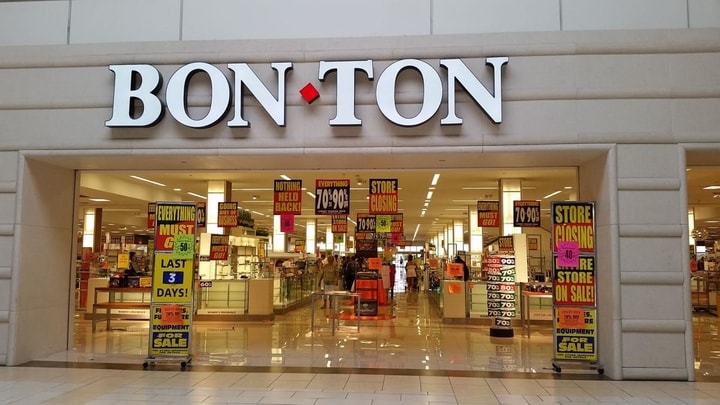
Bon-Ton might have been around for a hundred years, but all good things must come to an end. The online retailer and department store chain applied for bankruptcy last year. It was sold and liquidated but relaunched its e-commerce site last October 2018. It is planning to reopen a number of stores! USA Today said, “The reinvented Bon-Ton would be sleeker, more e-commerce focused business.” First opened in 1898, it was successful in small towns since there was no competition before Amazon arrived.
Bon-Ton
Tops Market
Tops Market cited a common reason in bankruptcy filing when it applied for protection: failure to cope with changing consumer interests. It failed to adapt to the rise of non-traditional sellers, competition, and declining food prices. Shoppers can still head on to Tops because there are still stores open in New York, Pennsylvania, and Vermont. The Buffalo News said that its creditors freed it from an $80 million annual interest that was due in 2017. We hope that this will make things easier for the company!
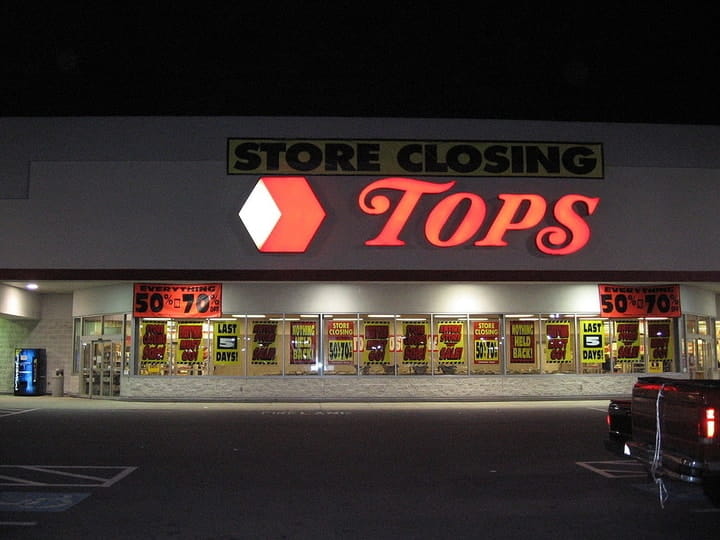
Tops
Cole Haan
Cole Haan was included in the USA Today list of 26 at-risk companies in 2018. The company tried to adapt to the popularity of athletic shoes by focusing on sneakers over dress shoes. Previously owned by Nike, Apax Partners brought the luxury footwear line in 2013. It had to let go of the famous comfort technology used by its former parent company. On top of that, it had to compete with it now as well!
Cole Haan
Charlotte Russe
In March 2019, Charlotte Russe started to liquidate and stop operations in its stores. It declared bankruptcy in February 2019 but originally wanted to shut down 94 retail stores back then. A liquidator won the auction in bankruptcy court, which is why IT shot up to 500 stores. One factor in its downfall might be the fact that its stores were located in malls. We all know that they are no longer popular!
Charlotte Russe
Claire’s
Claire’s was an institution of American girlhood. This was the place girls went to if they wanted to get their ears pierced and buy accessories and jewelry. First opened in 1961, the store might not live on for much longer. It ceased IPO and applied for bankruptcy in March 2018. It plans to decrease its debt by a whopping $1.9 billion. In May 2018, it closed 130 stores. It is now hoping to find buyers and investors.
Claire’s
FullBeauty Brands Holdings Corp
FullBeauty owns several brands that cater to plus-size consumers. The retailer has also placed the blame on Amazon for its plummeting sales. Apax Partners owns FullBeauty and mentioned this when it spoked to the lenders back in 2017. It reported to its lenders that the revenue went down by 30 percent during Q1 of 2017. The company went through executive changes in July 2018. It introduced its new CFO Bob Riesback, new CCO Liz White, and new CPO Robert Lepere. Can they make things any better?

FullBeauty
Eddie Bauer
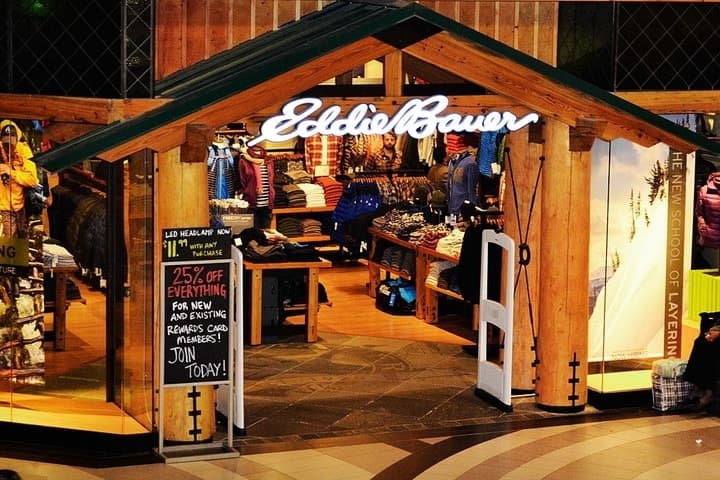
Eddie Bauer is an outdoor company with terrible debt problems. In 2017, its owners Golden State Capital thought of selling it to get rid of financial problems. Its credit ranking also went down. In 2009, it was dealing with the same thing in 2009 until it was acquired by Golden State Capital. Nasdaq reported that the company failed to adapt to new trends. The stock exchange is not worried since it will likely just merge with Pacific Sunwear anyway!
Eddie Bauer
Bluestem Brands
Bluestem Brands sells beauty products, health items, electronics, apparel, and appliances. It owns a number of e-commerce sites as well. It was part of the list of at-risk companies that Business Insider released. It turns out that Bluestem showed that its net sales went down by 10.9 percent in 2017. However, this did not yet take into account the exited businesses that minimized the drop to 5.1 percent. What will the company do next about its current situation?

Bluestem
PetSmart Inc.
PetSmart Inc. runs operations in more than 1,500 stores across North America. However, the retailer of pet products needs to restructure its debts that total $8 billion. Reuters reported that they will only mature in 2022, however. Its problem is rooted in the fact that people are turning to online shopping, which is generally more affordable and convenient. It has decided to buy an e-commerce site called Chewy for $3.35 billion. While this looks like a step in the right direction, it also added to the company’s expenses. This amount is also the highest ever spent on e-commerce!
More and more consumers are turning to e-commerce these days as it is more convenient and it sometimes offers cheaper prices. PetSmart is also affected by this trend and experienced some difficulties because of it. PetSmart did buy Chewy, an e-commerce site, but the $3.35 billion expense for the site added another burden to its existing debt. Reuters reported that it was the highest amount a company ever spent on an e-commerce site.
PetSmart
Payless
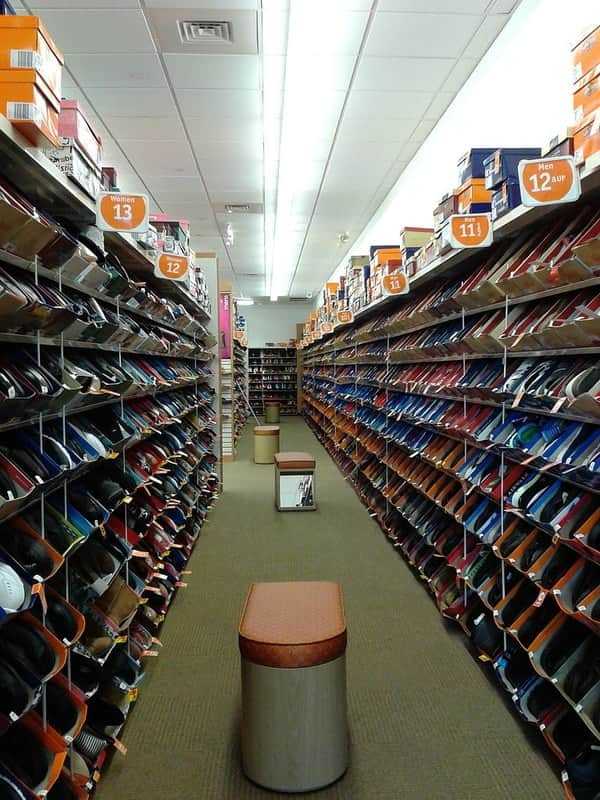
Payless applied for bankruptcy protection in 2017. The shoe retailer also had to lay off jobs and close hundreds of stores. The good thing is that the company bounced back after a reorganization in August 2017. S&P Capital Markets still say that nonpayment is still a possibility. CEO Paul Jones said this in 2017: “We have accomplished our goals of strengthening our balance sheet and restructuring our debt load, positioning Payless to create substantial value for our stakeholders.”
Payless
BKH Acquisition Corp.
BKH Acquisition Corp. runs over 100 Burger King stores in Puerto Rico. However, it joined other companies in the Distressed Company Alert released by New Generation Research. The company received a “low rating” and had its credit rating drop down from B- to CCC+. Olya Naumoya said that the issues of the company lie in its credit crisis as well as the economic vulnerabilities of the area.

BKH Acquisition Corp.
Mattress Firm
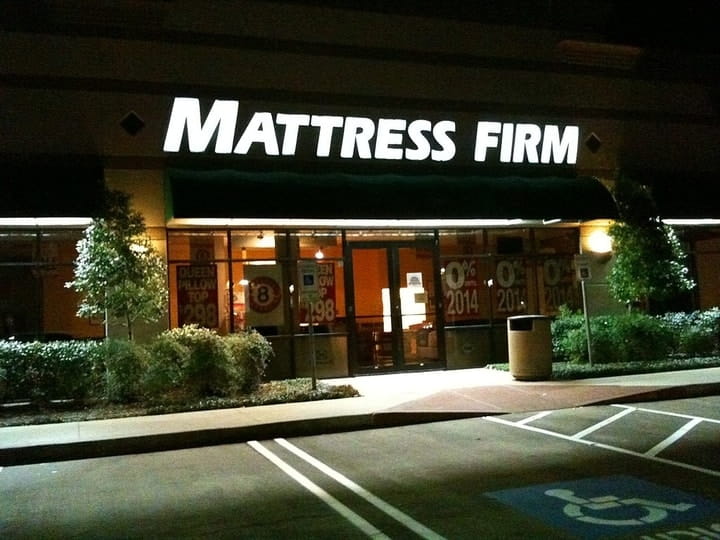
Mattresses are important, but could it be that people are buying theirs from a different store now? Mattress Firm applied for bankruptcy protection on the 5th of October in 2018. It was having a hard time financially thanks to “an onerous store footprint” and its accounting scandal. Mattress Firm announced its plans to shut down 200 stores and then sell 700 more. Hopefully, terminating these leases and restructuring the business will help it out.
Mattress Firm
National Stores
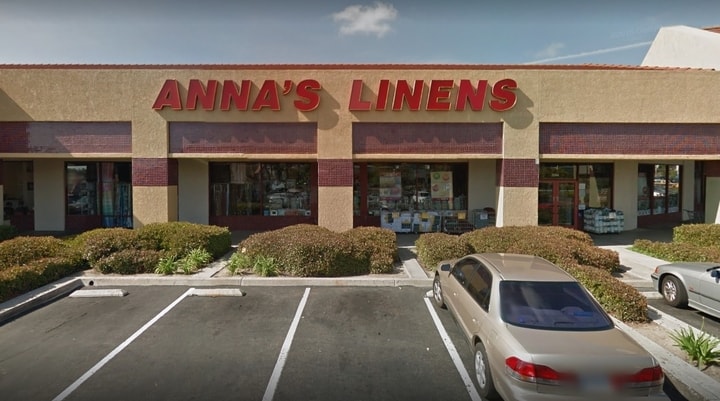
National Stores owns brands such as Anna’s Linens, Conway, and Fallas. It applied for bankruptcy in August 2018, which led to the closure of 74 stores in the U.S. and Puerto Rico. Many speculate that National Stores took on too much debt after its acquisition of various brands over the years. Doing so has dragged the business to the ground. We are sure that its stores in open-air and stand-alone shopping center did not make matters any easier.
National Stores
Gump’s Holdings
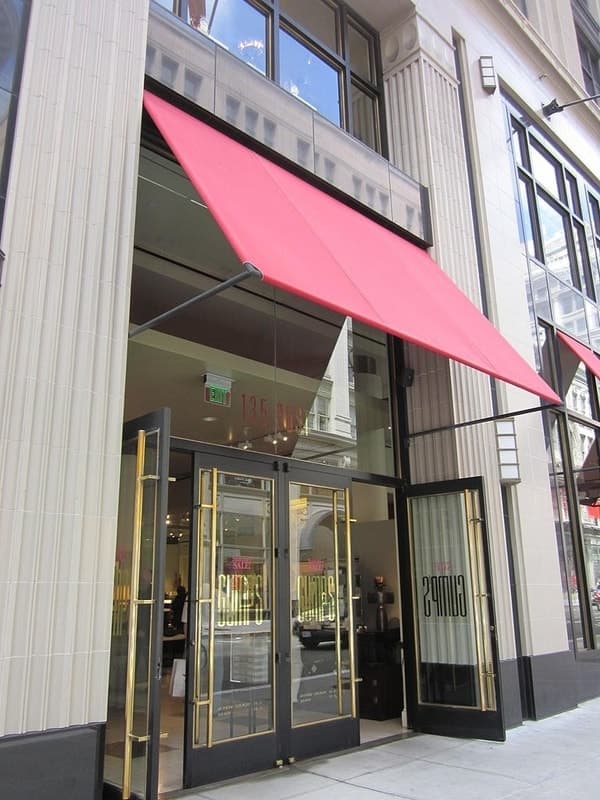
At the moment, Gump’s Holdings is liquidating its stores. After failing to find a buyer, the company filed for bankruptcy in August 2018. The press release said that the business had a hard time thanks to an “overwhelmingly difficult retail environment”. Gump’s By Mail was its effort to go against Amazon, but this feat was simply too difficult. It is still holding out hope that a buyer will come, so it will be operating until then. It already asked the help of liquidators for help with merchandise and repayment.
Gump’s
Brookstone
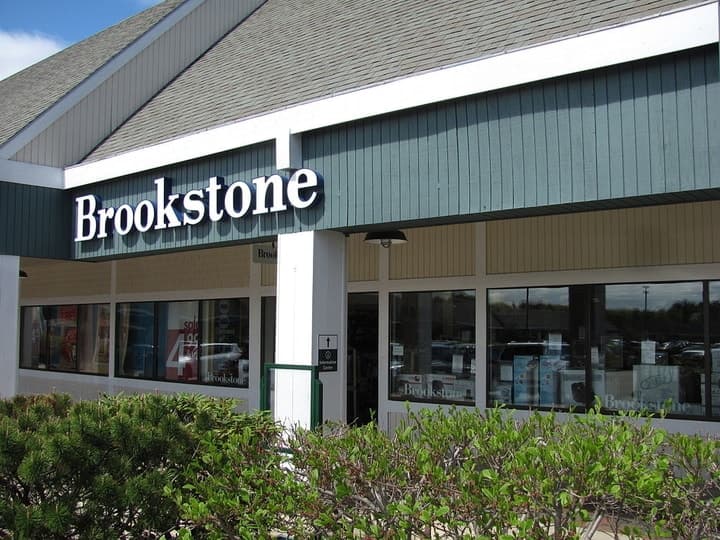
Brookstone applied for bankruptcy in August 2018. The plan was to shut down 101 stores across the U.S. Famous for home items and tech products, the company is on the lookout for a buyer as well. However, it is only planning to sell the wholesale operations, airport stores, and e-commerce businesses. We hope that things turn out well for this beloved company!
Brookstone
Rockport
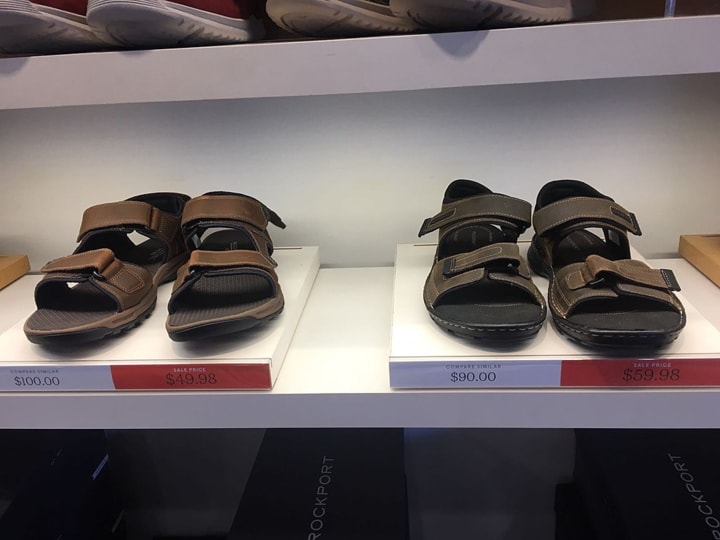
In May 2018, Rockport Group applied for bankruptcy. By July 2018, the footwear retailer was acquired by a private-equity group called Charlesbank Capital Partners. It hopes to make a comeback. Its new parent company has subsidiaries like Papa Murphy’s Take ‘N’ Bake Pizza, Princeton Review, and Drug Mart stores. That is one diverse portfolio, isn’t it?
Rockport
The Walking Company
The Walking Company applied for bankruptcy as well. The retailer of comfortable walking shoes did this in March 2018. We do not know if it is a good thing that this was not the first time this happened for the shoemaker. In fact, it also filed for bankruptcy ten years ago. At any rate, it managed to emerge out of bankruptcy in July. Whew!

The Walking Company
Kiko USA
Kiko USA is a subsidiary of Kiko Milano. In January 2018, the cosmetic product retailer applied for bankruptcy. It hoped to shut down nearly all of its stores across the country to solve its financial issues. There are around 30 stores in the U.S. and most of them are found in shopping malls. While Kiko USA is in hot water, business is good in other parts of the globe. The company is now talking to landlords to renegotiate and terminate leases as necessary.

Kiko USA
A’gaci
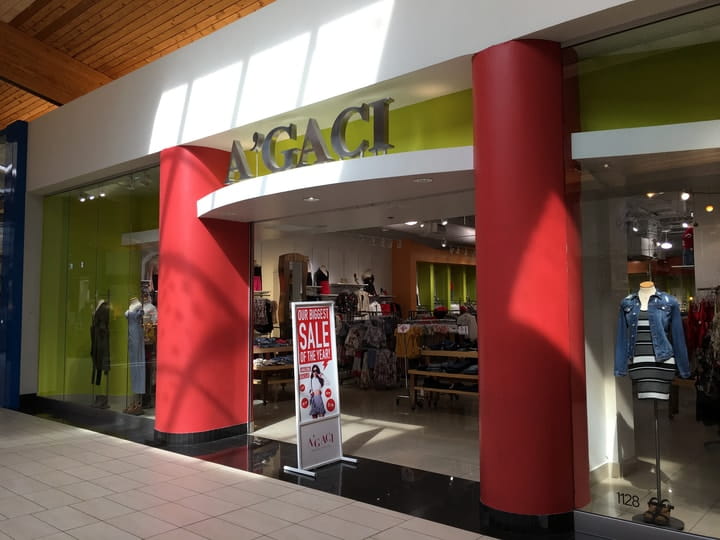
In January 2018, A’gaci also filed for bankruptcy. The womenswear retailer had been working on the renegotiation of 49 leases. During the press release, the company admitted that they spent two-thirds of expenses on rent. The company managed to come out of bankruptcy in the summer of the same year! The good news is that they retained 55 stores as well as 1,500 employees. This Texas-based company received approval on a $12 million loan in June. Good times are coming for A’gaci!
A’gaci
Toys R Us
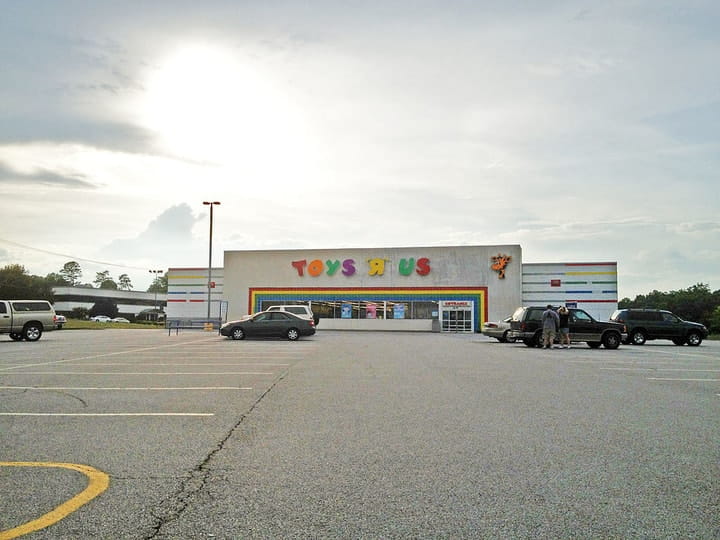
We doubt you could have missed this news when the media feasted on its financial Troubles. In 2018, Toys R Us applied for bankruptcy and announced its plans to liquidate all stores. The toy retailer held clearance sales in 735 stores across the country. Business Insider wanted to close the stores right away to avoid paying the landlords some more. However, the owners canceled the bankruptcy auction at the end of that year. Could they be working on a comeback?
Toys R Us
Bertucci’s
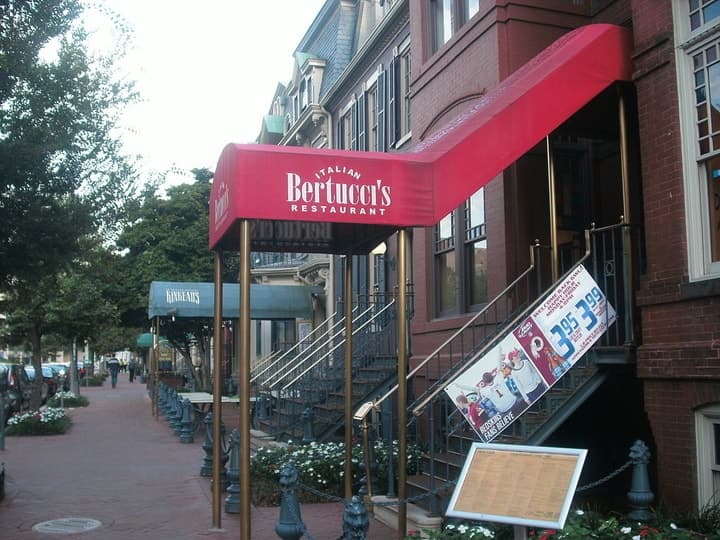
Bertucci’s is a casual chain of Italian restaurants. In the spring of 2018, it applied for bankruptcy. It shut down 15 locations in April. The company sighed in relief when it was acquired by Orlando-based Earl Enterprises for the price of $20 million. This can be brown down into $4 million in credit, $13 million in debt, and $3 million in cash. Biz Journals also spoke of the difficulty the Italian restaurant chain had when dealing with competitors.
Bertucci’s
Gymboree
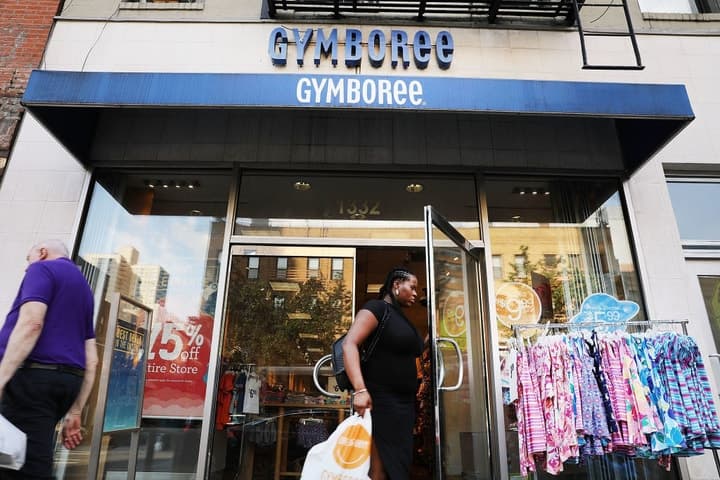
Gymboree is a children’s wear retailer. It applied for bankruptcy in January 2019. In the filing, it mentioned its plans to halt operations in all Gymboree and Crazy 8 stores. However, things changed for it in March. It was acquired by another children’s product retailer: Children’s Place. Aside from that, the Gap bought the intellectual property of Janie and Jack, the website, the customer data, and more.
Gymboree
Diesel USA
Diesel USA filed for bankruptcy on the 5th of March in 2019. The bankruptcy court documents revealed that the decline in wholesale orders happened because of a “general downturn in the brick-and-mortar retail industry.” The slow net sales, high leases, and cases of fraud and theft did not help either. It said that it wanted to relocate to places “with a smaller footprint.” Other methods include the launch of a pop-up shop in Miami and new stores in strategic locations.

Diesel
Imerys Talc America Inc.
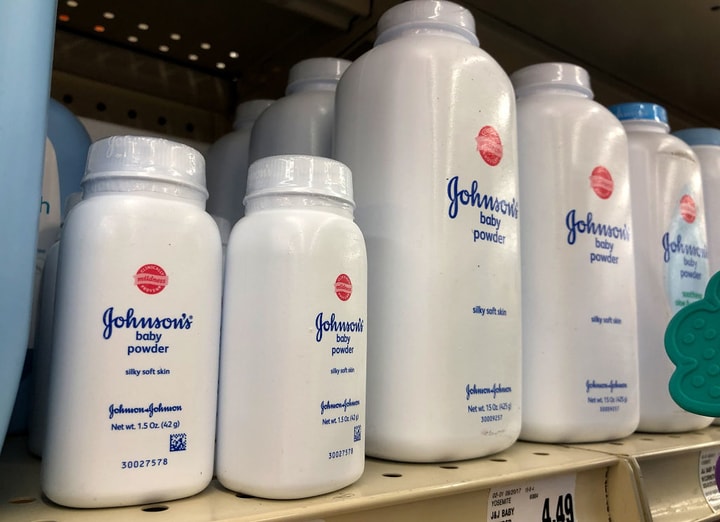
Imerys Talc America Inc. is the company that has been supplying talc powder for Johnson & Johnson’s. It seems like it might no longer be on the ingredient list soon. Together with the Canada and Vermont subsidiaries, Imerys Talc America Inc. applied for bankruptcy in February 2019. Its downfall happened after it had to deal with more than 14,00 claims in the United States. Many women blame its talc powder for causing ovarian cancer and mesothelioma.
Imerys
Pacific Gas and Electric (PG&E)
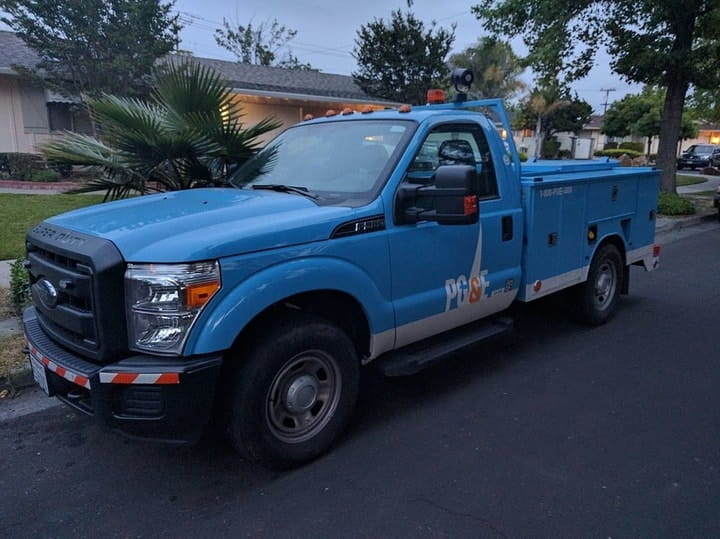
As a result of the 2017 and 2018 wildfires in California, Pacific Gas and Electric decided to file for bankruptcy on the 29th of January in 2019. However, it still hoped to get the approval for $235 million in employee bonuses. California’s Senator Jerry Hill said, “$235 million would go a long way to support the victims of last year’s wildfires.” The filing placed the wildfire victims and creditors in limbo, so this does not very fair!
PG&E
Things Remembered
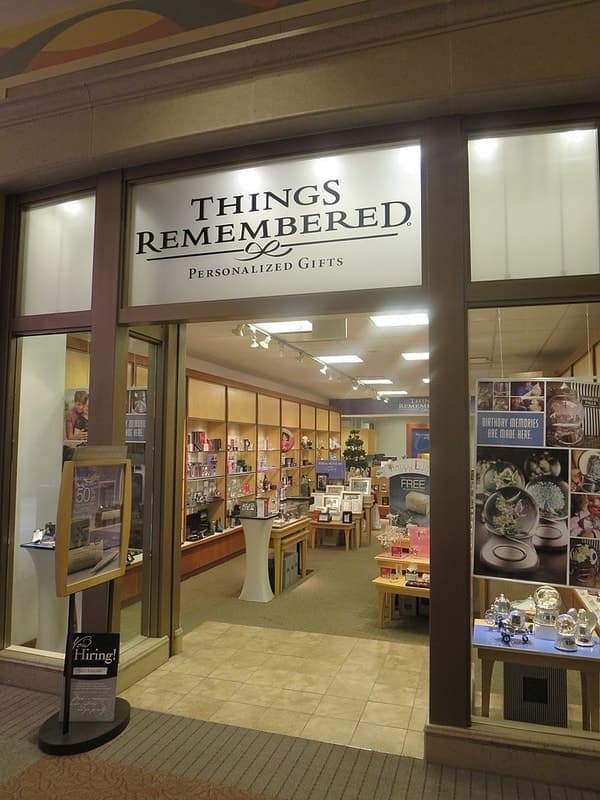
Will things remembered become things forgotten? Even though it filed for bankruptcy on the 6th of February in 2019, you will still be able to buy personalized keepsakes if you want. The company was acquired by Enesco in March 2019! We are happy to hear that the following will retain its original name: direct mail, B2B retail operations, online businesses, and 176 locations.
Things Remembered
Innovative Mattress Solutions
Innovative Mattress Solutions filed for bankruptcy on the 14th of January in 2019. It owns Mattress Warehouse, Sleep Outfitters, and Mattress King. There was some confusion after the announcement. A company that also went by Mattress Warehouse had to clarify, “This filing of Chapter 11 bankruptcy has no bearing on the Mattress Warehouse (sleephappens.com) organization or their relationships with their vendors.” In January 2019, Innovative Mattress Solutions plan to close 142 stores.

Innovative Mattress Solutions
Z Gallerie
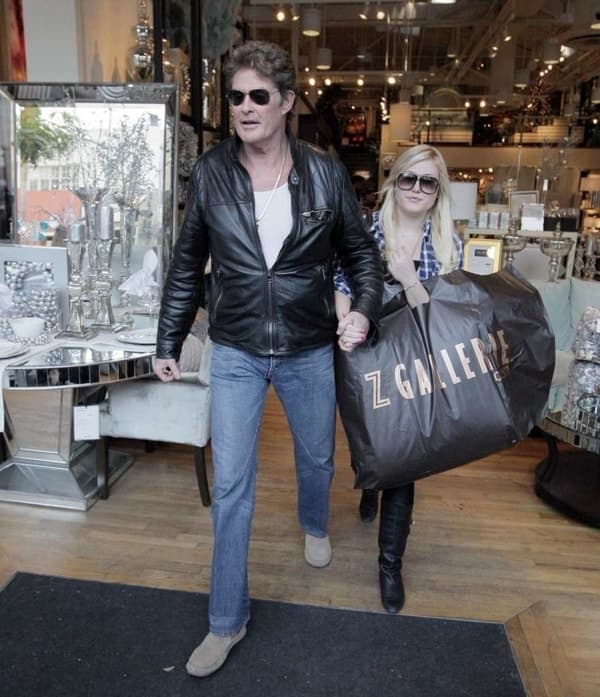
Z Gallerie applied for bankruptcy on the 11th of March in 2019. It allegedly happened thanks to self-imposed problems, which is a common reason cited in bankruptcy filings. The home furniture retailer wanted to shut down 17 stores and sought out buyers to prevent liquidation. SF Gate said that Z Gallerie would have fared better if invested less on expensive distribution centers and more on e-commerce. The problems lie in the fact that they did not meet performance goals despite the expansion. Z Gallerie requires a quick proceeding to prevent forced liquidation and futile reorganization attempts.
Z Gallerie
Beauty Brands
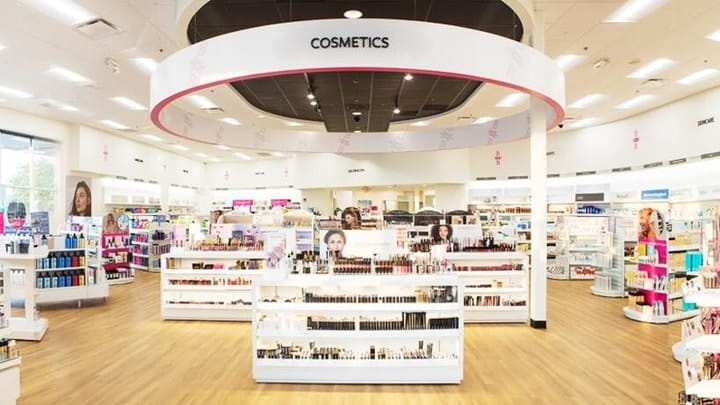
Beauty Brands filed for bankruptcy on the 4th of January in 2019. Kansas City Star said that it planned to sell its assets. In an article from January 23, it said McDonalds Happy Meal creator Bob Bernstein was interested in buying the company. The advertising icon was the “stalking horse bidder”, even edging out Hilco Merchant Resources for the title. The truth is that Bernstein is the one to launch the company! We shall see how this will go for the beauty company.
Beauty Brands
Shopko
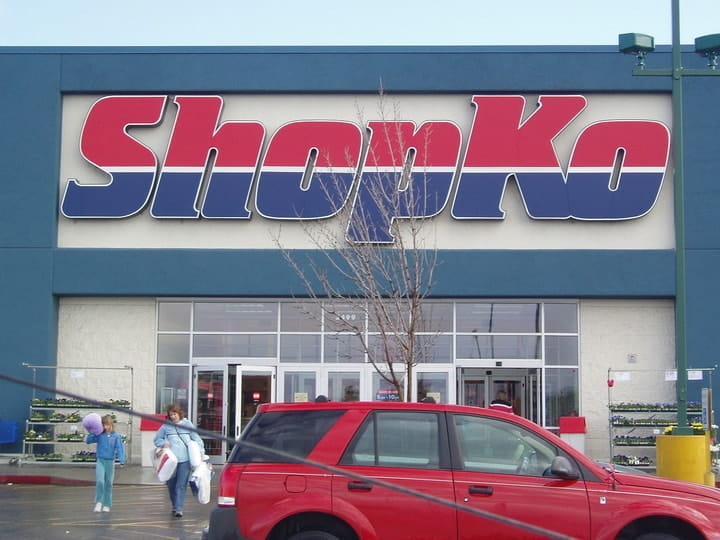
According to Business Insider, Shopko filed for bankruptcy on the 16th of January in 2019. It wanted to shut down 70 percent of all retail stores from February to May 2019. The reorganization was part of the plan as well. It closed 251 stores in February. Did you know that it has to issue a Worker Adjustment and Retraining Notification Act in the states of Wisconsin and Illinois? Spokesperson Michelle Hansen also said, “Through our conversations with the potential buyers, it has become clear that it is in our best interest to operate with a significantly smaller store footprint.”
Shopko
The Weinstein Company
There was no way that you have not heard about the #MeToo movement, which started after allegations against Harvey Weinstein came out in October 2017. He was accused of sexual misconduct by women like Ashley Judd, Rose McGowan, and more. The Weinstein Company ended up filing for bankruptcy in March 2018. Two months later, it was acquired by the Dallas-based private-equity firm called Lantern Capital Partners. According to the New York Times, the payment involved $310 million and the assumption of debt worth $115 million. Even though the firm did not dabble in Hollywood before, there is always a first time for everything!

Weinstein
Macy’s
Usually, when Macy’s announces store closings, it’s after the holiday season. However, this year, they already announced that a bunch of stores will be closing. Twelve locations have shut down in 2018 and in 2019, more than four locations are closing for good. While Macy’s is still making good money overall, they have to be careful about where they’re spending. Due to this, they’re starting to close stores that aren’t making enough money for them.

Macy’s
Nordstrom
This might be surprising to a lot of people, especially those Nordstrom lovers. Instead of investing money is saving their physical stores, Nordstrom is using more of their time and energy in their Nordstrom Rack locations as well as their e-commerce site. All the same, the company is opening a flagship store in New York City that will span over seven floors! You might not notice many Nordstrom stores closing, but they are, just quietly.

Nordstrom
Target
Before anyone gets too worried, Target isn’t going anywhere. Over six locations have closed in 2019. In 2018, 13 locations closed, and the year before it was 12 fewer stores. Just because stores are closing, doesn’t mean the entire chain is in danger. Target is opening 30 new – smaller – locations this year. Not to mention, they’re remodeling about 300 of the large locations over the next few years.

Target
Lord & Taylor
America’s oldest department store, Lord & Taylor, is still struggling a little bit. In 2019, they closed nine of their stores, including the loved flagship store on Fifth Avenue in New York City. A lot of people reckon that part of the company’s struggle is due to the fact that most of their stores are in shopping malls. As we all know, shopping malls are struggling in general. As a last-ditch effort, Lord & Taylor is partnering with Walmart.

Lord & Taylor
Topshop
The British fashion chain, Topshop, made its grand entrance into America back in 2009 and was warmly welcomed. After being in the States for just 10 years, the company is shutting down all its physical stores, even in cities like Chicago, Los Angeles, and Miami. While they don’t have any more physical stores in the U.S., you can still shop online and in most Nordstrom stores.

Topshop
Barneys New York
The luxury department store has officially filed for bankruptcy. In 2019, it closed over 15 stores. Just like a lot of other retail stores, Barneys says their profits have taken a huge dip lately since people are shopping more online, especially for high-end items. For now, Barneys will keep its iconic New York locations open, but no one knows what the future holds for this company.

Barneys New York
Walmart
The huge retailer shut down at least 18 locations in 2019. Due to this, there are hundreds of employees who are now jobless. Out of the 18 stores, ten of them include neighborhood market stores, two are on-campus stores, and six are full-sized Walmart locations.

Walmart
Francesca’s
The women’s clothing and accessories chain has been struggling for a while now. The prices aren’t exactly attracting customers. This is one of their biggest problems. Getting people in the store is the first step, and the company isn’t doing too well with that. No wonder their sales are low. In 2019, 40 of their stores will be closed across the country.

Francesca’s
CVS
When you hear that CVS shut down 46 stores in 2019, that sounds rather alarming. That is until you hear that they’re shutting down 46 of their 9,600 stores. CVS wanted to close some of their “underperforming” branches, which makes sense. One of the stores cut is the largest CVS in the States, a 64,000 square foot location in Missouri. Despite all the stores shutting down, CVS is alive and well for now.

CVS
Kmart
In the 1960s, Target, Walmart, and Kmart all opened their retail chains and were seen as banding together. However, soon there might be only two competitors in the game. Kmart has shut down over 150 locations in 2018, with no plans of stopping in 2019. In 2000, Kmart had over 2,200 stores in the United States. Today, less than 200 are still open.

Kmart