
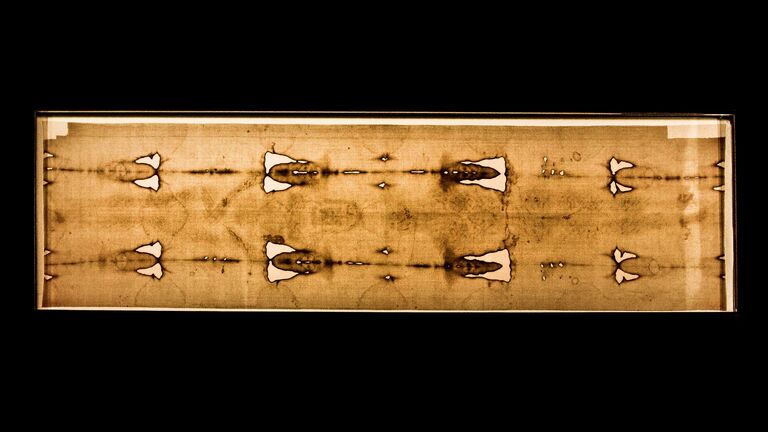
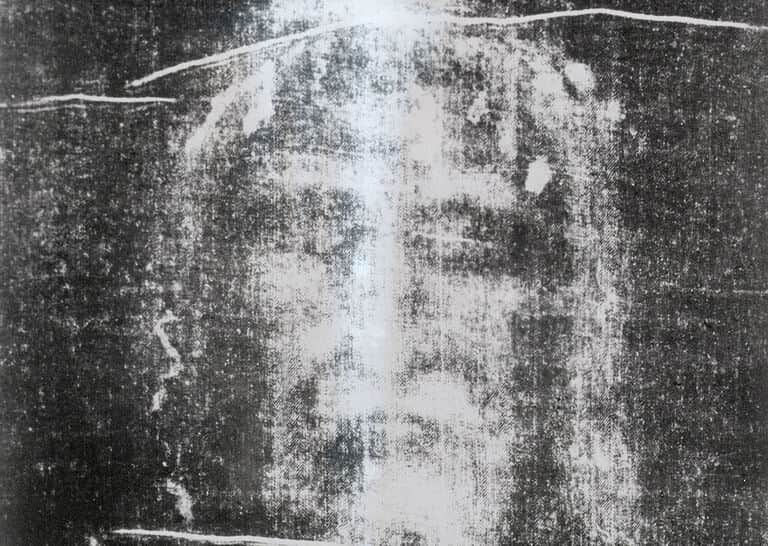
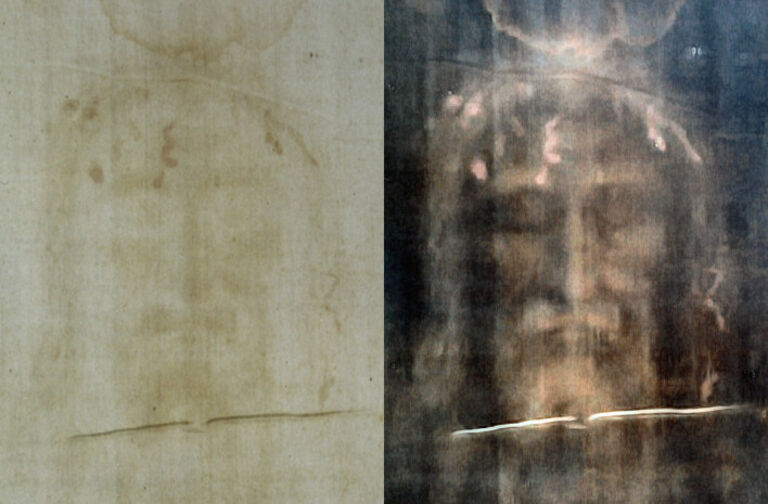
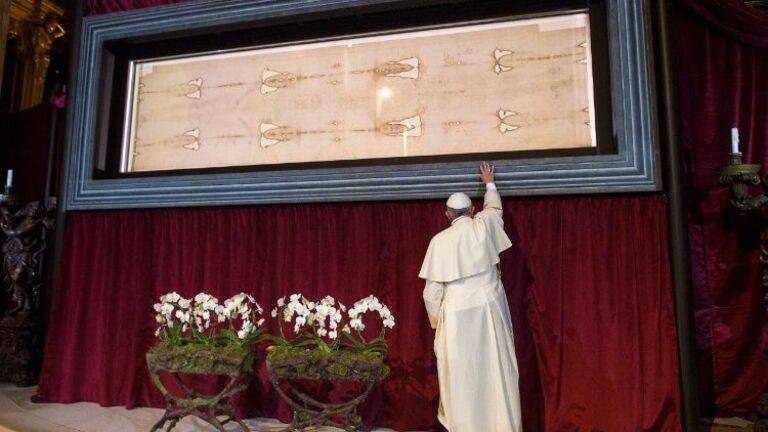
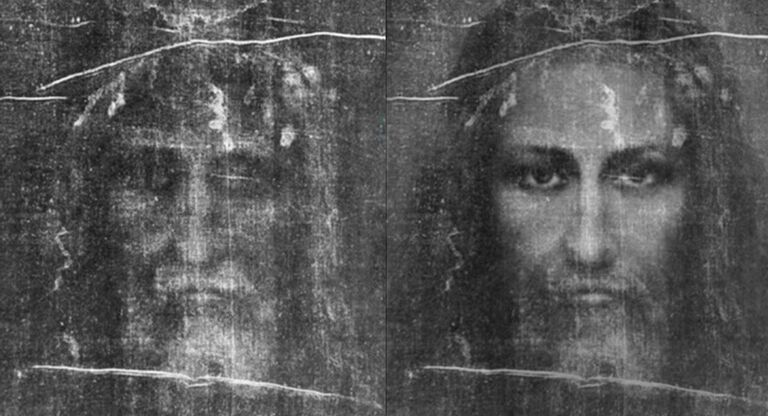
Many people believe that the Shroud of Turin depicts the face of the Messiah, Jesus Christ. This has to be one of the most well-known historical artifacts right now. However, there are numerous rumors about it. A new study studied DNA samples taken from the shroud. You’d think that this would help resolve things, but it really added to the mystery! Let’s see what they discovered about the sacred relic… For those who are unfamiliar, the Shroud of Turin is a piece of cloth with bloodstains on it. It also bears a faint imprint of a masculine body. Every year, thousands of people visit it. After all, this is claimed to be the same fabric that covered Jesus Christ’s body before his Resurrection.
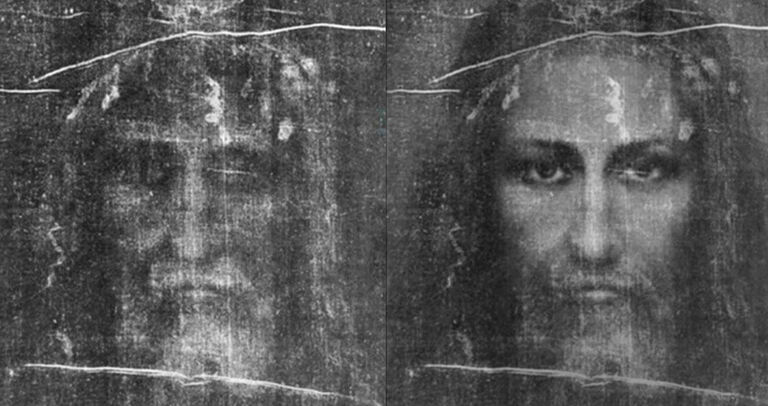
DNA Test Results Reveal Startling New Information About The Shroud Of Turin
It Has A Long History
The shroud has become so well-known because it is the subject of a large biblical legend. This piece of cloth was claimed to have originated from Christ’s grave. From Judea to Constantinople, the Shroud of Turin was transported. It was preserved and kept secure there for numerous centuries until it was discovered again.
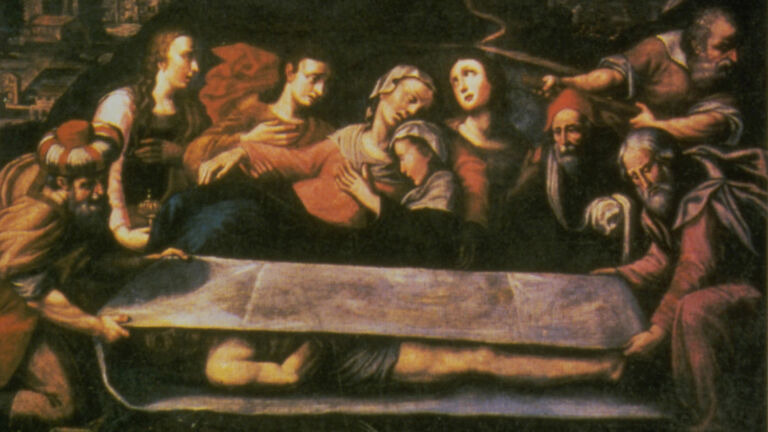
It Has A Long History
Nobody Expected It To Be There
It first appeared in 1353 in a little chapel in the French town of Lirey. But the truth is that no one knows how it got there in the first place. In any case, the Catholic Church only publicly acknowledged its existence when it appeared in such an unusual spot.
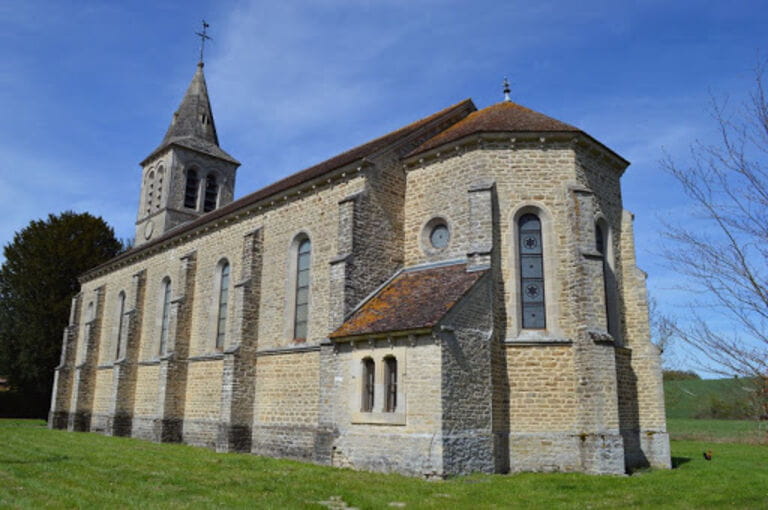
Nobody Expected It To Be There
Tracing The Shroud’s History
The Catholic Church ultimately granted permission to examine the shroud in the 1980s. Scientists tested the cloth using radiocarbon dating equipment and determined that it was created between 1260 and 1390. The suggestion is that this is a forgery. Of course, this did not sit well with some folks.
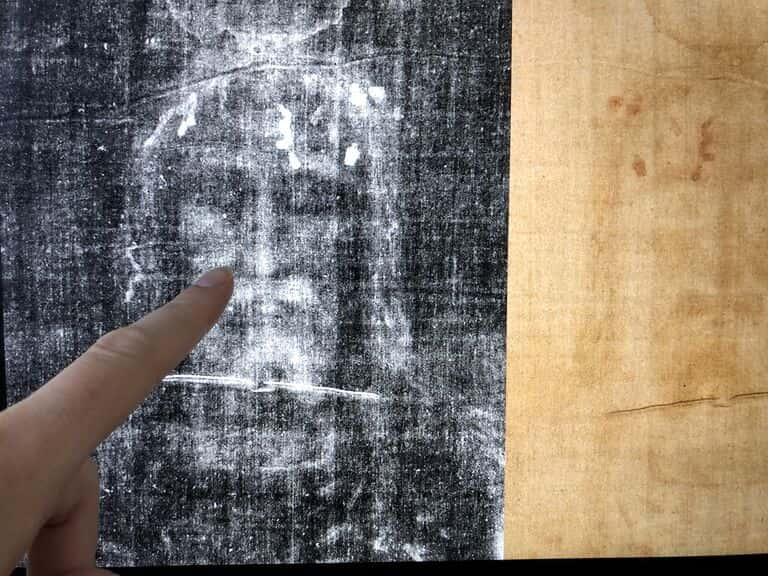
Tracing The Shroud’s History
The Outcomes Were Doubtful
As you may expect, this irritated a lot of people. Both critics and religious zealots alleged that researchers depended on veil patching. Individual pieces of fabric, you see, may have varied ages depending on when they were manufactured. This could result in an incorrect estimate.

The Outcomes Were Doubtful
A Wave Of Neutrons
According to Matthew’s Gospel, after Jesus died, “the earth shook, the rocks split, and the tombs burst open.” This could indicate that a massive earthquake occurred. According to geologists, a strong one might unleash a wave of neutrons, which could lead to an erroneous radiocarbon dating technique.
A Wave Of Neutrons
They Extracted DNA From It
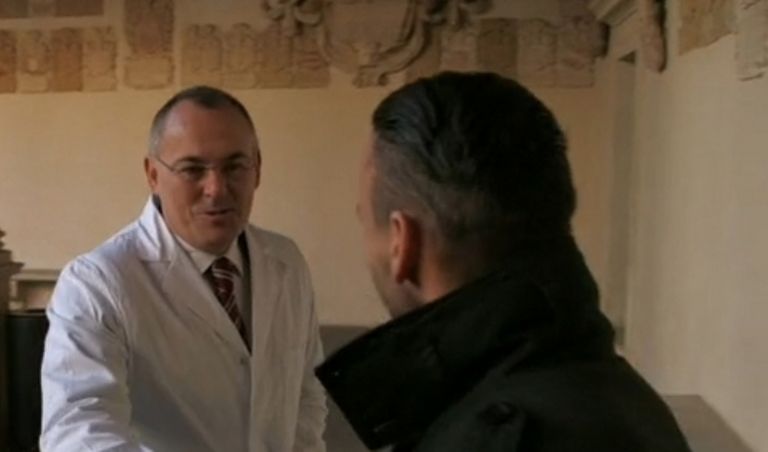
A team lead by a geneticist named Gianni Barcaccia conducted a study in 2015. They collected dust off the shroud and studied the sample. The dust particles included not only plant DNA but also human DNA! Could it have genuinely belonged to Jesus Christ?
They Extracted DNA From It
From Around The World
Barcaccia isolated the sample and then sequenced it. He relied on human mitochondrial DNA, which a child gets from his or her mother. According to the findings, the clothing was touched at some point by persons from East Africa, North Africa, and China! It’s amazing that they were able to track all of it down.
From Around The World
DNA From Both Plants And Humans
Aside from what scientists learned from human DNA, plant DNA provided a rich lineage as well. It appears to include DNA from all around the world. The shroud included samples of European spruce trees, Mediterranean clovers, East Asian plum trees, and North American trees, among other things.

DNA From Both Plants And Humans
It Was Near Enough
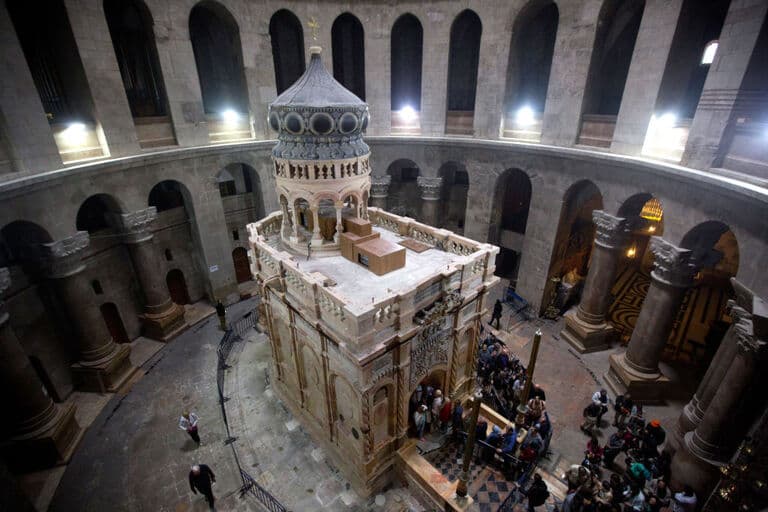
In any event, the most notable ones originated in the Caucasus and the Middle East. That could be an indicator of where it came from. Indeed, it is hardly a stretch to speculate that it emanated from somewhere near the reputed tomb of the Messiah himself.
It Was Near Enough
An Abundance Of Human Haplotypes
Barcaccia revealed an intriguing fact concerning a certain haplotype discovered on the fabric. The team discovered that one of the most prominent appeared to be from the Druze community. If you’re unfamiliar with it, it’s an ethnic group whose roots can be traced back to the Middle East.

An Abundance Of Human Haplotypes
The Fabric Had Indian Origins
It’s worth noting where the oldest fragments of DNA on the Shroud of Turin came from. According to the findings, they had lineages found exclusively in India. That bit of information caught me off guard. This signifies that the fabric was created in India. It somehow ended up in Europe.
The Fabric Had Indian Origins
Those Who Came Across It
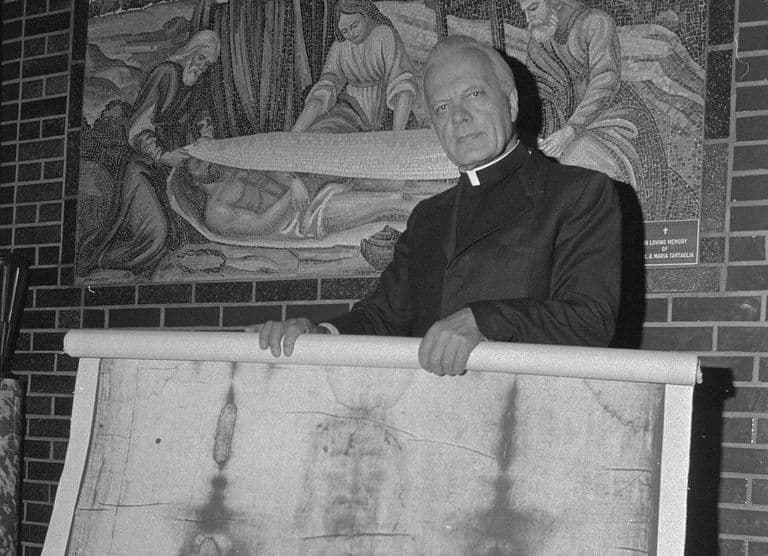
Barcaccia recently gave more insight into the situation. “In my opinion, it is difficult to believe that in the past centuries… different subjects — such as priests, monks, or nuns… of Indian ancestry — have had the possibility of coming into contact with the shroud in France and/or Turin,” he said in an interview.
Those Who Came Across It
The Turin Shroud British Society
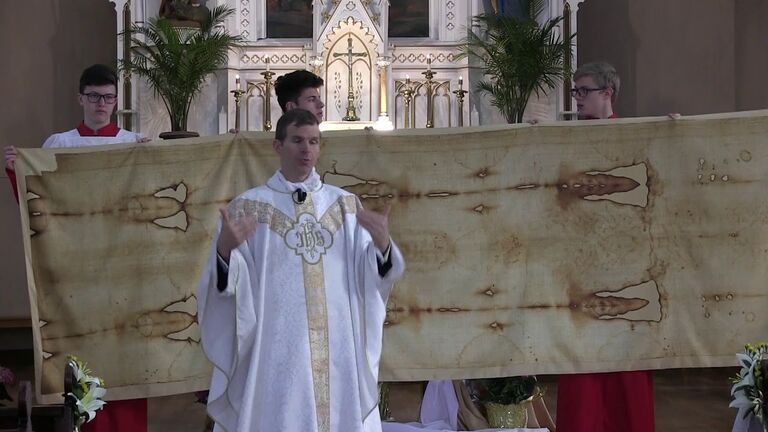
We are not shocked that the analysis’s findings have been called into question. Hugh Farley is the editor of the British Society of the Turin Shroud’s newsletter. He stated that the findings are insufficient to settle the issues concerning the shroud’s legitimacy.
The Turin Shroud British Society
They Did An Excellent Job
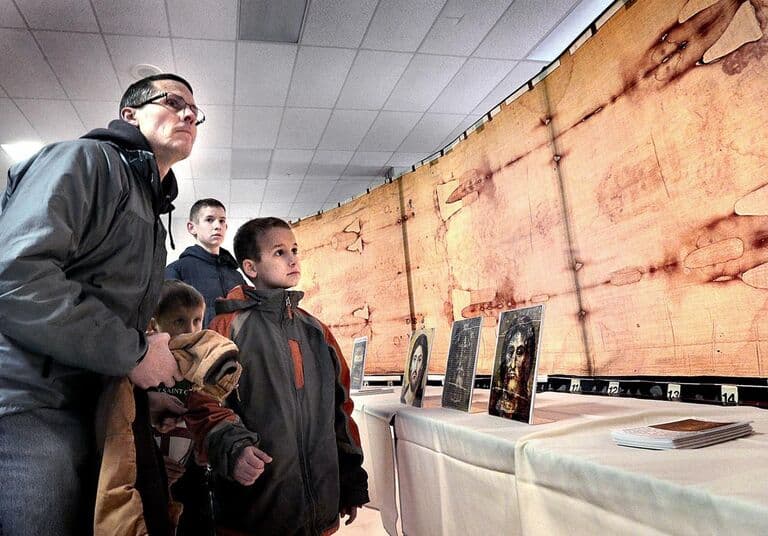
Hugh Farley made it a point to say that the researchers have done their best. The issue is that it is insufficient. “They’ve done a good job, and they’ve identified a number of species that mean nothing at all,” he said. He does not believe it has produced conclusive effects.
They Did An Excellent Job
What A Geoscientist Had To Say
On the other side, we have another critic in the form of Renee Enevold, a Danish geoscientist. She said that prior pollen examinations on the fabric had been untrustworthy. It has been identified as a problem. She doesn’t believe the plant DNA has been linked to the true source.
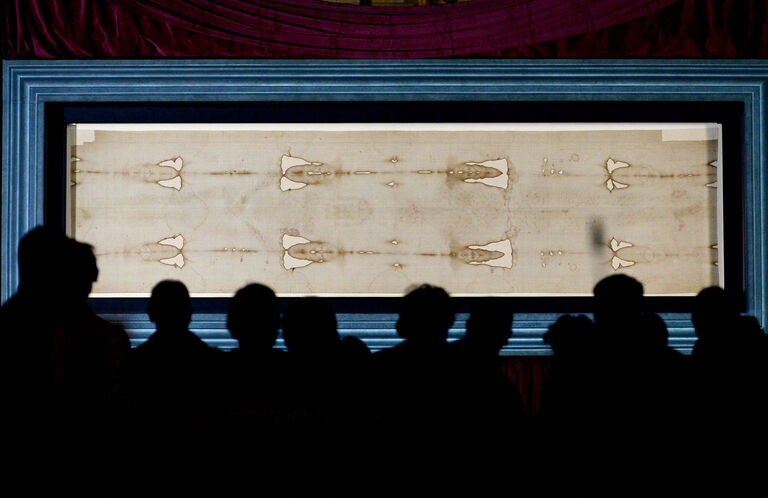
What A Geoscientist Had To Say
It’s Been On Display For Quite Some Time
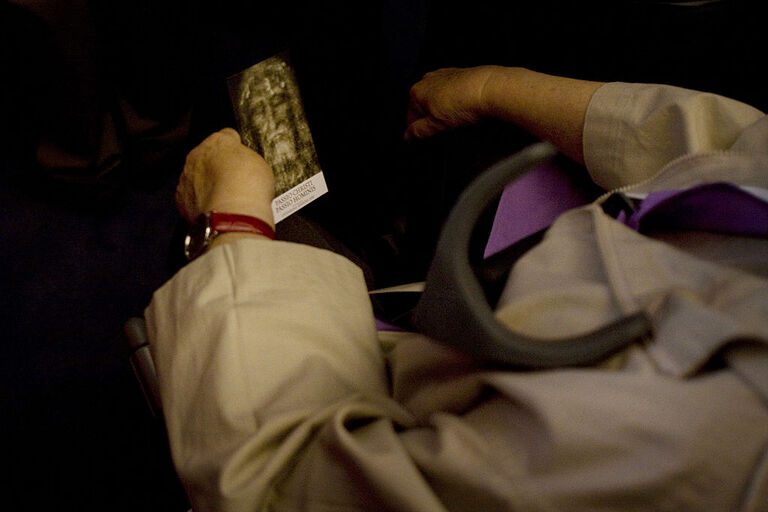
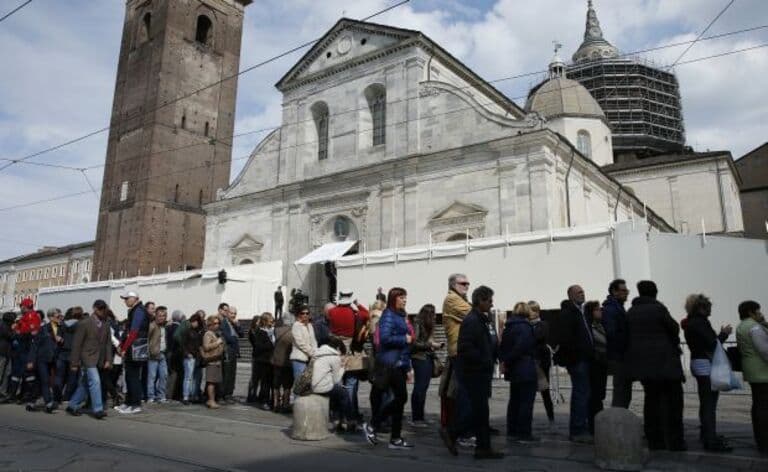
Farey also made a good argument by mentioning how the Shroud of Turin has been on display for centuries all around the world. It’s only natural that you’ve been exposed to the elements. It may appear that the shroud did not originate in the United States, but there are numerous alternative explanations.
It’s Been On Display For Quite Some Time
The Indian DNA
He may believe that the Shroud of Turin is a fabrication, but he is not totally convinced. Farey has suggested that the Indian DNA sample may have come from an earlier study. For the sake of background, it was also subjected to scientific investigation in the twentieth century.
The Indian DNA
Keep An Open Mind For Now
What will it take to persuade Farey? Scientists, he claims, need to conduct tests on the flaxseed that made up the piece of linen. This is still a work in progress. “The proper thing to do at the moment is to keep an open mind,” he insisted. That appears to be a nice idea.
Keep An Open Mind For Now
With New Technology
In the end, it may be resolved using more advanced scientific approaches. Geologists now have the ability to pinpoint the origins of rock. There is a good likelihood that we will get a more concrete answer soon. However, the shroud is not the only theological enigma.
With New Technology
A Place Called Silwan
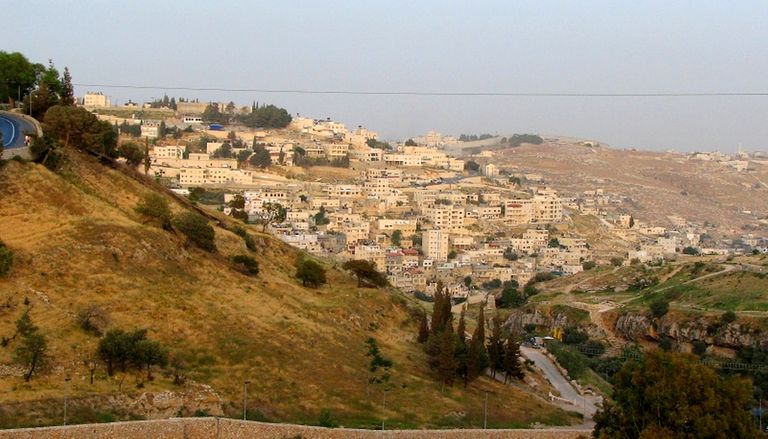
Do you want to learn about other biblical discoveries? For one thing, there’s Silwan. It’s a neighborhood in Jerusalem’s Old City. In 2004, sewage workers accidently uncovered a relic of ancient history while working in a potato field. They discovered a treasure trove that had not been investigated in a very long time.
A Place Called Silwan
Back In The Day
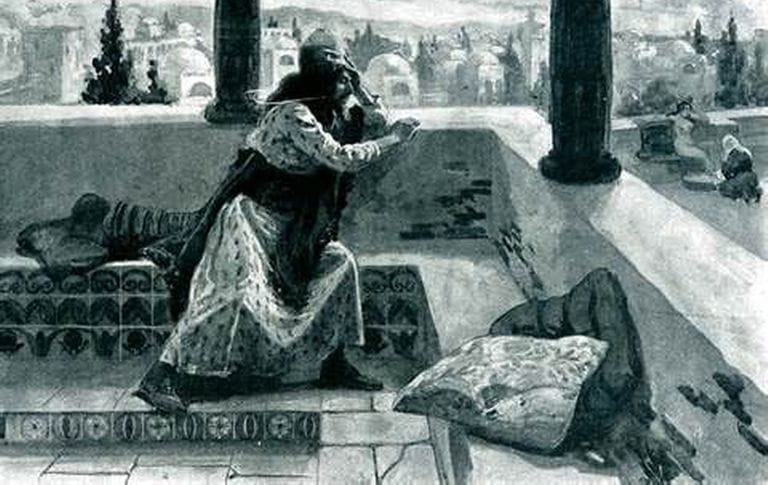
Silwan was once more than just a suburb outside of Jerusalem. For this one, we’ll have to go all the way back to 516 B.C. It was a religiously active community at the time. However, there was more to it than its location on the map.
Back In The Day
The Pool Of Siloam
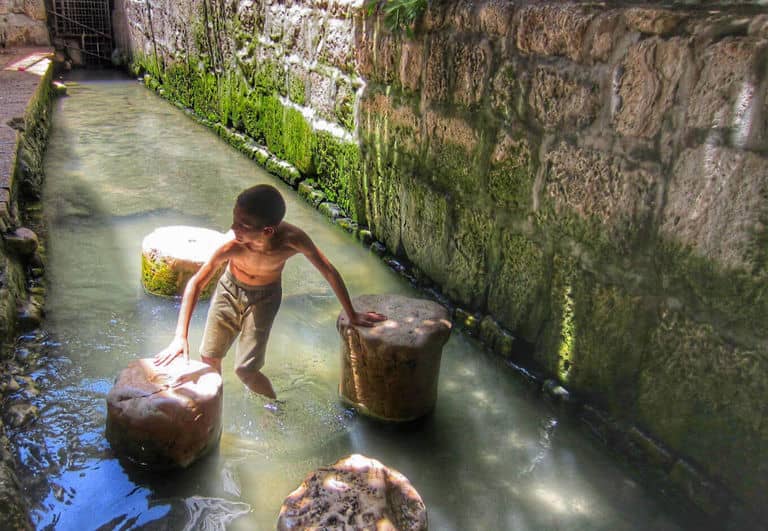
A Jew in the midst of a religious awakening would go to Silwan back then. This is the location of the Pool of Siloam. Before traveling to the Temple Mount, they would come here for ritual cleaning. This is fascinating to hear, but there is another reason why this site is so vital.
The Pool Of Siloam
Its Long And Rich History
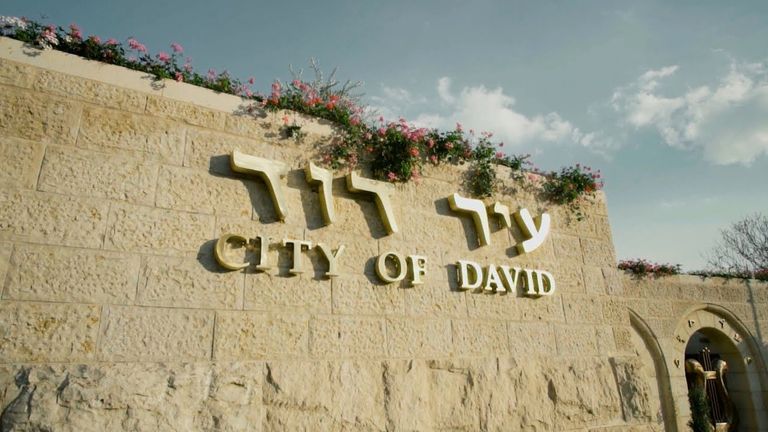
There was a period when Silwan was also home to the City of David! Without a doubt, the location has a fascinating and deep history. Previously known as Jebus, this was the home of the Jebusites. Before David, the Israelite King, conquered the city, it was inhabited by the Canaanite tribe.
Its Long And Rich History
The Story Of King David
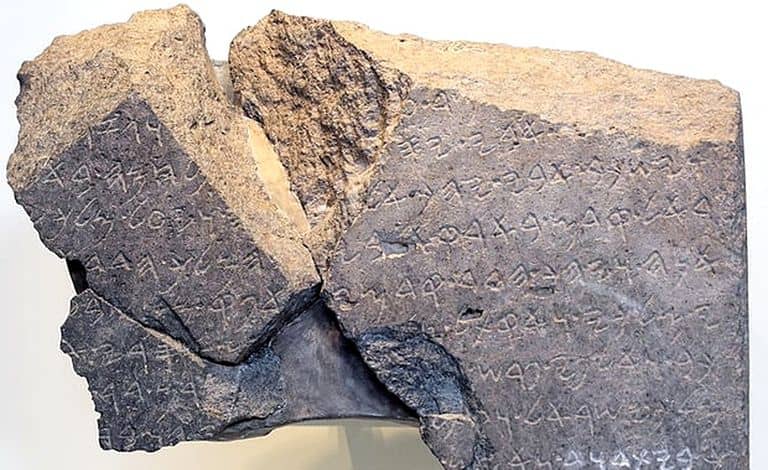
The truth is that there isn’t much evidence of his existence. However, there are sources that back it up. He is mentioned in the Bible and appears on a number of stone tablets. The history of the King of the Israelites is mostly based on these two sources.
The Story Of King David
Up Against Goliath
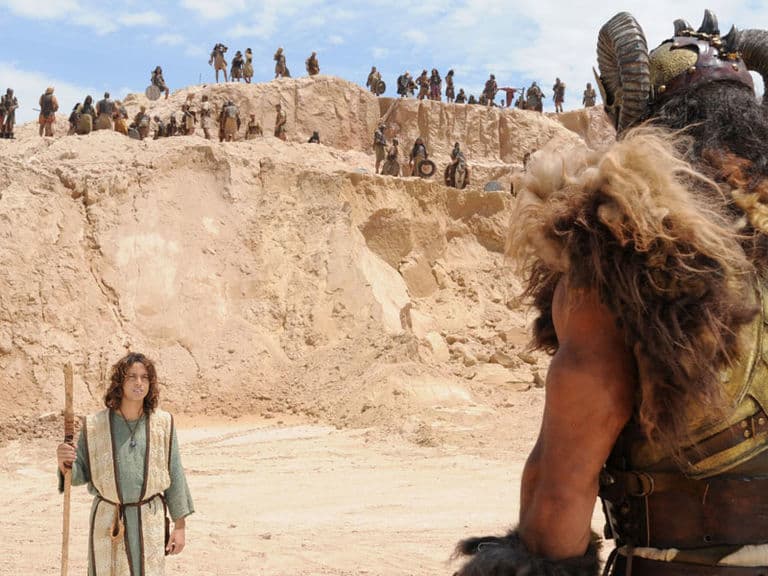
David, in actuality, was not always such a powerful figure. In fact, he only became military leader after defeating Goliath with a slingshot. Only then did he receive the title of King David. When he declared victory over Jerusalem, it became the Israelite capital.
Up Against Goliath
The City Of David
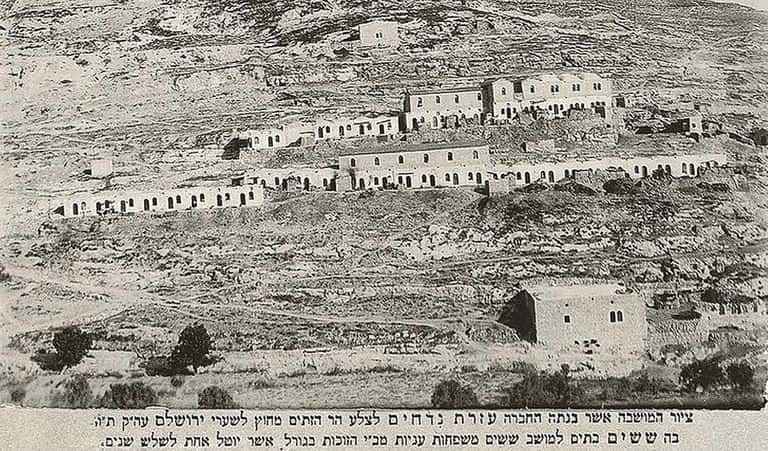
As you may be aware, Jerusalem later became known as the City of David. For four decades, he ruled as King of the Israelites. This is when Jerusalem and Silwan gained a lot of their historical significance. It goes without saying that they are fantastic places to visit if you are a history enthusiast.
The City Of David
A Treasure Trove For Archaeologists
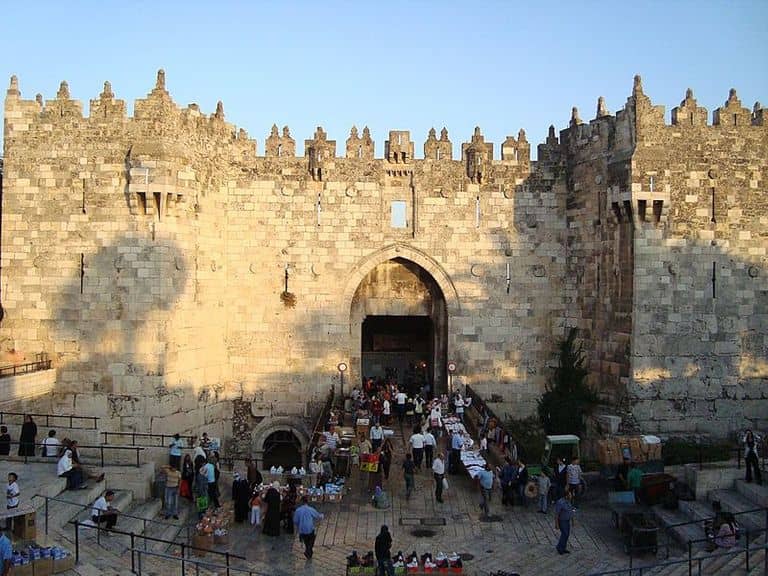
Archaeologists will find both Jerusalem and Silwan to be treasure troves. The area is teeming with things to see and do. Many of them have been around for millennia. There’s only one issue here. Of course, these cities have been pulled down and rebuilt from the ground numerous times over the years.
A Treasure Trove For Archaeologists
During The Takeover
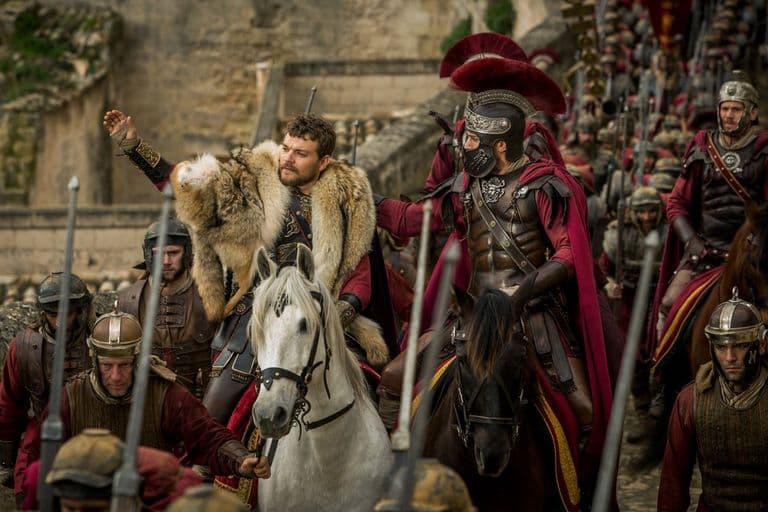
When the Romans conquered Jerusalem in 64 B.C., a lot of things changed. They then built a new city and buried the sacred sites that the Israelites had built back then. The historic sites were formerly thought to be extinct. However, in 2004, the tide began to turn.
During The Takeover
Not Just A Burst Pipe
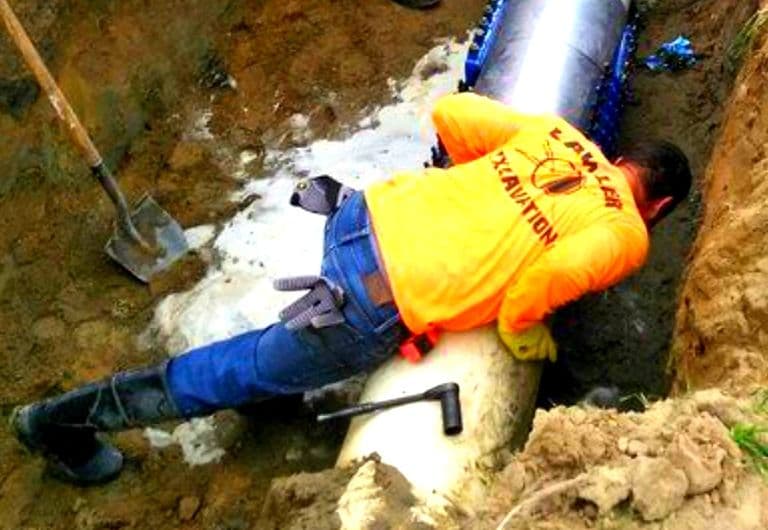
If it hasn’t yet occurred to you, that was the year that the workers went down to repair a burst pipe. They had no idea what they were in for down there. When the team discovered what was down there, they felt it was time to leave it alone and entrust it to the specialists.
Not Just A Burst Pipe
The Carvings On The Wall
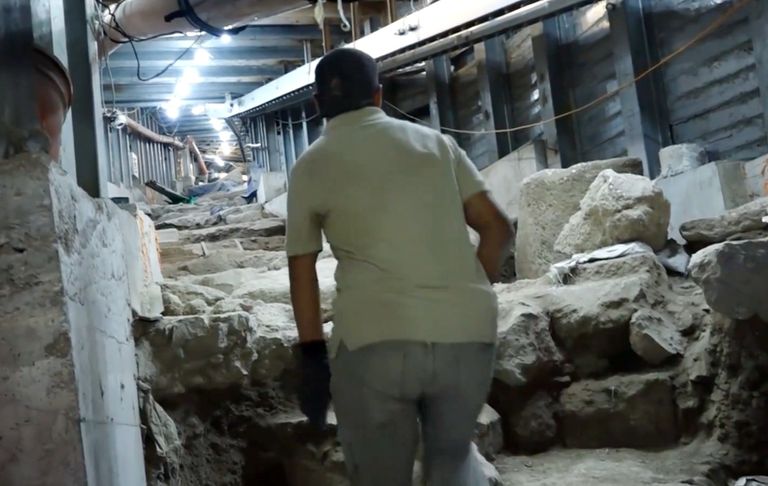
The workers discovered something that dates back to the Roman occupation of Jerusalem. In addition to the pipe, the team uncovered strange drawings on the stone that surrounds it. They were able to tell that the engravings were not created by nature. No, they appeared to be man-made instead.
The Carvings On The Wall
They Went Down There
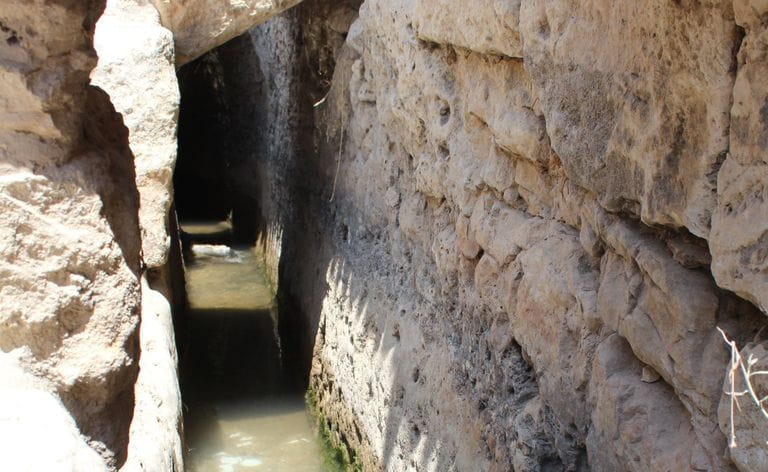
A closer examination of these carvings revealed that they were, in fact, steps! When archaeologists discovered that it was an antique staircase, the workmen couldn’t hide their surprise. They had a lot of inquiries, but the most important one was about the ship’s destination.
They Went Down There
Aside From The Stairs
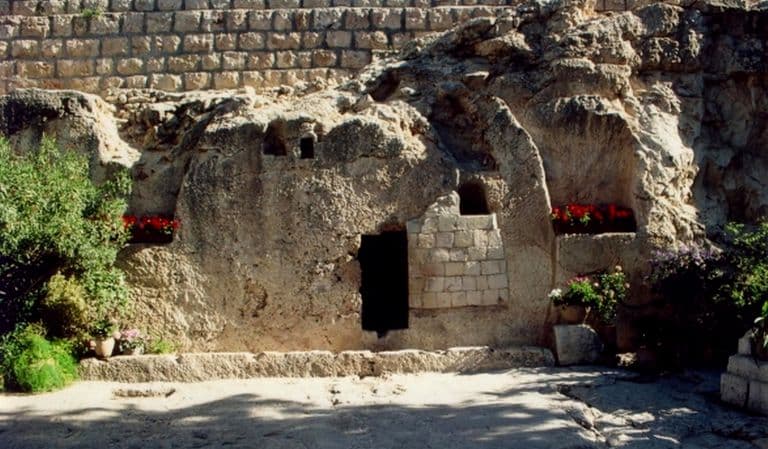
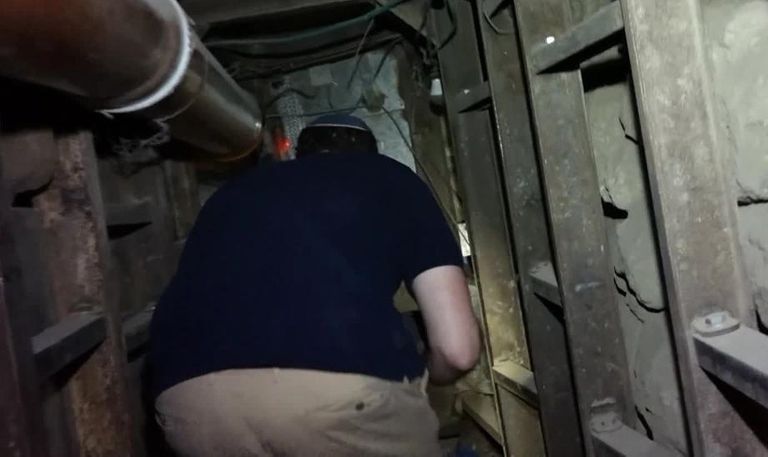
The staircase was not the only discovery made by the archaeologists and workmen in Silwan. They discovered that the steps lead to an important sacred place once they recognized the significance of the situation. In fact, it could be the most important one in Silwan. It had been buried beneath the ground for a long time.
Aside From The Stairs
The Second Temple
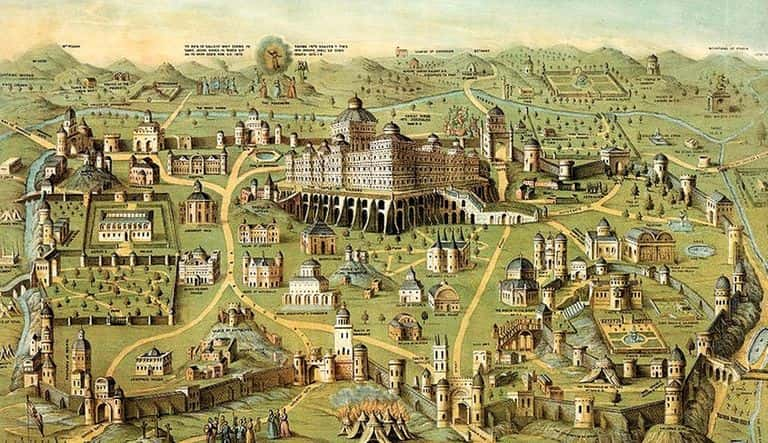
There were two temples down there once. The original one had been built by King David’s son. In 586 B.C., the First Temple was destroyed. The Second Temple, on the other hand, remained there until A.D. 70. At the time, a specific adversary had taken control of both Jerusalem and Silwan.
The Second Temple
More Relics Lying In Wait
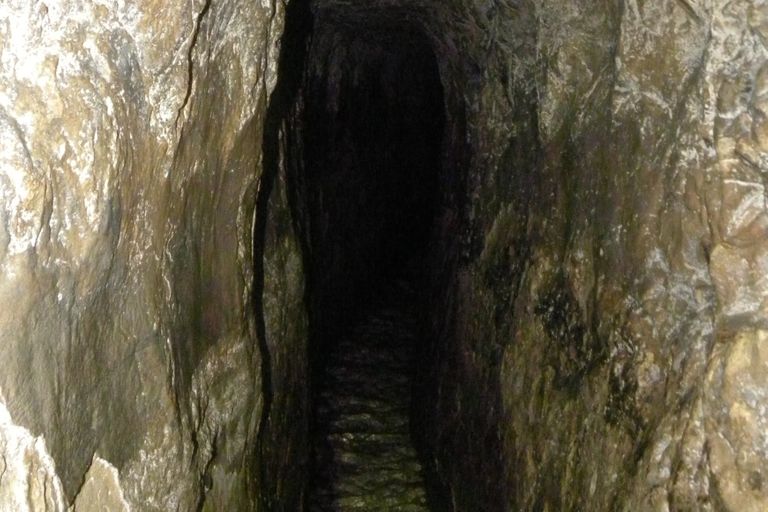
Yes, we are discussing the Romans. The laborers stumbled onto the Second Temple by chance in 2004. It was the one lying near to the stairwell. The staircase was not the only thing waiting for them down there. But what additional artifacts did they discover on the site?
More Relics Lying In Wait
For The Longest Time
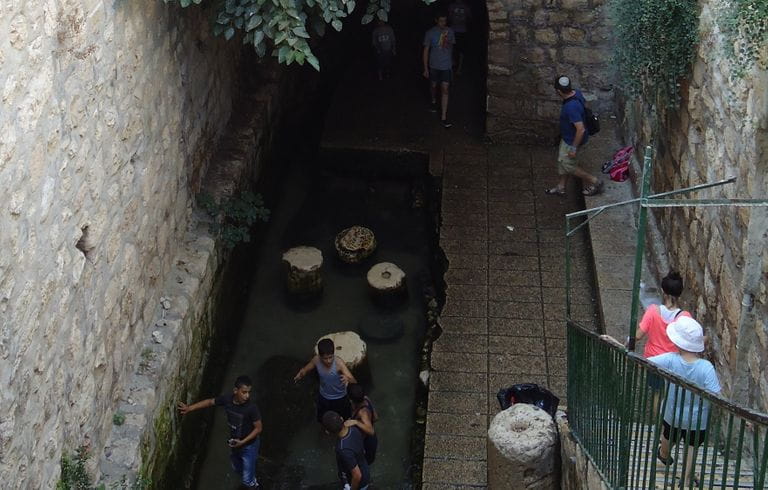
The aforementioned staircase led to the Pool of Siloam. It is the hallowed pool where Jews used to wash their hands before proceeding to the Temple Mount. Can you realize it’s been down there for nearly two millennia? More importantly, it enabled experts to make ever-more significant discoveries.
For The Longest Time
An Ancient Roadway
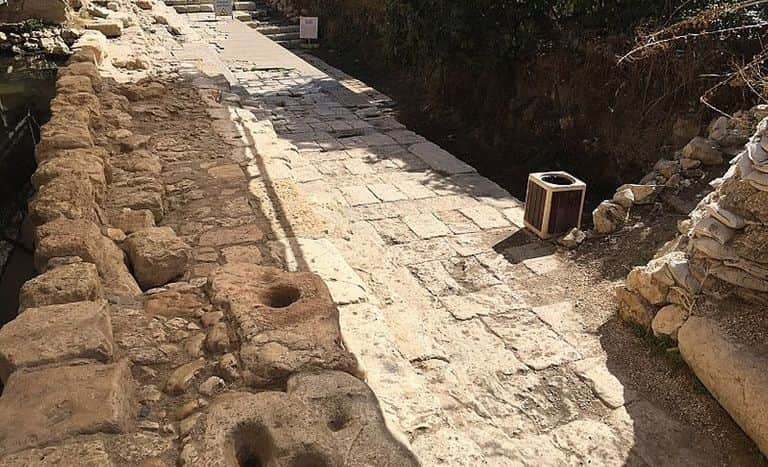
Archaeologists and scholars have discovered far more than the pool and stairs near the Second Temple during the 2004 dig. Aside from that, they discovered an ancient route that connected the pool to the Second Temple. We’re sure they were all ecstatic with this flurry of findings.
An Ancient Roadway
One Surprise After Another
Apart from that, the excavation of the roadway yielded a startling discovery. Isn’t it great that they also discovered the identify of the builder? This road was obviously created by someone. Even yet, the team of archaeologists and historians were caught aback when they discovered the identity of this man.
One Surprise After Another
The Coins They Found
They discovered the identify of the builder at the same time that they discovered something else. For your information, there were approximately a hundred antique coins imbedded in this roadway. The dates on the coins revealed more information than they had anticipated. That’s how they found out who built the road in question.
The Coins They Found
The Israel Antiquities Authority
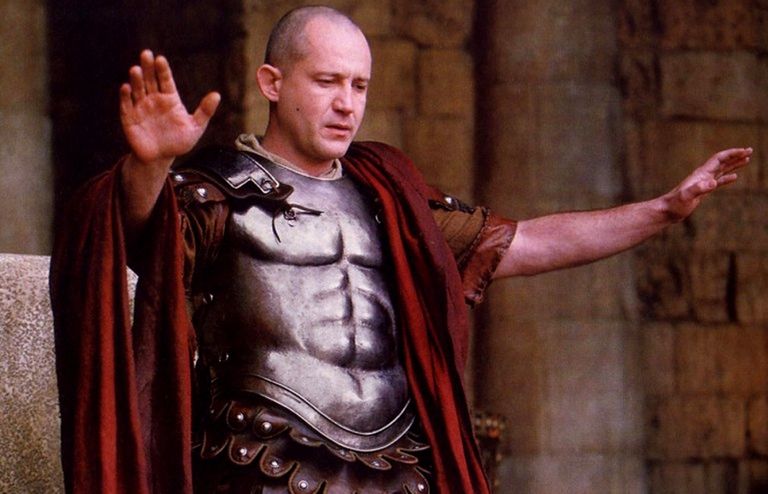
The road was built during Pontius Pilate’s reign, according to the dates on the coin. According to the New Testament, this was the same man who sentenced Jesus Christ to death. Hold your breath before raising an eyebrow. Donald Ariel of the Israel Antiquities Authority explained the reasoning.
The Israel Antiquities Authority
The Time Of Pilate
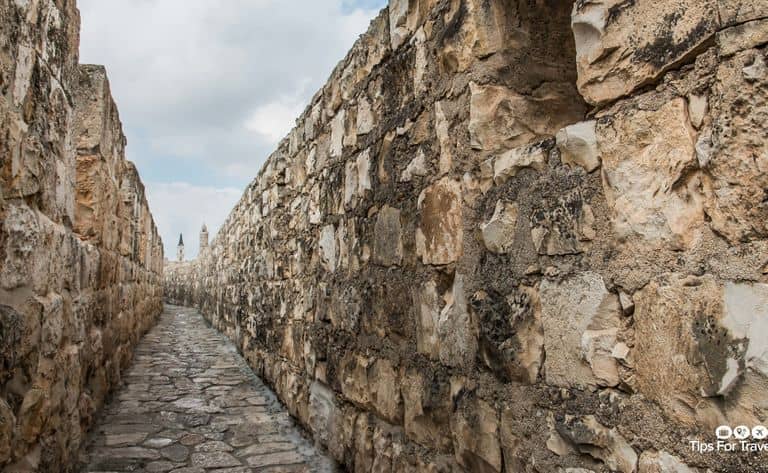
The coins date from 31 A.D. However, the majority of the coins discovered on the site date from A.D. 40 or later. That is why they assumed the road had been built previous to that. Ariel explained that it was constructed prior to A.D. 40, or “only during the time of Pilate.”
The Time Of Pilate
A Pilgrimage Road
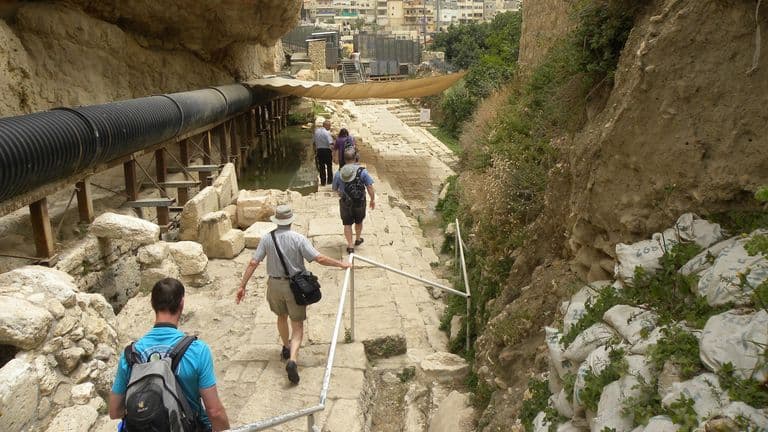
It was a massive find rivaled only by the finding of the stairs. The historic road has now been renamed Pilgrimage Road. They discovered another stairway after digging the site. What could they possibly have learned from this fresh discovery? Let us investigate!
A Pilgrimage Road
In The Future
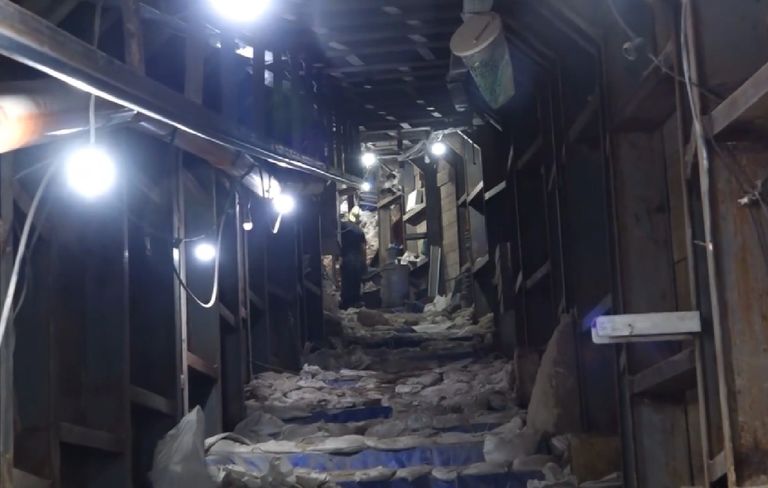
The staircase leading up to the Second Temple was an incredible find. Archaeologists were aware that numerous other items had been buried and were still waiting to be discovered in the City of David. We can’t wait to see what else they discover. Similar historical discoveries are being made in other parts of the world…
In The Future
Farmers Wanted To Access Water
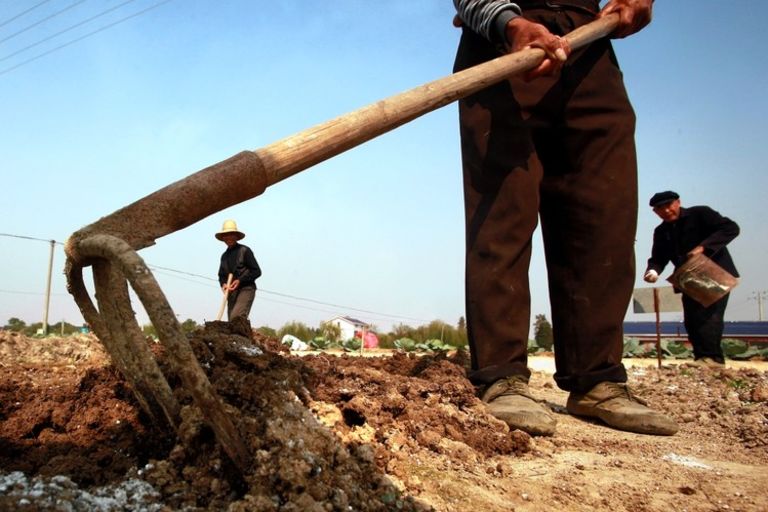
This astonishing finding began on a crisp March day in the highlands of Xi’an, Shaanxi Province, China. A group of farmers began digging a modest well about a mile east of Mount Li in the hopes of tapping into the area’s water reserves. They had no idea what they were getting themselves into!
Farmers Wanted To Access Water
They Started To Dig
As the team continued to labor, they gathered hope as they descended further and deeper. They were more optimistic with each shovel of soil. For a long time, treasure hunters have found the highlands to be a suitable location. They had no idea what they were going to find there…

They Started To Dig
Pieces Of Terracotta
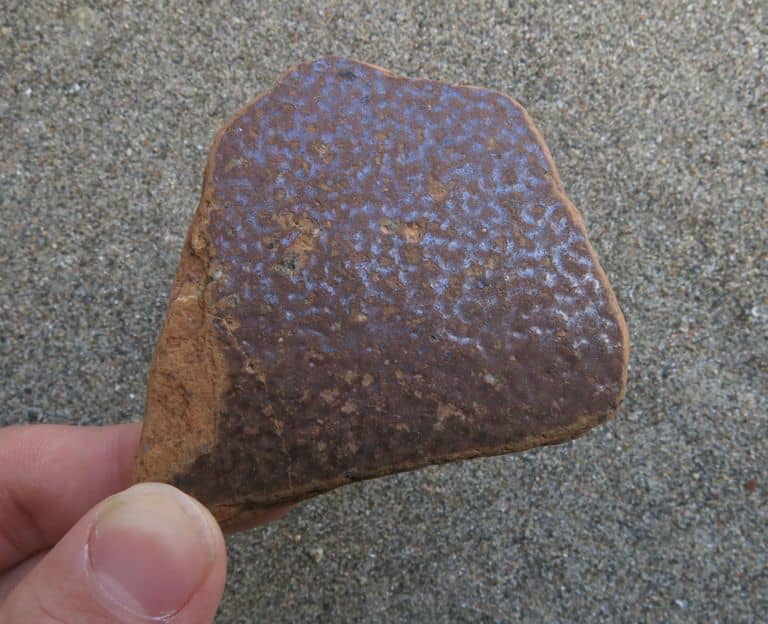
They were not surprised to discover roofing tiles, masonry fragments, and terracotta shards in the area. These objects are fairly frequent in the area. However, in the past, the small bits did not lead to a larger discovery. In fact, it was widely assumed that it was nothing more than an ancient waste dump.
Pieces Of Terracotta
A Buried Man
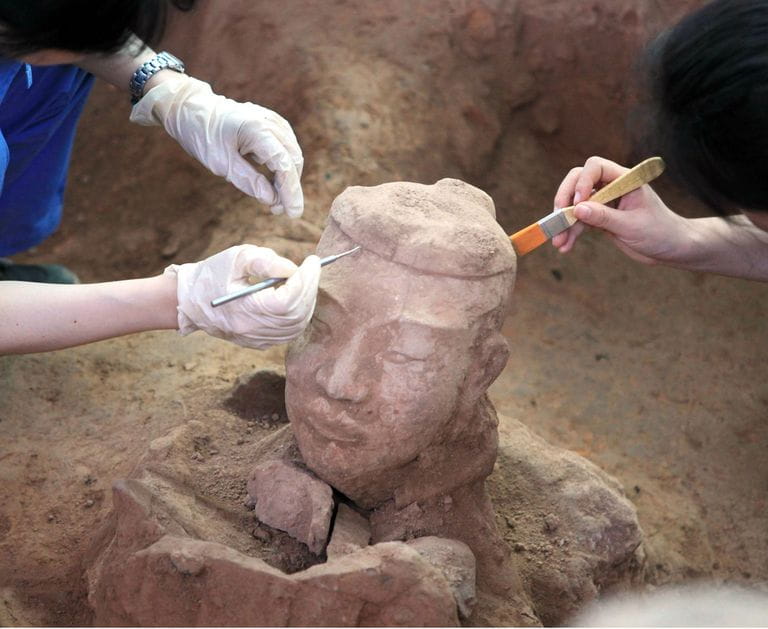
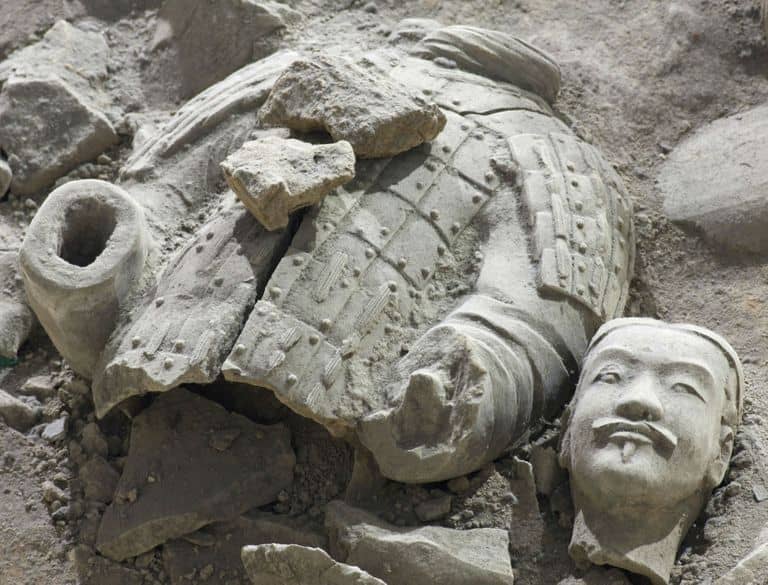
A farmer discovered a stunning treasure a few hours into the digging operation. To his immense amazement, he discovered what appeared to be a guy! The hitch was that it wasn’t a person in the sense that it was made of flesh and bone. No, this man was totally built of clay.
A Buried Man
They Called In The Experts
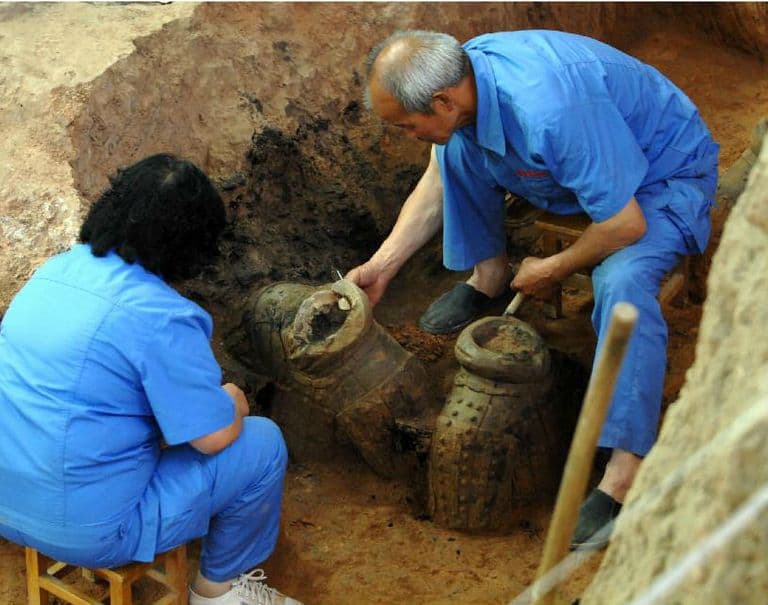
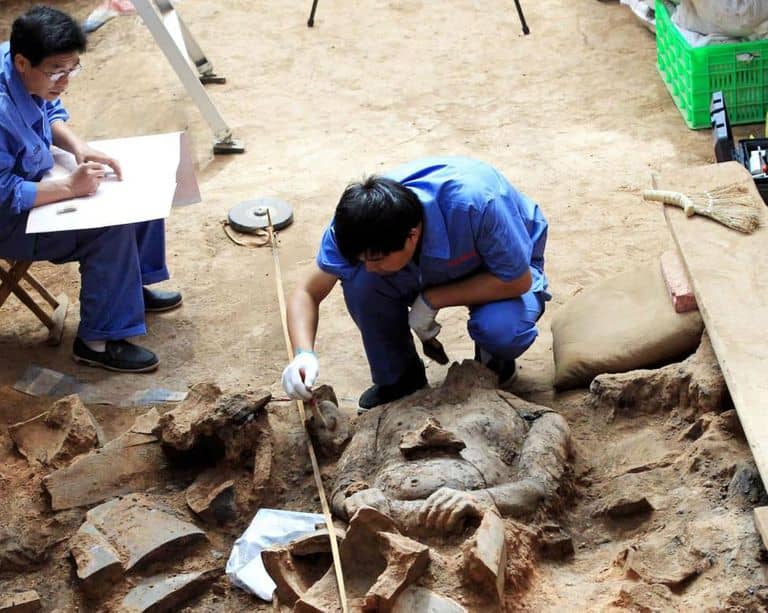
Soon after, archaeologists arrived on the scene to further study the area. To extricate the figure from the soil, a team of professionals cleansed the area around it. By far, this was not the last discovery on the site. They were taken aback when they discovered another terracotta soldier alongside the first.
They Called In The Experts
More To This Than That
They could see there was something more to this than meets the eye. This was not a case of misplaced lawn ornaments. To find out what else was beneath the ground, the team of scientists used ground-penetrating radar. They were astounded by what they discovered.
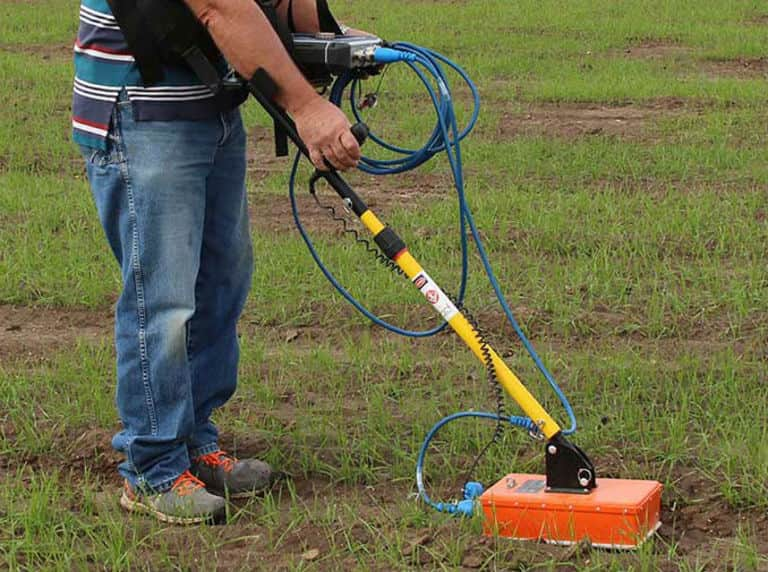
More To This Than That
What The Scan Showed
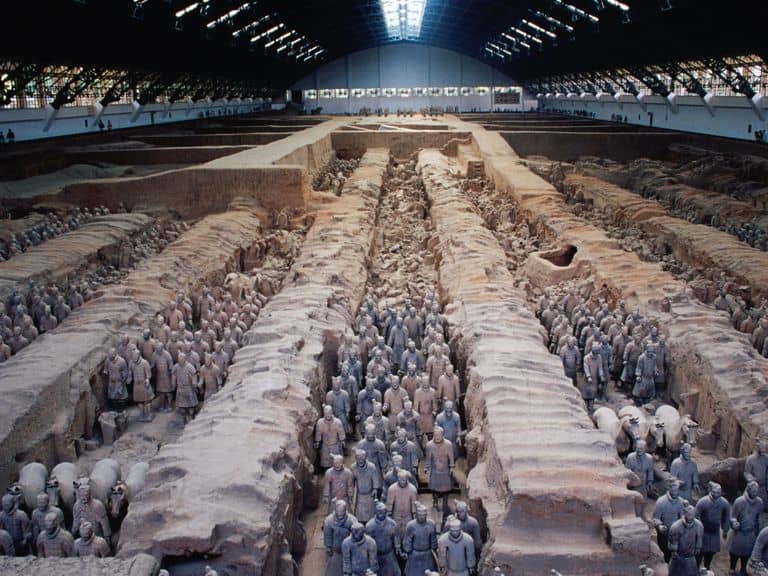
Nobody expected to find over 8,000 figures through the scanning. The figurines were arranged in a tight circle around an underground crypt. It was pointless to speculate on what might be down there. The only way to be certain was to go down there and dig!
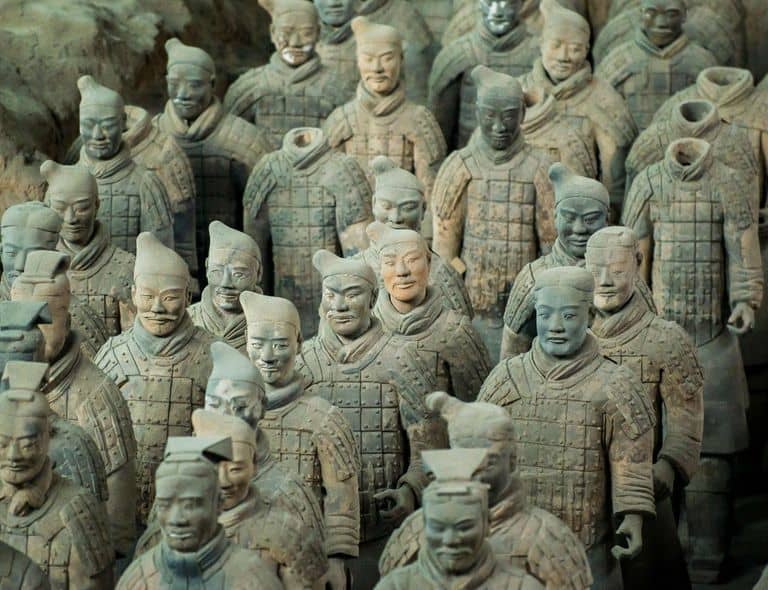
What The Scan Showed
The Excavation Results
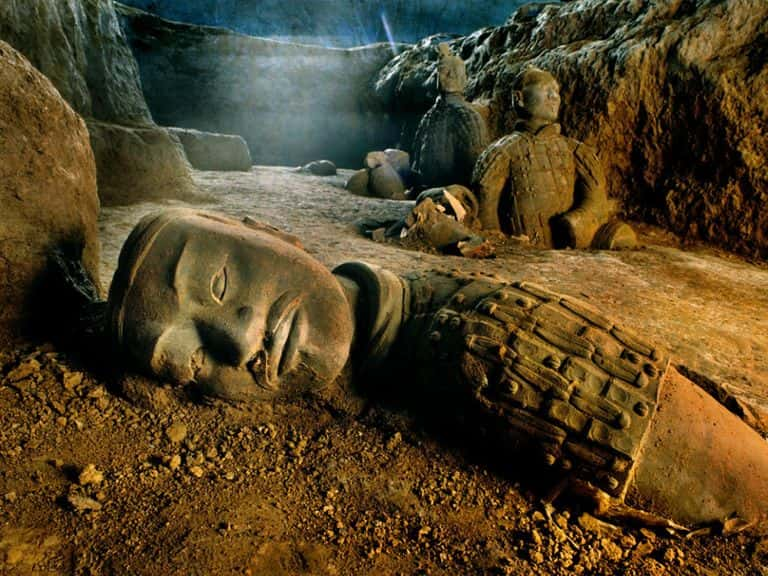
This prompted a major operation. Hundreds of workmen were dispatched to the area in order to unearth the army of terracotta soldiers. They discovered the terracotta guys after working on the earth. These statues could be released from the earth for the first time in hundreds of years.
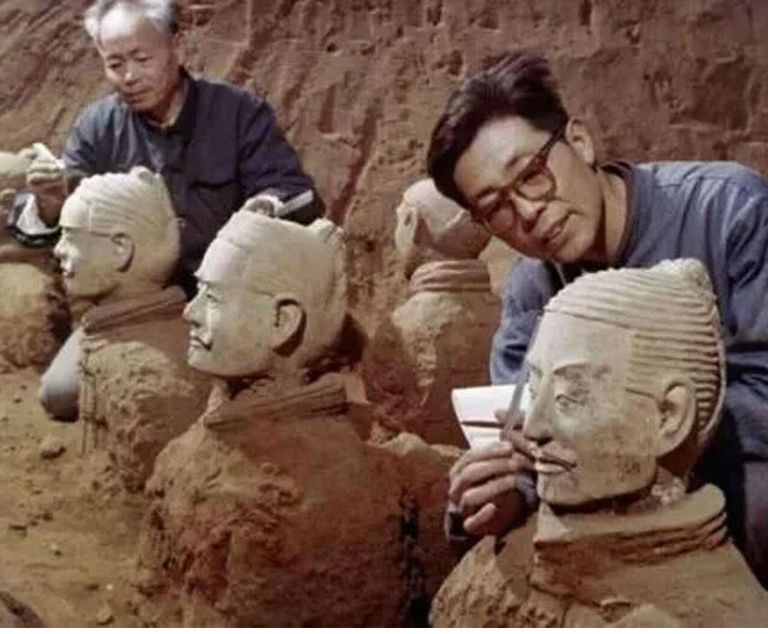
The Excavation Results
Not Just Soldiers
The monuments, however, were not confined to troops. There were also non-human figurines. Among other things, the specialists discovered hundreds of ceramic animals. For example, they discovered birds and horses in the dirt. Over 500 working horses were used to pull over 150 full-size chariots.
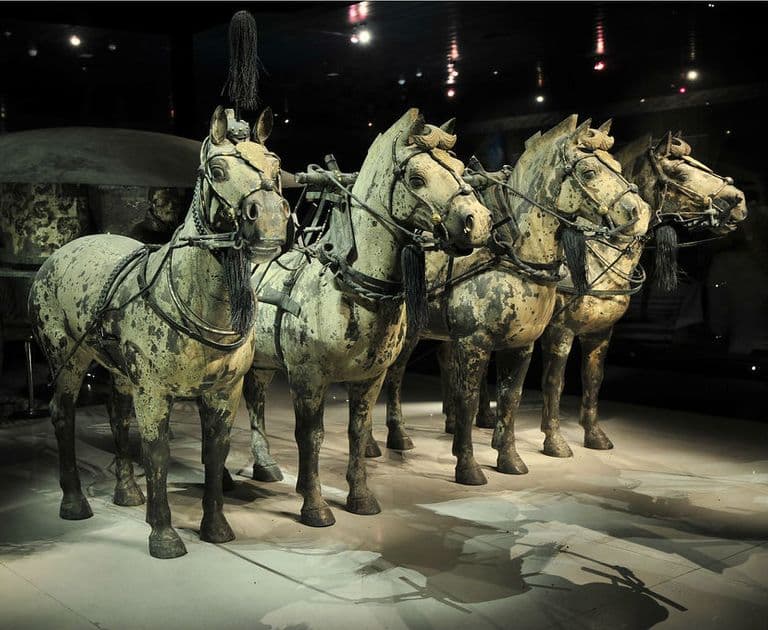
Not Just Soldiers
There Were Also Laypeople
They weren’t merely warriors, when it came to the human statues. Among the cache were people such as acrobats, musicians, and strongmen. This was unlike anything they had ever seen before. Everyone was perplexed as to what the terracotta army was doing down there.
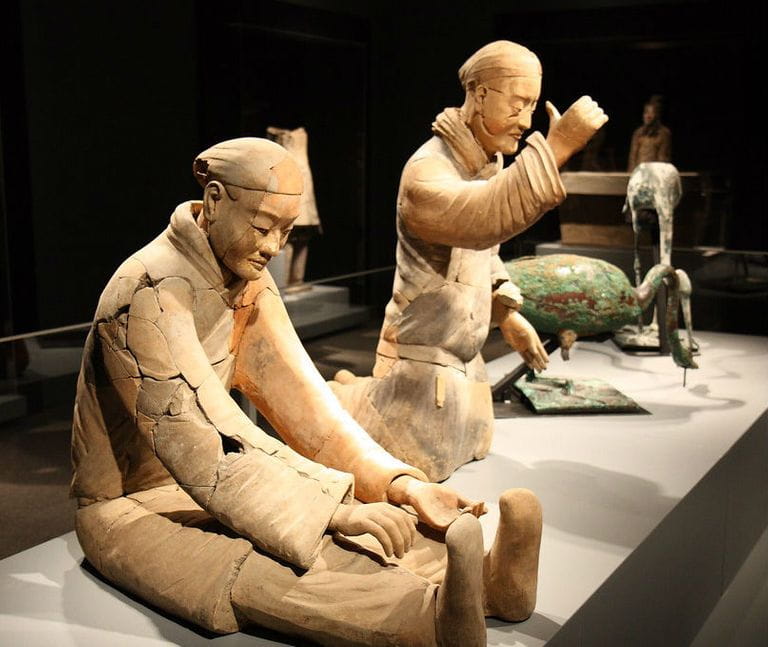
There Were Also Laypeople
The Records Of The Grand Historian
For solutions, scholars went to Sima Qian, a historian. “Shiji,” or “The Records of the Grand Historian,” holds the key to solving the enigma. This ancient literature was written in the year 94 BCE. It had stories about Qin Shi Huang, the first Chinese ruler, among other things.
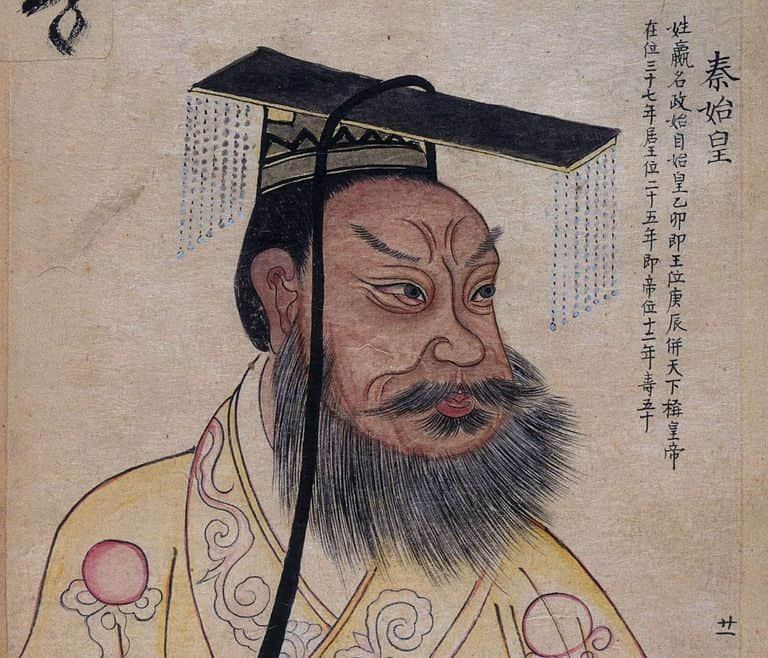
The Records Of The Grand Historian
When He Took Over The Throne
Qin Shi Huang rose to the throne at the age of 13. He then began construction of a massive mausoleum that would serve as both his last resting place and a testimony to his own power. As usual, not everyone was thrilled with the new monarch. Even back then, political confrontation was unavoidable.
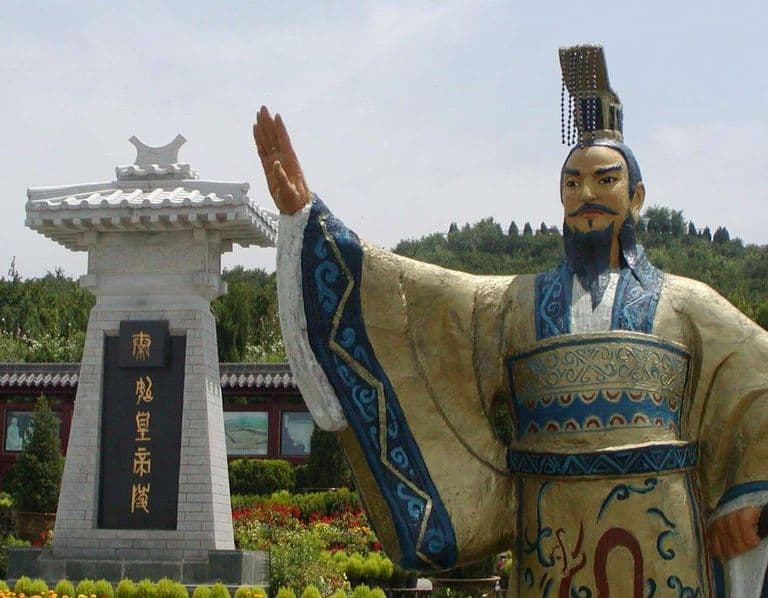
When He Took Over The Throne
The Warring States
Qin Shi Huang may be credited with bringing the warring nations together, but it was not a pleasant process. In reality, it entailed conquering and slaughter. You’d think he’d be able to rest easily when his enemies died, but he was afraid they’d return to seek revenge on him in the next life.
The Warring States
His Grand Mausoleum
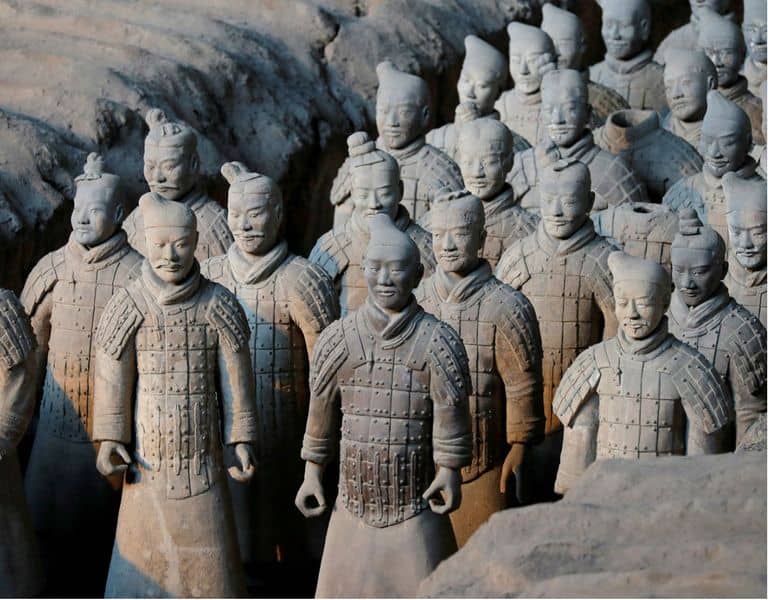
This is why he devised the concept of his tomb. To keep his tomb safe, Qin Shi Huang had local craftsmen create him an entire army of terracotta soldiers. The emperor was buried in 210 BCE. He wasn’t the only one. They did, after all, bury his army of almost 8,000 statues to stand watch!
His Grand Mausoleum
The Buried Soldiers
Of course, the troops weren’t going to be much assistance in keeping him safe. Despite this, the experts were curious to know what kind of valuables were buried alongside Qin Shi Huang. They were well aware of the significance of this discovery. They did, however, stumble into an issue that had serious ramifications for them.
The Buried Soldiers
His Mighty Tomb
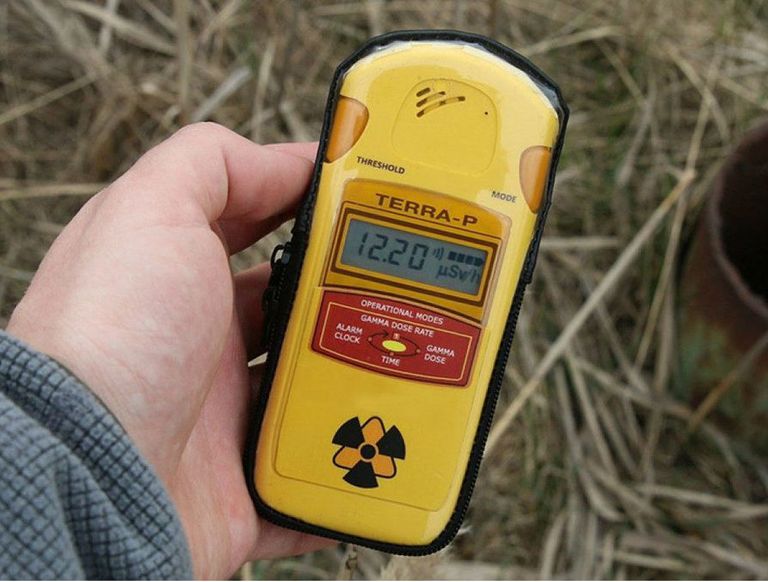
The archaeologists moved closer to the tomb, but they discovered something disturbing. They began to detect excessive levels of radiation! They wondered if the tomb’s architects had left anything else behind to make the resting place safe and secure. You’ll be surprised when you find out the truth!
His Mighty Tomb
During His Lifetime
When Qin Shi Huang was alive, he became obsessed with the concept of an endless life. He was curious as to how he could obtain such a thing. The emperor deployed armies in search of an immortal elixir like this one. Aside from that, the monarch developed a taste for a specific beverage.
During His Lifetime
He Consumed Mercury
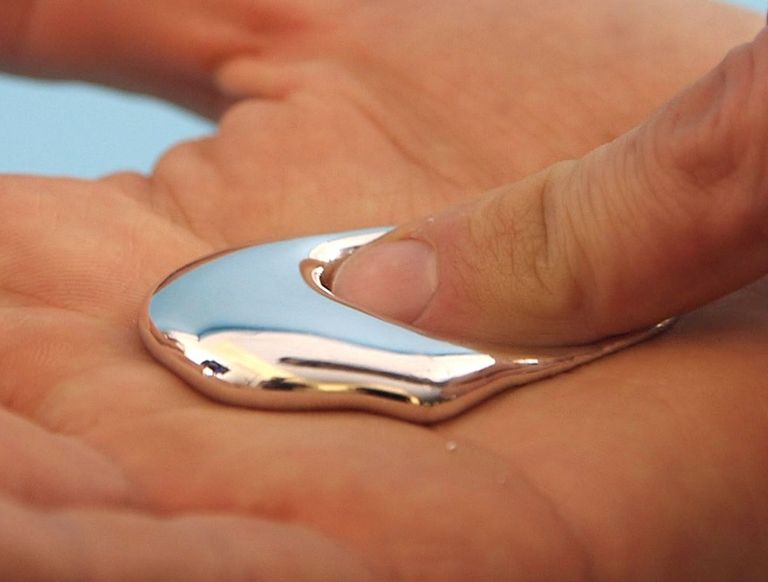
We’re not talking about water here; we’re talking about liquid! Qin Shi Huang believed that this radioactive element would help him keep his youth. This is why he was usually near it and even drank the liquid. Rivers of it flowed through the space when his mausoleum was finished.
He Consumed Mercury
His Early Demise
We have no doubt that his proclivity for mercury had anything to do with his untimely death at the age of 49. Furthermore, it rendered his final resting place extremely radioactive. In reality, the tomb is remains sealed and off-limits to the public to this day.
His Early Demise
It Is Now Open To The Public
The tomb is now open to the public, over five decades after it was excavated. Thousands of people visit the location each year. Despite the fact that the myth of the terracotta soldiers has now gained popularity, the origin of other ancient artifacts has been contested. This is the situation with the Dead Sea Scrolls.
It Is Now Open To The Public
The Dead Sea Scrolls
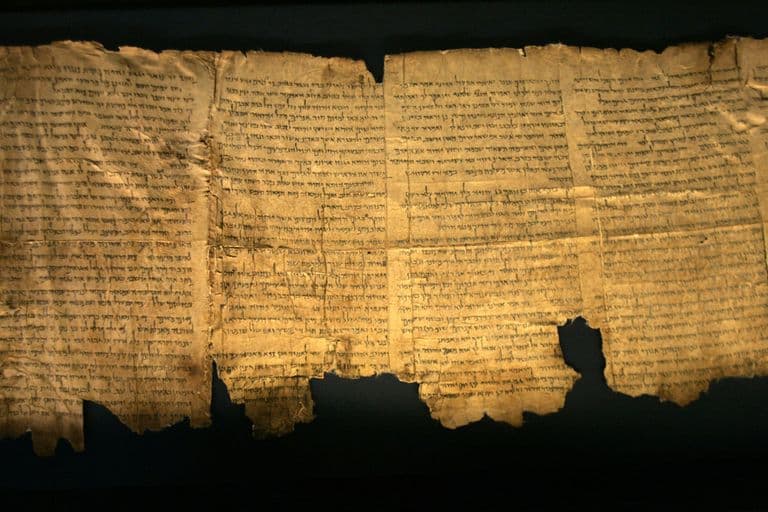
The Dead Sea Scrolls are ancient Jewish manuscripts that have piqued the interest of historians for centuries. To this day, no one knows where it came from. Even while no one is really confident of the specifics, historians and other experts all agree on a few points.
The Dead Sea Scrolls
The Qumran Caves
How did they get there? In the 1940s, the scrolls were discovered in an alcove of the Qumran Caves in the Judean Desert. It was subjected to a chemical study, which enabled experts to discover that the parchment and papyrus scrolls were created between 150 B.C. and 70 A.D.
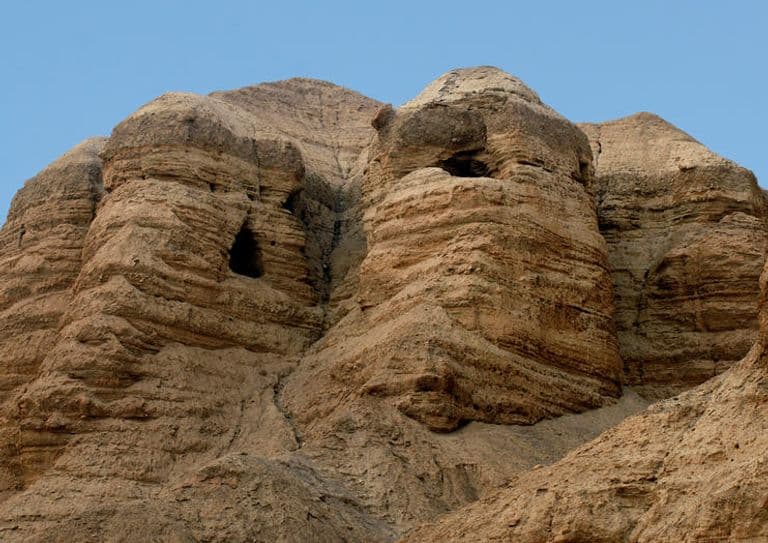
The Qumran Caves
They Were Stunned
When the parchment pieces were discovered, experts were taken aback. The Dead Sea Scrolls are among the oldest biblical writings ever discovered. Furthermore, they were in excellent physical condition for their age. The discovery has drawn visitors from all over the world to the Qumran caves.
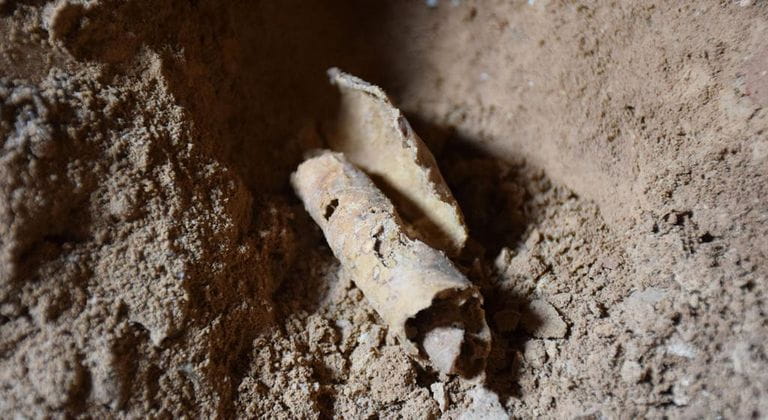
They Were Stunned
Their Historical Importance
People visit the Qumran caves in particular to see the location of one of history’s most historically relevant manuscripts. It enables these tourists to examine the place with their own eyes. It goes without saying that many individuals are curious as to who penned these things in the first place.
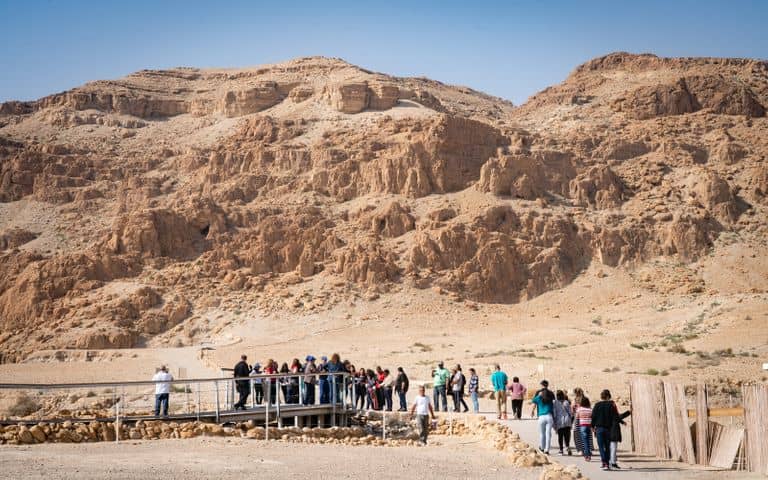
Their Historical Importance
By The Essenes
Many experts believe that the ancient records were produced by the Essenes, a minor Jewish group who existed in the vicinity of the Qumran Caves. Despite the fact that this is a widely held belief, there is one man who is not convinced. His notion could have a significant impact on the mystery.
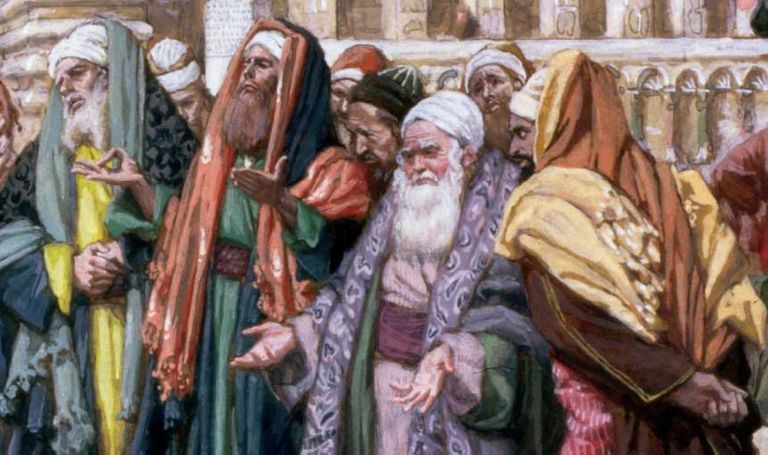
By The Essenes
Not Just One Group
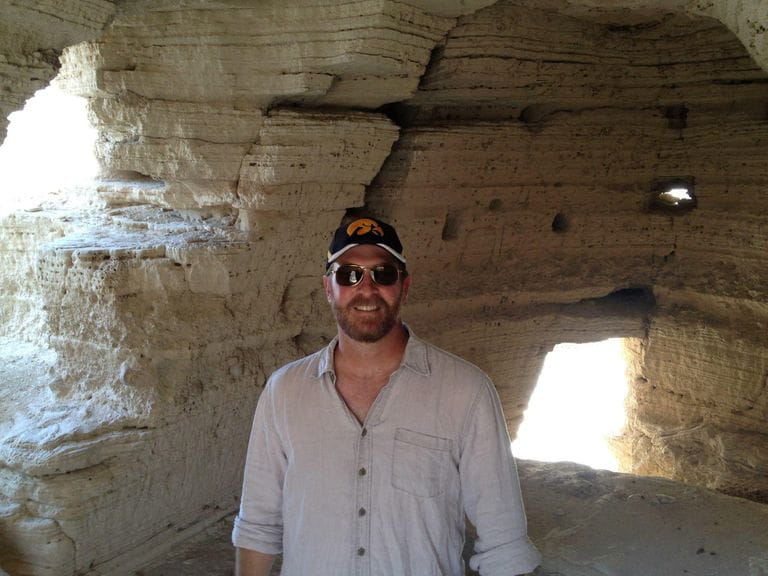
Writing the Dead Sea Scrolls, a National Geographic episode, investigates his theory. Was there truly simply one sect that penned these crucial documents? “Jews wrote the Scrolls, but it may not have been just one specific group,” said archaeologist Robert Cargill in it. It could have been various groups of Jews.”
Not Just One Group
Following The Siege
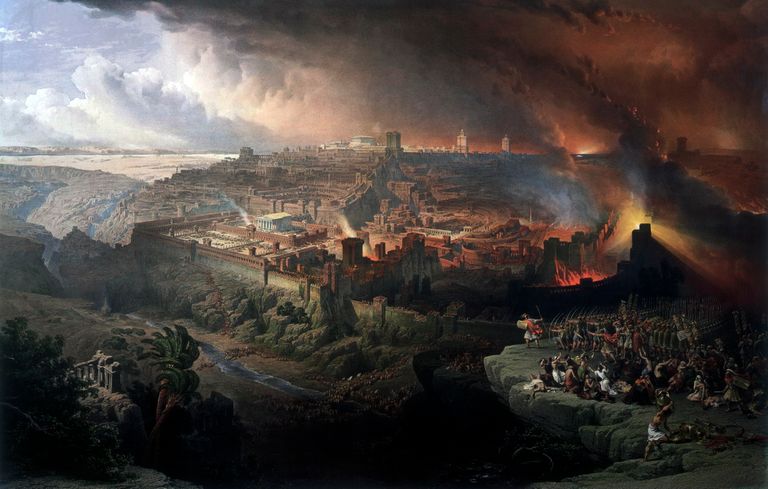
Based on his new research, Cargill has concluded that the Dead Sea Scrolls were written by a different group of authors. According to his view, they fled after the Romans besieged the Temple in Jerusalem. They must have added further information to the documents after fleeing the burning structure. However, some people do not believe it.
Following The Siege